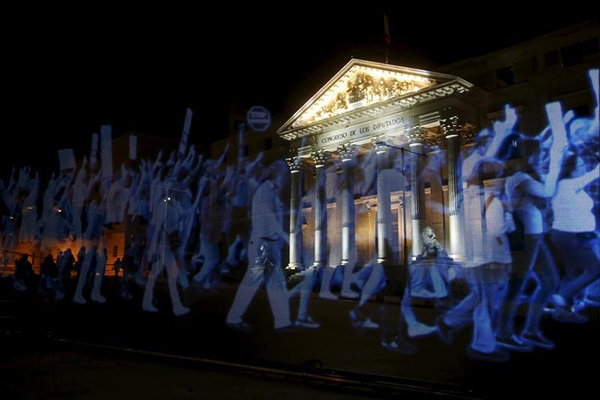
Why Spain’s new gag law is threat to free flow of information
On July 1 a public security law is due to come into force in Spain amid an increasingly vocal chorus of concern among the media and press freedom groups. The bill–dubbed the “ley mordaza,” or “gag law,” by opposition groups–would define protests in front of parliament and other government buildings as a “disturbance of public…


Amid Ebola outbreak, West African governments try to isolate media
On the first Saturday of November 2014, when media owner and broadcaster David Tam Baryoh switched on the mic for his weekly “Monologue” show on independent Citizen FM in Freetown, Sierra Leone, he had no idea that criticizing the government’s handling of Ebola would mean 11 days in jail.
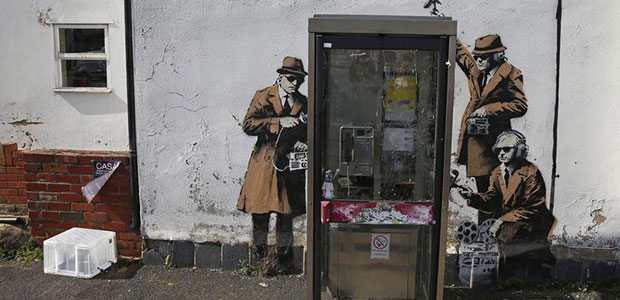
Surveillance forces journalists to think and act like spies
Once upon a time, a journalist never gave up a confidential source. When someone comes forward, anonymously, to inform the public, it’s better to risk time incarcerated than give them up. This ethical responsibility was also a practical and professional necessity. If you promise anonymity, you’re obliged to deliver. If you can’t keep your word,…

Media wars create information vacuum in Ukraine
More than a year after the December 2013 mass attack against journalists at Kiev’s Maidan Square, which coincided with the Ukrainian police’s violent dispersal of protesters rallying against the policies of then-President Viktor Yanukovych, the press in the beleaguered nation continue the battle for survival. The biggest problem remains impunity in attacks against journalists.
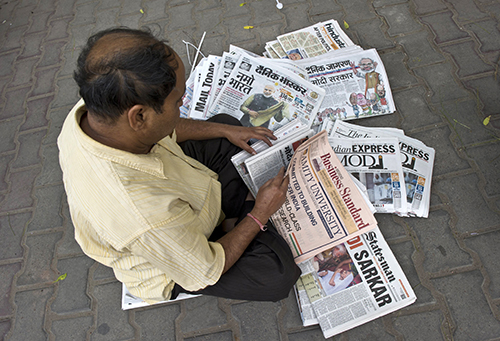
Mission Journal: Challenges for India’s press increase as Modi marks first year in office
“Modi has tightened the screws on information.” This statement from Bangalore-based journalist Subir Ghosh underscores a common challenge repeated to me by several of India’s journalists, who say the space for criticism is shrinking under Narendra Modi’s rule. Since a landslide victory made him leader of the world’s largest democracy nearly one year ago, the…
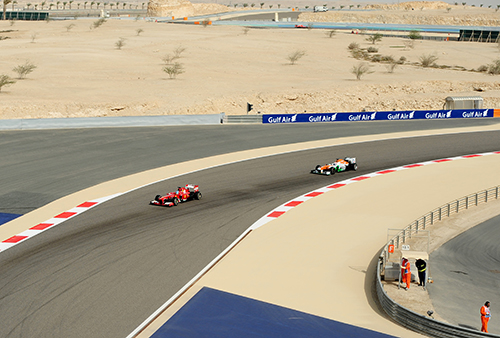
Glitz of Formula One must not divert attention from Bahrain’s jailed journalists
When the Bahrain International Circuit (BIC) hosted Formula One for the first time in 2004, it was nearly a false start for the $150 million facility. Drivers told the BBC they feared desert sand would damage their racecars. So track employees began a perpetual fight against nature, even spraying glue over the surrounding desert in…
Acclaimed journalist Marques de Morais on trial for defamation in Angola
On Tuesday, less than a week after receiving an award for his journalism from the London-based freedom of expression group Index on Censorship, veteran journalist Rafael Marques de Morais will stand trial in Angola on charges of criminal defamation.