
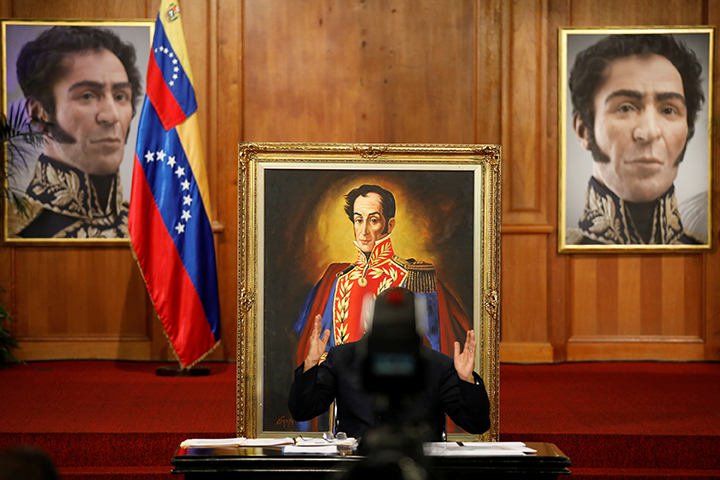
Venezuela Country Safety Page
Updated November 9, 2017 As the political situation in Venezuela continues to deteriorate, journalists covering protests have been routinely targeted, harassed, attacked, and detained. To provide concrete safety information for local and international journalists covering the unrest, CPJ’s Emergencies Response Team is issuing periodic updates on the political situation and the climate for journalists.
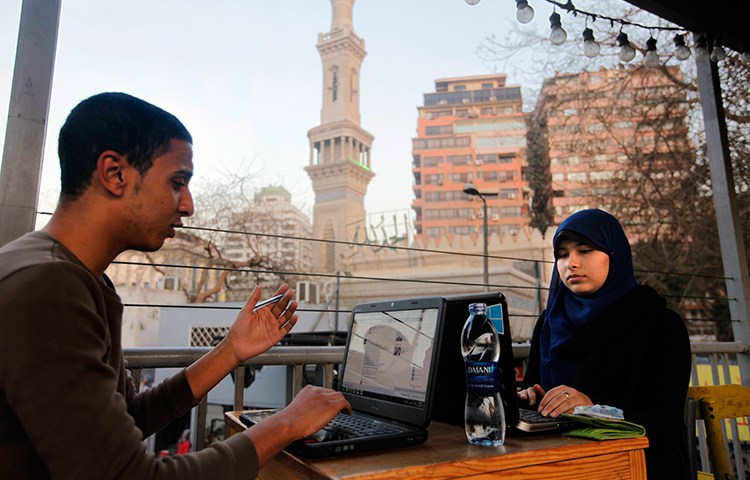
Egyptian human rights group reports 64 websites blocked
Egyptian authorities blocked access to at least 64 websites, including dozens of news websites, between May 24 and June 12, 2017, according to Egyptian human rights group the Association for Freedom of Thought and Expression and news reports. The number was substantially higher than the 21 websites security officials on May 24 told Egypt’s official…
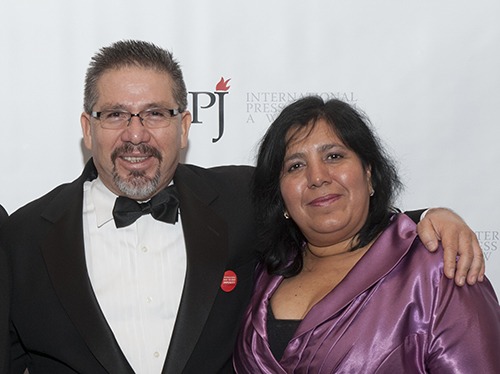
CPJ Highlights: May edition
Days after Mexican president pledges to combat impunity, local journalist killed On May 4, a CPJ delegation visited Mexican President Enrique Peña Nieto as part of a mission to launch a special report, “No Excuse,” which calls on the government to do more to bring those who murder journalists to justice. During the 90-minute meeting,…
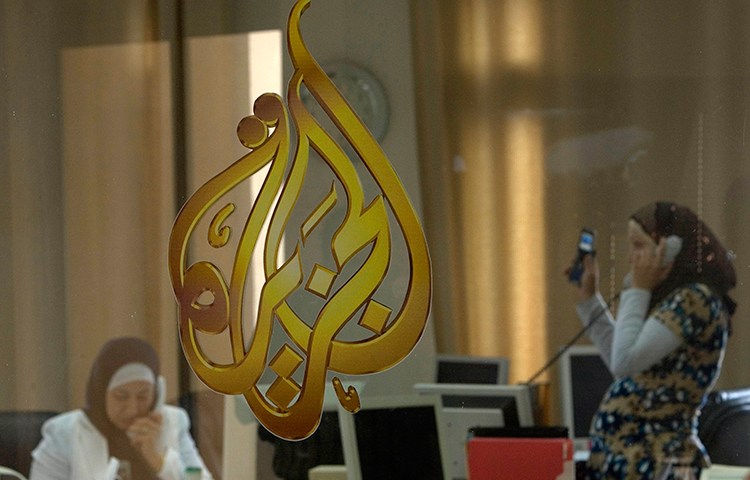
Saudi Arabia, UAE, Bahrain block Qatari news websites
New York, May 25, 2017– Authorities in Saudi Arabia, the United Arab Emirates, and Bahrain should cease blocking access to news websites, the Committee to Protect Journalists said today. Authorities in the allied kingdoms yesterday blocked access to at least eight Qatari-funded news websites, including those of regional broadcaster Al-Jazeera, according to Al-Jazeera, government statements,…
No Excuse
Covering corruption in Mexico means living with impunity By Adela Navarro Bello It is a feeling of frustration that stays with you. Current affairs in Mexico today are dominated by two prevalent issues: corruption and impunity. Every story, breaking news or media report originates from these two issues. And to practice journalism here means to…
No Excuse
Moisés Sánchez: Justice blocked by delays, errors As he was dragged from his home and into a waiting car, José Moisés Sánchez Cerezo pleaded with his attackers, “Please don’t hurt my family.” His wife, who at the time was embracing her two young grandsons, could only gaze in horror as Sánchez, the 49-year-old editor of…
Issa Saharkhiz
Saharkhiz, a prominent Iranian journalist, was arrested on November 2, 2015, for “insulting the Supreme Leader,” and “propaganda against the regime,” his son Mehdi told CPJ. The next day, local media outlets with close ties to Iran’s Revolutionary Guards Corps reported that five local journalists had been arrested for being part of an “infiltration network”…
Willing Accomplice
Collusion by the Turkish media compounds the country’s crisis By Andrew Finkel Turkey’s bloody, failed military coup on July 15, 2016, and the ruthless crackdown that followed are testament to the country’s escalating crisis of democracy. Though the crisis had been developing for years, with journalists and independent media outlets facing intense legal pressures from…