The malware lockdown in Havana and Hanoi
General purpose computers give journalists an incredible amount of power to create, research, and publish their work away from those who may wish to interfere. But such independence requires that the computer itself remain free and uncompromised by software that works against the journalist’s own interests.
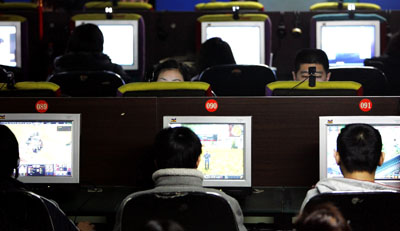
China’s future online policies look a lot like past plans
Monday, in a white paper released by China’s State Council called “The Internet in China,” the government made clear its Internet policies are not changing, stating the obvious: “Laws and regulations clearly prohibit the spread of information that contains content subverting state power, undermining national unity [or] infringing upon national honor and interests.” The State…
Federal forces in Mexico increasingly harass journalists
Dear President Calderón: On Freedom of Expression Day today, the Committee to Protect Journalists is writing to express concern about a series of incidents this year in which federal security forces have attacked and harassed local reporters who cover crime and report on law enforcement operations.
CPJ calls for Thailand to investigate journalist killings
Dear Prime Minister Abhisit: The Committee to Protect Journalists condemns recent violence against journalists in Thailand, including the shooting deaths of two foreign reporters killed while covering news events. We call on your government to launch independent probes into recent attacks and bring the perpetrators to justice.
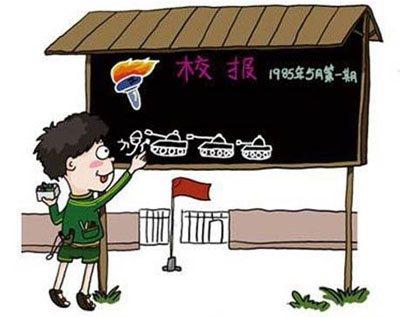
Tank cartoon erased before Tiananmen anniversary
Twenty-one years after the Tiananmen Square crackdown, China’s censors are still working to purge public discourse about the tragic events of June 4, 1989. But some Chinese Web users clearly have a healthy appetite for such a debate and are willing to circumvent the government censors.
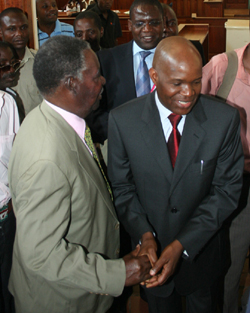
Zambia should halt harassment of The Post, M’membe
New York, June 3, 2010—The Committee to Protect Journalists calls on Zambian President Rupiah Bwezani Banda and his administration to halt the ongoing harassment of the nation’s leading independent newspaper The Post and its award-winning editor Fred M’membe. On Tuesday, a magistrate in the capital, Lusaka, convicted M’membe on a criminal charge of contempt of court and scheduled…
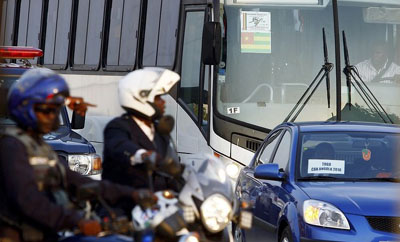
In Angola, censorship shrouds journalist’s killing
On January 8, while Angola was hosting the African Cup of Nations, the country made worldwide headlines after a deadly attack on the Togolese national soccer team, which left a coach and a journalist dead. With international attention turning to the story, a shroud of state censorship and self-censorship by the Angolan media obscured the…