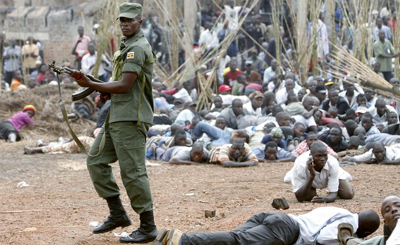
Ugandan photographers take heat after fire at royal tombs
It seemed like déjà vu. Another major protest erupts in Uganda and journalists face the wrath of authorities and the public alike. Tensions between the government and the traditional kingdom of the Baganda, the largest ethnic group based in central Uganda, flared again Tuesday evening after a fire of unknown origin ravaged the tombs of…
Spain must help free Cuban dissidents
Mark Twain once said, “In our country we have those three unspeakably precious things: freedom of speech, freedom of conscience, and the prudence never to practice either.” In the witty genius’ land, the United States, such irony suggests that people should not to waste the opportunities that democracy offers. But in Cuba’s case any humorous…
For bloggers, Cuba remains a dark corner
Another year has passed and we are now remembering the seventh anniversary of the Black Spring. After seven years, have there been any changes? Yes and no. Law 88, a provision calling for the protection of Cuba’s national independence, is still in force. Known as the gag law, it is used to silence Cuban citizens,…
Haiti’s only Creole newspaper is out of business
Haiti’s sole newspaper published exclusively in Creole has disappeared under the rubble of the January 12 earthquake. The Port-au-Prince offices of the monthly Bon Nouvel (Good News) were destroyed, as were the facilities of its La Phalange printing unit, which specialized in the production of Creole-language books and documents.
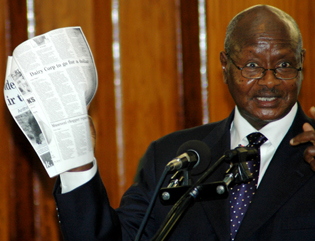
Ugandan plan would punish media for ‘economic sabotage’
Uganda’s anti-homosexuality bill has received considerable international attention, particularly concerning its harsh criminal sanctions, but another piece of repressive legislation threatens to criminalize the activities of another maligned group: the vibrant independent press in this East African nation at the confluence of Africa’s largest lake (Victoria) and the world’s longest river (Nile).

For Haitian media, a big story amid big demands
In the aftermath of the January 12 earthquake, Kerby Joseph stays on the job. He helps gather news for Amikal FM, a radio station that now broadcasts from a tent in the devastated Haitian town of Leogane, where most of the buildings have been damaged or destroyed. But the radio station lacks the money to…
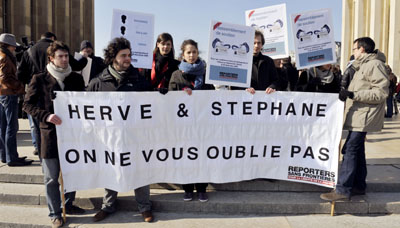
Rallying (hesitantly) for reporters abducted in Afghanistan
What can we do to help liberate our colleagues? French journalists have been struggling with this dilemma since December 30, when two reporters of the public service TV channel France 3 and their three Afghan fixers were abducted by a group purportedly linked to the Taliban in the region of Kapisa, in eastern Afghanistan.
Uzbekistan using ‘experts’ to silence journalists, activists
Having suppressed independent journalism relatively completely in the country, the authoritarian Uzbek regime has now turned to other sectors of society it perceives as threatening to its ideology. State appointed so-called “experts” on undefined Uzbek national traditions are being dispatched on a witch hunt against independent-minded individuals, including a filmmaker and an anti-HIV/AIDS activist. This dangerous policy is in…
Rwanda’s Kagame tries to link bombs to critical press
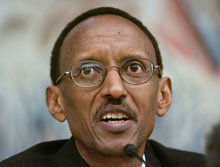
Journalists in Kigali are on tenterhooks after President Paul Kagame, left, made new accusations of their supposed involvement in a bomb attack in Rwanda. Just months before Rwanda’s presidential elections, Kigali was recently hit by two grenade attacks that killed two people and injured 30 others, according to news reports.