
At Bayeux, war correspondents stress duty to report
Syria and Libya were the main themes at the 19th edition of the Bayeux-Calvados Prize for War Correspondents, which took place this weekend in the historical city of Bayeux, a few miles away from the Normandy beaches where Allied forces landed in June 1944 to liberate Europe from the Nazi yoke.

Syria, Somalia, Bahrain–where fathers bury their sons
The 17-year-old videographer Anas al-Tarsha regularly filmed clashes and military movements in the city of Homs in Syria, and posted the footage on YouTube. On February 24, he was killed by a mortar round while filming the bombardment of the city’s Qarabees district, according to news reports. The central city had been under attack for…
Weak cyber protections lead to personal, institutional risk
The Syrian civil war is also a propaganda war. With the Assad regime and the rebels both attempting to assure their supporters and the world that they are on the brink of victory, how the facts are reported has become central to the struggle. Hackers working in support of Assad loyalists this week decided to…

Don’t get your sources in Syria killed
Because foreign journalists have been virtually banned from Syria during the uprising against Bashar al-Assad’s regime, news coverage has relied heavily on citizen journalists and international reporters working with sources inside the country. Syrians who communicate with foreign news media run the risk of being threatened, detained, tortured, or even killed.
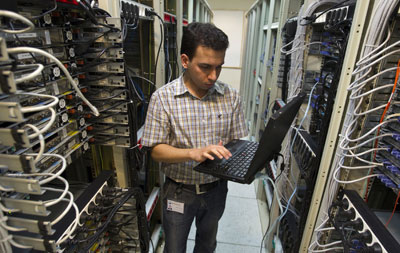
Most censored nations each distort the Net in own way
One big reason for the Internet’s success is its role as a universal standard, interoperable across the world. The data packets that leave your computer in Botswana are the same as those which arrive in Barbados. The same is increasingly true of modern mobile networks. Standards are converging: You can use your phone, access an…

Safer mobile use is key issue for journalists
As the Internet and mobile communications become more integrated into reporters’ work, the digital threats to journalists’ work and safety have increased as well. While many press reports have documented Internet surveillance and censorship–and the efforts to combat them–mobile communications are the new frontline for journalist security.
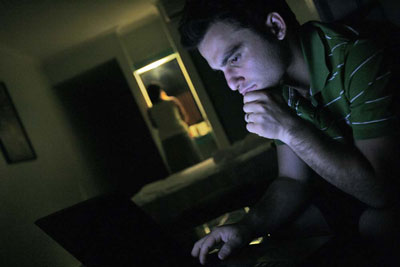
Assisting journalists forced to flee censorship
CPJ’s Journalist Assistance Program supports journalists who cannot be helped by advocacy alone. In 2011, we assisted 171 journalists worldwide. Almost a fourth came from countries that made CPJ’s Most Censored list. Eight journalists from Eritrea, five from Syria, six from Cuba, and a whopping 20 from Iran sought our help after being forced to…

Why journalists need new ways to stay safe
After the Salvadoran online newsmagazine El Faro exposed a secret government deal with criminal gangs last month, its staff faced repercussions that illustrate the new and complicated risks facing journalists worldwide. El Faro’s report, which said the government provided more lenient treatment of imprisoned gangsters in exchange for the groups’ agreement to slow down their…
Syrian cartoonist, attacked in August, returns to drawing
Syrian cartoonist Ali Ferzat is wielding his pen once more. According to news reports, the famous cartoonist, who suffered a severe beating in August, has regained 90 percent of the movement in his hands, which were deliberately targeted by his attackers before they dumped him on the side of a road.