
‘I don’t feel safe now’: Journalists in Ukraine anxious after Babchenko operation
In the week since the Ukrainian security service, the SBU, staged the assassination of Russian journalist Arkady Babchenko, little if any dust stirred up by the elaborate and controversial operation–ostensibly carried out to foil a Russian plot to kill him–has settled.
![The Republic monument in Antalya, Turkey in March 2018. Turkish authorities detained for several hours on May 28 journalist Ali Ergin Demirhan on suspicion that he made "propaganda for a [terrorist] organization," according to reports. (Reuters/Murad Sezer)](https://cpj.org/wp-content/uploads/2018/05/6bb2d89d39b4d7888593db530c31f98d6a6bf6f5.jpg?w=750&h=480&crop=1)
Turkey Crackdown Chronicle: Week of May 28, 2018
Journalist detained Istanbul police on May 28 detained an editor for the leftist news website Sendika, Ali Ergin Demirhan, at the website’s office on suspicion of “making propaganda for a [terrorist] organization,” in relation to the journalist’s work, his employer reported.
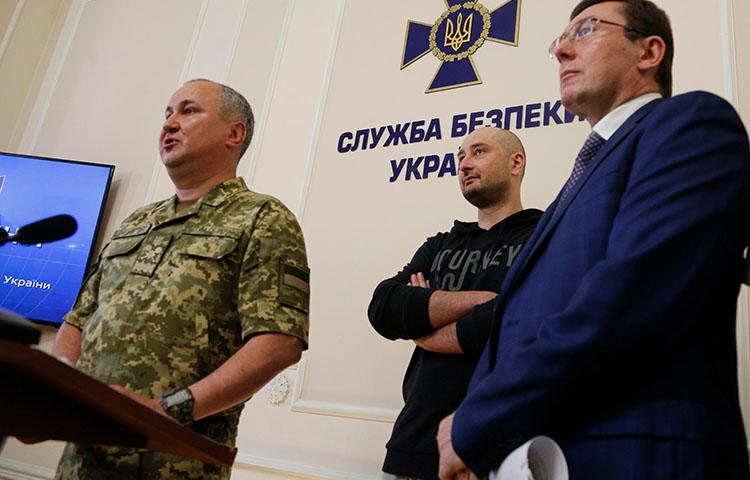
The many questions about Arkady Babchenko’s staged murder in Ukraine
Minutes after news broke that prominent Russian journalist Arkady Babchenko had been murdered in Ukraine, social media exploded with messages mourning the loss of a bright, sometimes-too-outspoken journalist. Friends and colleagues wrote moving obituaries, and groups including CPJ condemned the killing. Impromptu memorials in both Kiev and Moscow sprouted, as they all too often do,…
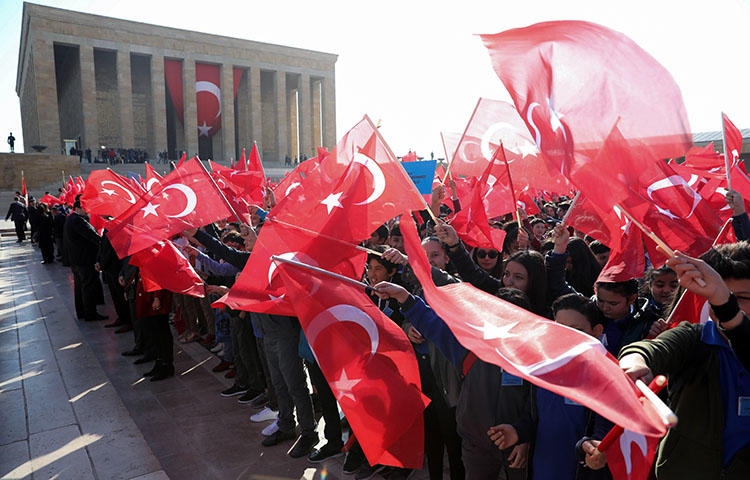
Turkey Crackdown Chronicle: Week of May 21, 2018
Turkey will continue to block Wikipedia During a May 18 press conference, Turkish Transportation, Maritime Affairs, and Communication Minister Ahmet Arslan said that Wikipedia will remain blocked in the country because the website portrays Turkey as a supporter of the Islamic State militant group, the daily Cumhuriyet reported.
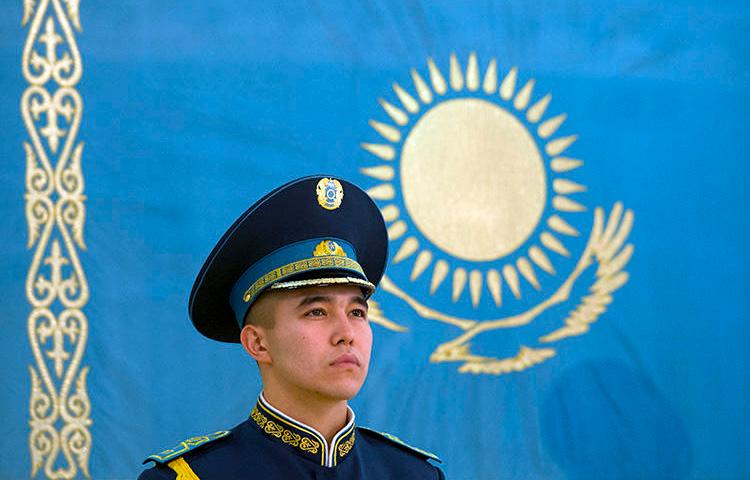
CPJ joins calls for Kazakhstan to revise false news law and drop charges against critical media
The Committee to Protect Journalists today joined a coalition of 25 other international press freedom organizations to call on Kazakh authorities to drop criminal defamation cases against media outlets Forbes Kazakhstan and Ratel and revise the law on dissemination of “false information” often used to silence critical media outlets and journalists.
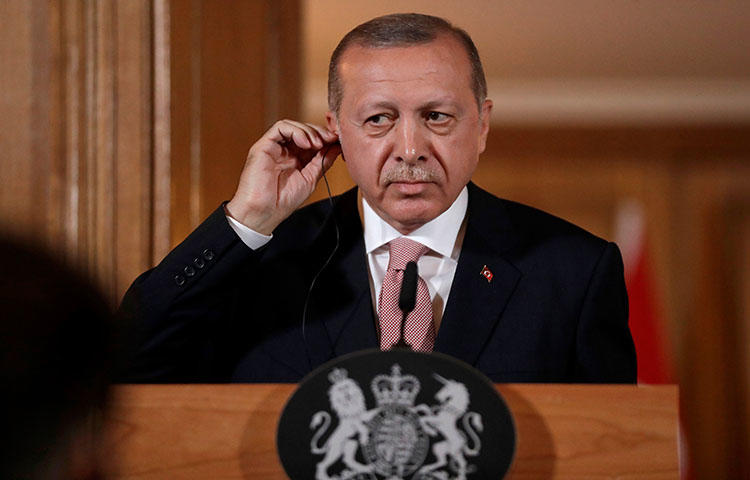
Turkey Crackdown Chronicle: Week of May 14, 2018
Journalists imprisoned Turkish authorities in the western province of Edirne on May 11 transferred Kemal Sancılı, the publisher of the shuttered pro-Kurdish daily Özgür Gündem, to Istanbul’s Silivri Prison, two days after he was detained on suspicion of terrorism-related activities, according to a report from the pro-Kurdish Mezopotamya Agency. —

Covering LGBTQ issues brings risk of threats and retaliation for journalists and their sources
To mark the annual International Day Against Homophobia, Transphobia and Biphobia, CPJ spoke with journalists and news outlets based in Argentina, Iran, Indonesia, the U.S., Uganda, and Russia, about the challenges they face reporting on LGBTQ issues.

CPJ joins calls for Congress to make human rights a focus of Uzbek president’s US visit
The Committee to Protect Journalists joined a coalition of 11 other international press freedom and human rights advocacy groups, in calling on U.S. Congress to require lasting human rights protection in Uzbekistan during President Shavkat Mirziyoyev’s first official visit to the U.S. on May 16 and 17.
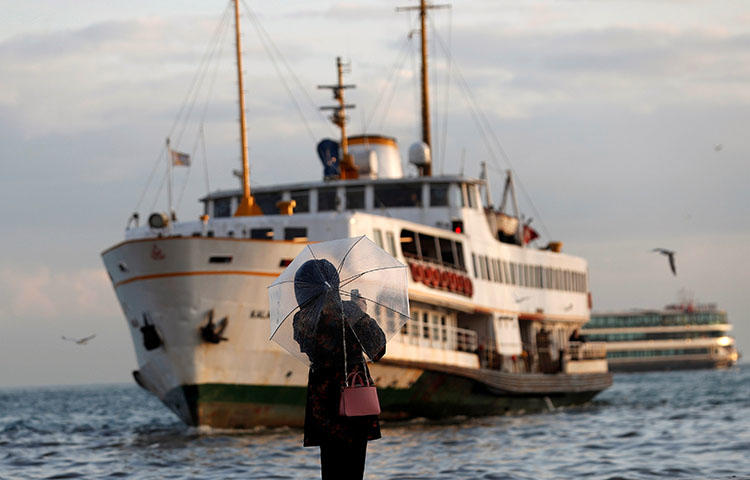
Turkey Crackdown Chronicle: Week of May 7, 2018
Journalists arrested On May 3, authorities in the southern city of Mersin transferred İsmail Çoban, former news editor for the shuttered Kurdish language daily Azadiya Welat, to the southeastern city of Diyarbakır, where he will remain in custody pending trial, according to reports.
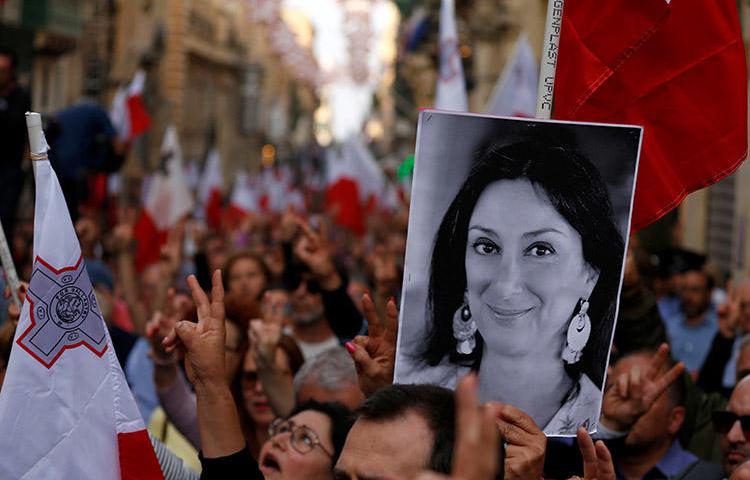
Make solving journalist murders a priority, CPJ tells US Helsinki Commission
“Being a reporter in much of the world is dangerous work. Being an investigative reporter can be deadly,” CPJ Deputy Executive Director Robert Mahoney told the U.S. Commission on Security and Cooperation in Europe, known as the Helsinki Commission, at a briefing in Washington, D.C. today.