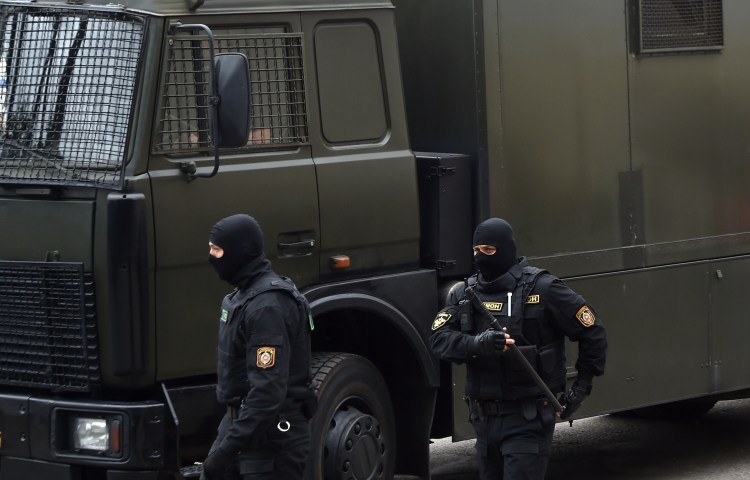
Hospitalized Belarusian journalist Alena Scharbinskaya tells of beatings inside Minsk detention center
Alena Scharbinskaya, a correspondent with the independent satellite broadcaster Belsat TV, was among dozens of journalists detained last week in Belarus when protests erupted after the re-election of President Aleksandr Lukashenko, whose victory has been contested by many voters and the opposition. She was kept for three days in the now-infamous detention center known among locals…
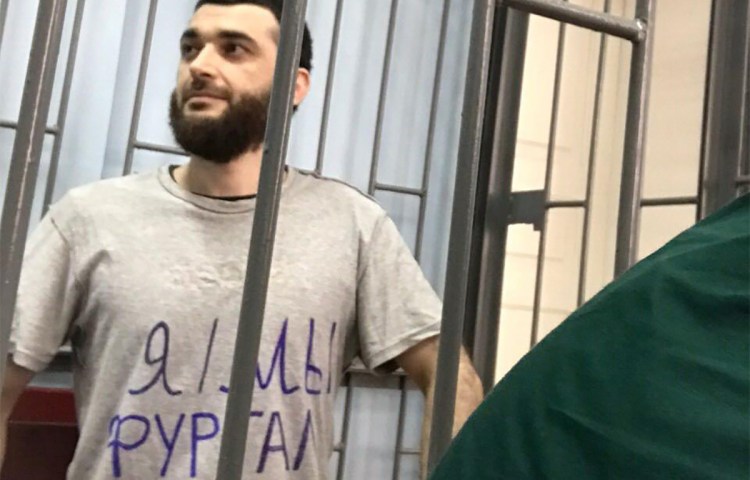
Russian journalist Abdulmumin Gadzhiev: Jailed ‘without a single proof of his guilt’
Abdulmumin Gadzhiev, religion section editor of the independent newspaper Chernovik, has been in pre-trial detention in Makhachkala, in the Russian republic of Dagestan, since his June 14, 2019, arrest on terrorism charges, according to CPJ research. On March 27, 2020, authorities filed new charges against Gadzhiev, accusing him of participation in an extremist organization, as…
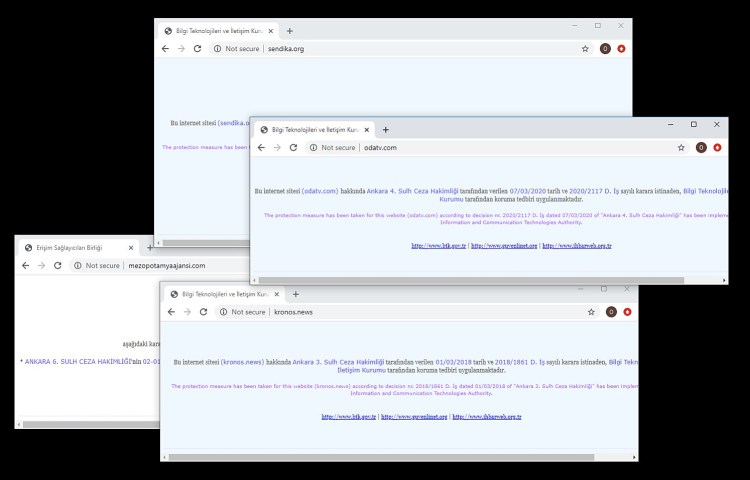
Turkish courts play whack-a-mole with independent news outlets
In March, 2020, Turkey’s Constitutional Court issued an unexpected decision, overruling a local court that blocked a news website in 2015, according to news reports. But the editor who filed the appeal with the court remains unhappy, he told CPJ via WhatsApp, because the original website remains inaccessible in Turkey — along with the 62 replacements…

Tech platforms struggle to label state-controlled media
Twitter announced last week that it would start labeling some accounts run by media outlets and their top editors as “state-affiliated,” a descriptor intended to improve transparency about the source of information being shared on the platform. Since disinformation became a flash point in the debate over content moderation on social media, distinguishing propaganda from…
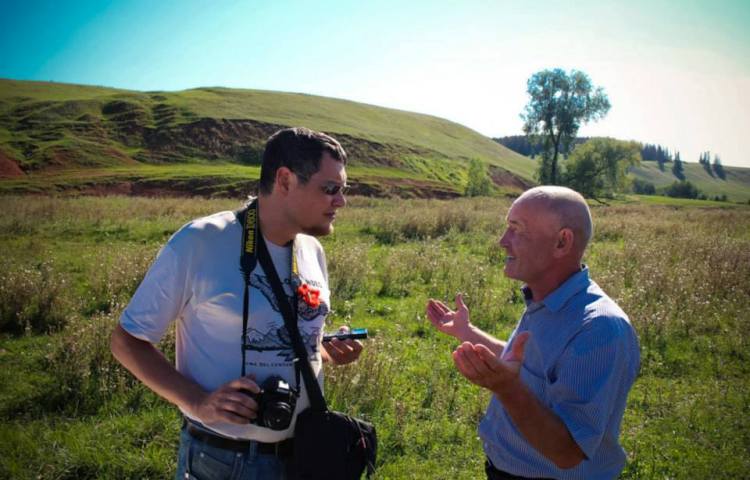
Freelancer Vladimir Sevrinovsky on covering COVID-19 in the North Caucasus: ‘The main misinformation I fight is from the state’
Vladimir Sevrinovsky is a Moscow-based freelance journalist and documentary photographer who has covered social and cultural issues in Russia for independent news site Meduza, independent weekly Russkii Reporter, and Kavkaz.Realii, a regional service of the U.S. Congress-funded broadcaster Radio Free Europe/Radio Liberty, among others. Sevrinovsky’s most recent assignment was to report from Russia’s North Caucasus…
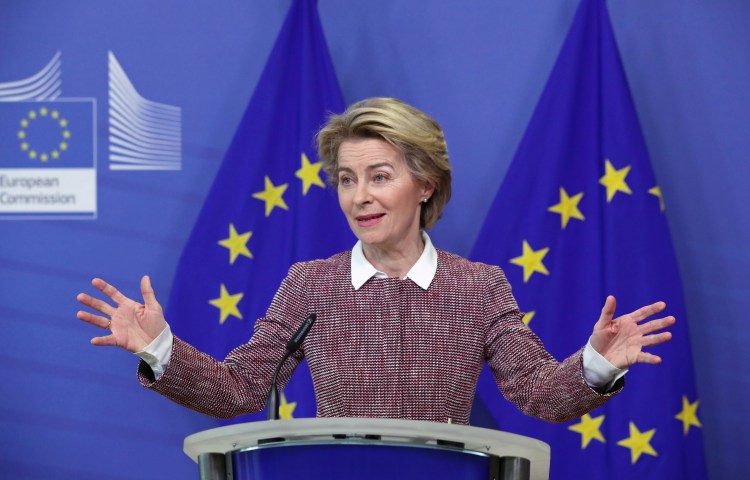
How will the EU’s Digital Services Act impact journalism?
The European Union is reviewing the legal framework for digital information, goods and services—a process with the potential to change the course of internet history for journalists and everybody else. In June, the European Commission launched public consultations about the upcoming Digital Services Act (DSA), an initiative to review and expand rules established 20 years…

Amicus briefs support CPJ’s appeal in Khashoggi lawsuit
Nearly three dozen media and press freedom organizations, as well as 10 major human rights organizations and experts, have signed on to amicus briefs in support of CPJ’s appeal in its lawsuit seeking documents on whether U.S. intelligence agencies knew of threats to Washington Post columnist Jamal Khashoggi before his murder by the Saudi government….

Journalist Patricia Devlin on working in Northern Ireland: ‘I feel vulnerable and I feel threatened’
Over the past two years, crime and paramilitary and sectarian attacks have risen in Northern Ireland, fueled by economic stagnation, a power vacuum in the regional government, and the fallout from Brexit, according to news reports. In this climate, journalists are also increasingly at risk: freelance reporter Lyra McKee was killed in April 2019, and…
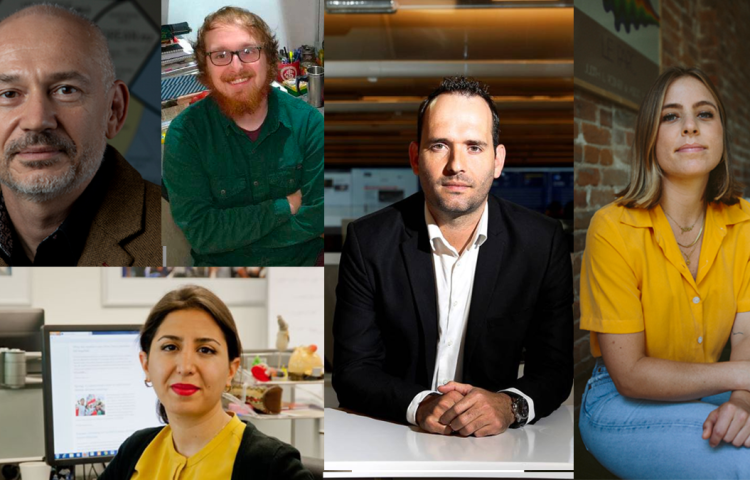
Data journalists describe challenges of reporting on the true toll of COVID-19
How many people worldwide have been infected by the coronavirus, and how many have died as a result? Finding reliable information on the virus’s toll has proven such a challenging task that it is nearly impossible to answer these basic questions, five data journalists from around the world told CPJ in May and June. In…
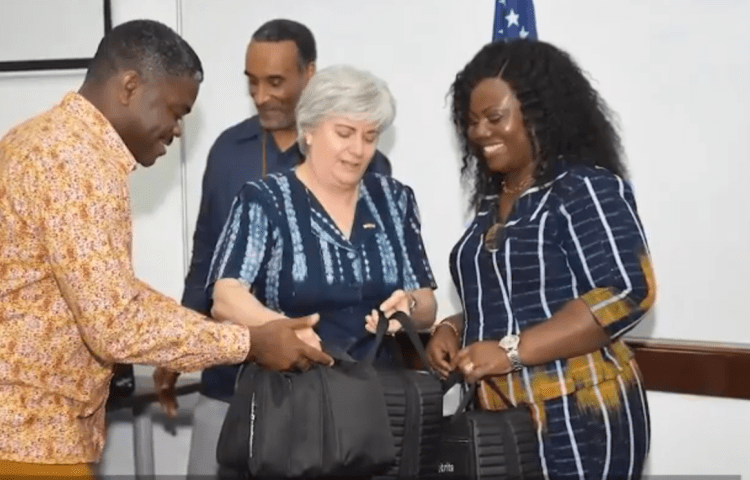
US, UK, Interpol give Ghana phone hacking tools, raising journalist concerns on safety and confidentiality
In May 2019, senior members of Ghana’s law enforcement posed for photos with the U.S. ambassador to their country at a ceremony in the capital, Accra. Between them they held boxes and bags, gifts from the U.S. government to Ghana which, according to one of the recipients, contained Israeli phone hacking technology. That recipient was…