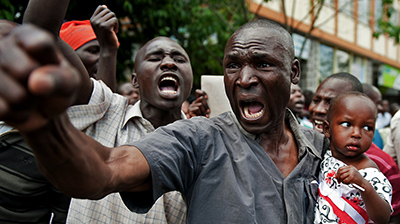
In tense climate, Kenyan press can draw on solidarity
Amid a tense presidential election, Kenyans have avoided a repeat of the deadly violence that followed the vote in 2007, when half a million people were uprooted and more than 1,000 people were killed. Still, the situation today is fraught. Ethnic identity dominates the nation’s political divisions–and those same loyalties can undermine solidarity in the…
Jail for reporting on women in Mangalore, Mogadishu
Today marks International Women’s Day. Hashtags like #IWD and #InternationalWomensDay have been trending on Twitter. Among the twitterati who voiced their support for women’s rights was Indian Prime Minister Manmohan Singh. He tweeted: PM: Let me reiterate in this House the commitment of our govt. to ensuring the dignity, safety and security of every woman…

Journalists relieved, wary amid Kenyan elections
Journalists could be seen rushing from polling station to polling station Monday to see long queues of determined Kenyan voters in what was apparently a largely peaceful election, according to the Deputy Director of Kenya’s statutory media council, Victor Bwire. But leading up to the vote, many journalists worked in a climate of fear; and…
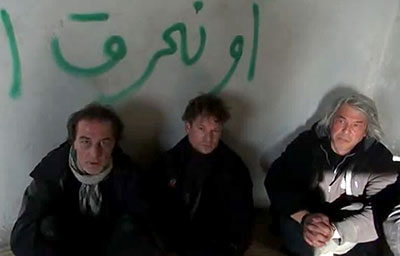
Do news blackouts help journalists held captive?
At any given time over the past two years, as wars raged in Libya and then Syria, and as other conflicts ground on in South Asia and sub-Saharan Africa, a number of journalists have been held captive by a diverse array of forces, from militants and rebels to criminals and paramilitaries. And at any given…
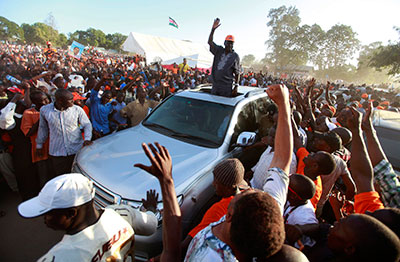
As Kenya votes, journalists must take precautions
Election-related violence is a worry for journalists in many countries, but perhaps nowhere more so than Kenya, where presidential polls will be held March 4. In the aftermath of the nation’s last presidential elections in 2007, over one thousand people were killed in ethnic and political violence, live news broadcasts were banned, and the press…

Will talk of stronger Somali justice lead to action?
Spirits of journalists in Somalia, the most dangerous country in Africa to practice the profession, were lifted slightly this week after Prime Minister Abdi Farah Shirdon made several auspicious announcements. The key concern on the minds of journalists in the capital, Mogadishu, is access to justice–both in terms of journalists’ own court appearances and in…
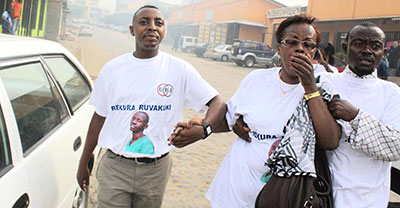
Burundi police attack journalists marching for Ruvakuki
On Tuesday, Burundi’s press corps did what it has done for the past three weeks: protest the imprisonment of one of its own. Hassan Ruvakuki is a reporter jailed since November 28, 2011 on anti-state charges; for the first time, the journalists wore white t-shirts showing Ruvakuki in his green prison uniform. But this time,…
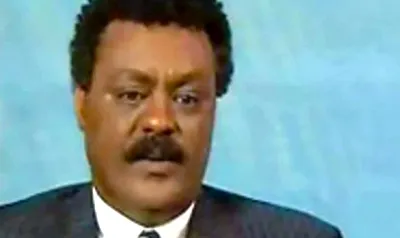
Eritrea: Ali Abdu pleads ignorance of Dawit Isaac’s fate
On Wednesday, the Swedish newspaper Expressen published what it described as an exclusive interview with Ali Abdu–Eritrea’s long-time information minister, government spokesman, and censor-in-chief–who vanished from public view in November. The piece confirmed that Ali had gone into exile, but it shed no light on the whereabouts and well-being of more than two dozen imprisoned…
An information void in Mali as journalists are obstructed
Three weeks after France’s military intervention in Mali, the war remains largely “without images and without facts,” as described by Jean-Paul Mari, special envoy for the newsweekly Le Nouvel Observateur. Although journalists have been allowed to follow French and Malian forces into the towns that have been recovered from armed Islamist groups, the real battlefields…