CPJ concerned about recent closures of independent media outlets
Your Excellency: The Committee to Protect Journalists (CPJ) is deeply concerned about recent closures of independent media outlets in Ukraine. We believe that these closures are part of a sweeping campaign to eliminate voices that are critical of the government and to block public access to independent sources of information in the run-up to presidential elections scheduled for October.
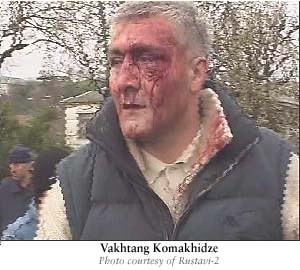
Journalist attacked
New York, March 5, 2004—Vakhtang Komakhidze, a reporter for the well-respected “60 Minutes” investigative journalism program on independent television station Rustavi-2 was brutally attacked today in the autonomous republic of Ajaria in southern Georgia. According to Akaki Gogichaishvili, the host of “60 Minutes,” Komakhidze had spent the last two weeks reporting in Ajaria and was…
CPJ concerned about RFE/RL journalists
Your Excellency: The Committee to Protect Journalists (CPJ), an independent, nonprofit organization committed to defending press freedom worldwide, is extremely concerned about escalating government persecution of Turkmen journalists working for the U.S. government-funded Radio Free Europe/Radio Liberty (RFE/RL).
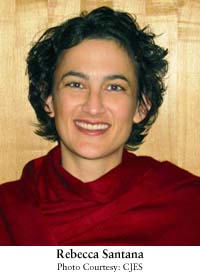
JOURNALIST HARASSED AND FIXER ABDUCTED
New York, March 2, 2004—The Committee to Protect Journalists (CPJ) strongly condemns the harassment of Cox Newspapers Moscow correspondent Rebecca Santana and the abduction of her fixer and driver, Ruslan Soltakhanov, following a recent reporting trip to Chechnya. Santana and Soltakhanov—who has been a fixer and driver for other Western journalists working in Chechnya—traveled in…
CPJ RECEIVES OSCE PRIZE FOR JOURNALISM AND DEMOCRACY
Acceptance Speech by Ann Cooper ON BEHALF OF THE AMERICAN JOURNALISTS WHO FOUNDED THE COMMITTEE TO PROTECT JOURNALISTS NEARLY A QUARTER OF A CENTURY AGO, I THANK YOU FOR THIS GREAT HONOR. THIS PRIZE COMES AT A CRUCIAL MOMENT FOR GLOBAL PRESS FREEDOM–A TIME WHEN MANY GOVERNMENTS, INCLUDING THE UNITED STATES, INCREASINGLY CITE THE WAR…
Journalist sentenced to three months in prison
New York, February 12, 2004—The Committee to Protect Journalists (CPJ) is deeply concerned about Andrzej Marek, editor-in-chief of the weekly Wiesci Polickie (Police News) in the western Polish town of Police, who may be sent to jail for three months for refusing to apologize to a local official who has accused the journalist of defamation.…
CPJ concerned by security services’ harassment of media
Your Excellency: The Committee to Protect Journalists (CPJ), an independent, nonpartisan organization dedicated to defending press freedom worldwide, is extremely concerned about deteriorating press freedom conditions in Russia. Recent steps taken by the Federal Security Service (FSB) to harass and intimidate independent journalists in retaliation for their work are particularly troubling. While FSB officials say they are safeguarding national security, journalists say they have become targets for reporting on government corruption and FSB abuses.

EXPLOSION ROCKS HOME OF JOURNALIST
New York, February 2, 2004—An explosion at about 2 p.m. today shook the downtown Moscow apartment of Yelena Tregubova, an independent journalist who recently published a controversial best-selling book criticizing the Kremlin. A package was left outside the door to Tregubova’s apartment and exploded as she was leaving to meet a friend.

CPJ concerned about draft legislation
Dear Senator Abdykarimov: The Committee to Protect Journalists (CPJ), an independent, nonpartisan organization dedicated to defending press freedom worldwide, is very concerned about deteriorating press freedom conditions in Kazakhstan and government efforts to strengthen legal restrictions over the independent media ahead of parliamentary elections due later this year.