
Ethnic violence renews information clampdown in China
Two months into 2012, all-too-familiar stories are emerging from China’s troubled minority regions, Tibet and Xinjiang. Following riots against Chinese rule in 2008 and 2009, violence and its corollaries–increased security and censorship–have become commonplace. Independent bloggers and journalists who cover the unrest pay a high price: Over half the 27 journalists documented by CPJ in…

Bangladeshi journalists call for justice in couple’s murder
On February 11, two Bangladeshi television journalists, Meherun Runi and her husband Golam Mustofa Sarowar, were murdered in their Dhaka home. Their 5-year-old son found their bodies. No arrests have yet been made and no motive has been publicly disclosed, although police claim they know why the couple was killed. Journalists have plenty of reason…
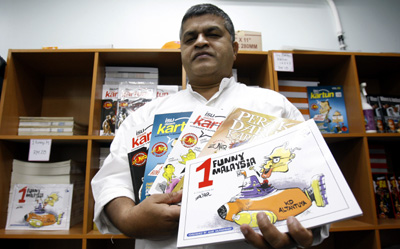
No joke: Malaysian cartoonist stands up to government
Tuesday marks the next step in a legal faceoff between Malaysian authorities and the well-known political cartoonist Zulkiflee Anwar Haque, also known as Zunar. Hearings will resume in civil lawsuit filed by Zunar that challenges the legality of his arrest and detention in September 2010. Malaysian police arrested him hours ahead of the scheduled launch…
Recalling Marie Colvin, the ‘greatest of our generation’
In her final hours, Marie Colvin gave this damning report to CNN’s Anderson Cooper. Bravery, generosity, and commitment: These are the three characteristics of Marie Colvin that have surfaced, again and again, in the many tributes spoken and published since the veteran Sunday Times reporter was killed Wednesday in the besieged city of Homs by…
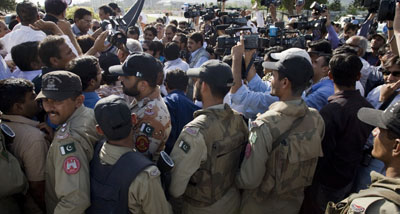
Threats and menace: Pakistan’s war on words
In Pakistan, the term “a war of words” can take on a menacing dimension beyond the metaphorical. Words–written, spoken, or reported–regularly land journalists in trouble, a very literal, physical sort of trouble. Reporters have become accustomed to being threatened, and over the years they’ve seen threats sometimes build to abductions, beatings, and even death. Such…
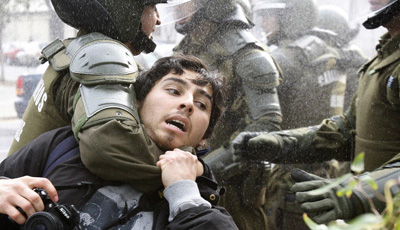
Attacks on the Press in 2011: Abolishing Censorship
Even as trade and new systems of communication turn us into global citizens, the information we need to ensure accountability often stops at national borders. New platforms like social media are valuable tools, but the battle against censorship is hardly over. By Joel Simon
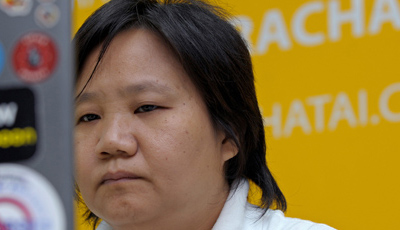
Attacks on the Press in 2011: Regulating the Internet
Legislation for Internet security can quickly turn into a weapon against the free press. Cybercrime laws are intended to extend existing penal codes to the online world, but they can easily be broadened to criminalize standard journalistic practices. By Danny O’Brien
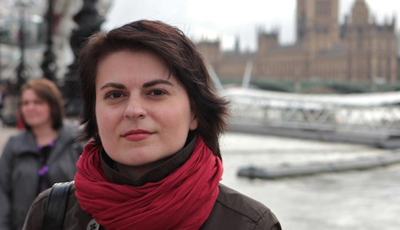
Attacks on the Press in 2011: Profiles in Freedom
How does one negotiate the choice to stay and report potentially dangerous news, rather than take a less risky assignment, leave the profession, or flee the country? The recipients of the 2011 International Press Freedom Awards explain. By Kristin Jones