
Journalists at work in China: Tibet and Beijing edition
China media analysts are looking to two significant events to shape coverage this month: The anniversary of a failed uprising in Tibet, and the annual meetings of China’s top political bodies, the National People’s Congress and the Chinese People’s Political Consultative Conference in Beijing. Journalists at work in both areas attracted coverage of their own…
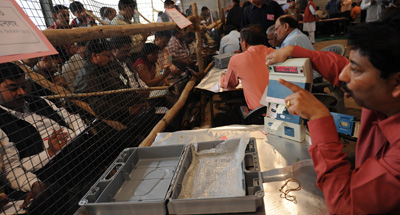
Crowd attacks Indian journalists covering elections
New York, March 6, 2012–A large crowd attacked a group of about 100 Indian journalists covering local election results in the northern state of Uttar Pradesh on Tuesday and damaged their equipment, according to news reports. The journalists were forced to lock themselves in a school for several hours to protect themselves from the violence,…

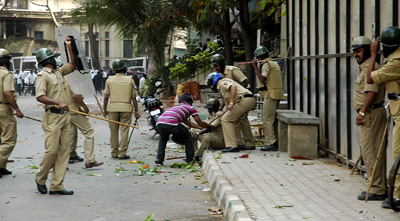
In Bangalore, journalists attacked outside courthouse
New York, March 2, 2012–Ten Indian journalists were reported injured today after being attacked by a group of lawyers outside a court in the city of Bangalore, according to news reports. The Committee to Protect Journalists condemns the attack and calls on authorities to conduct an immediate investigation.
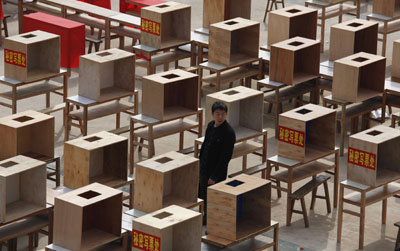
On board the election bus in China’s Wukan
Village elections taking place this weekend in southern Guangdong province’s Wukan illustrate the strengths and weaknesses of China’s media control. Censorship measures have not prevented strong domestic and international coverage of the democratic process. But has official tolerance of dissenting views increased since leaders cracked down on the attempted Jasmine revolution last year? Or is…

Pakistan’s excessive Internet censorship plans
Last month, Pakistan’s government put out requests for proposals for a massive, centralized, Internet censorship system. Explaining that “ISPs and backbone providers have expressed their inability to block millions of undesirable web sites using current manual blocking systems,” the state-run National Information Communications Technology Research and Development Fund said it therefore requires “a national URL…

‘Invisible Tibet’ blogger elicits China’s extra-judicial ire
Beijing-based blogger Woeser reported on her website Invisible Tibet today that she has been confined to her residence by Beijing public security officers who are stationed outside her home. Woeser, an outspoken critic of Chinese government policies in Tibet, has written about a series of recent self-immolations among monks and arrests of writers in western…
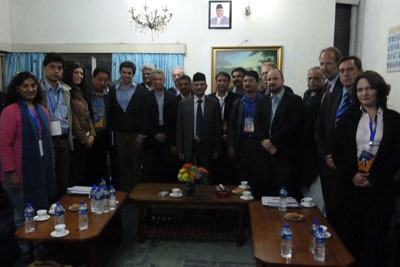
Two years after Nepal murder, no progress, mission finds
On the evening of March 1, 2010, Arun Singhaniya, owner of Janakpur Today newspaper and Janakpur Today Radio, stepped out of a prayer service during a holy celebration in Janakpur, Nepal’s second largest city. A gunman on a motorcycle shot and killed the news proprietor, making him the second person affiliated with the Janakpur Today…