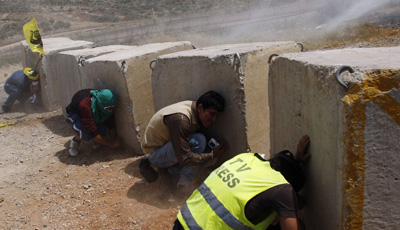
Attacks on the Press in 2011: Evolution in Journalist Security
The danger of covering violent street protests has become a significant risk for journalists, alongside combat and targeted killings. Sexual assault, organized crime, and digital vulnerability are also hazards. The security industry is struggling to keep up. By Frank Smyth
Attacks on the Press in 2011: Asia
Analyses and data track press conditions throughout the region. Bob Dietz describes efforts by Pakastani journalists to address widespread violence. Shawn Crispin details the faltering prosecution in the Maguindanao massacre. Madeline Earp examines the future of information control in China, and Monica Campbell recounts the plight of Afghan reporters for international media.
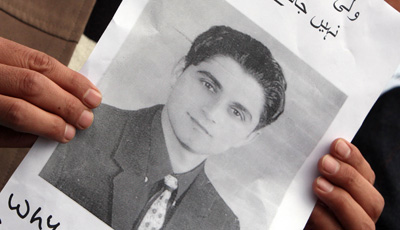
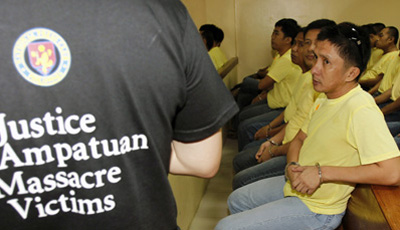
Attacks on the Press: Will Philippines Fail on Maguindanao?
Nearly two years since 32 journalists were murdered, the fight for justice has both intensified in rhetoric and bogged down in technicalities. Without a greater commitment of resources, the litmus test is one the Philippines could fail. By Shawn W. Crispin
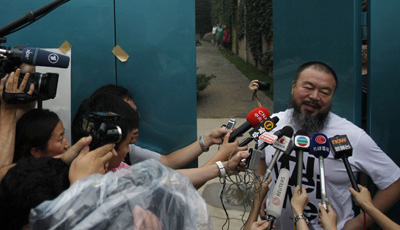
Attacks on the Press: China Holds Fast to Information Control
Internet users posed ever-bigger challenges to Beijing’s media controls, boosting debate on public safety and censorship. But ahead of a 2012 leadership transition, the Chinese Communist Party looks likely to fiercely suppress dissent. By Madeline Earp
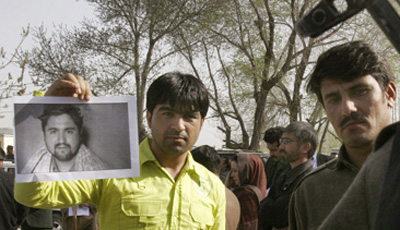
Attacks on the Press in 2011: The Year in Photos
Photographers from The Associated Press, Reuters, Agence France-Presse, and other news outlets documented historic events in 2011, often at great peril. The Year in Photographs: Press Freedom in 2011 features images from the Arab uprisings, South Asia’s armed conflicts, and political repression in the Americas, Africa, and Europe.