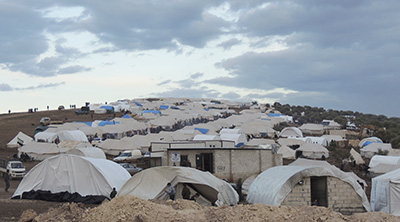
Journalists in exile 2013
Somalis, Syrians flee violence; Iran crackdown deepens Fifty-five journalists fled their homes in the past year with help from the Committee to Protect Journalists. The most common reason to go into exile was the threat of violence, such as in Somalia and Syria, two of the most deadly countries in the world for the profession.…
Audio: Exiled Afghan journalist Barat Ali Batoor
In our special report, “Journalists in Exile,” CPJ examines the issues facing journalists who are forced to flee their countries due to intimidation, threats, or fear of imprisonment. Batoor, 29, an Afghan photojournalist, began receiving threats soon after a photo essay he worked on, “The Dancing Boys of Afghanistan,” was published in The Washington Post.…
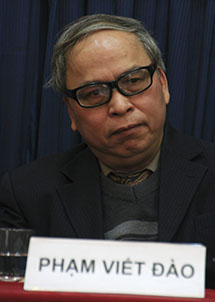
Prominent Vietnam blogger arrested in Hanoi
New York, June 14, 2013–Vietnamese police in Hanoi arrested a blogger on Thursday on accusations of anti-state activity, according to news reports. Pham Viet Dao wrote blogs that were critical of government officials and policies, the reports said. Dao, 61, who also wrote about politically sensitive issues such as the territorial dispute with China, was…
Chinese journalist held after publishing book on Tiananmen
New York, June 13, 2013–Chinese authorities must immediately release a journalist who has been detained since May 31 following the publication of his book on the Tiananmen massacre, the Committee to Protect Journalists said today. Du Bin’s detention, which was reported by his family members, came a few days before the 24th anniversary of the…
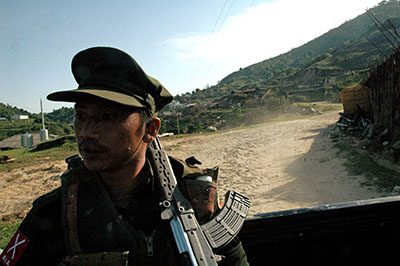
Burma falters, backtracks on press freedom
The media landscape in Burma is more open than ever, as President Thein Sein releases imprisoned journalists and abolishes the former censorship regime. But many threats and obstacles to truly unfettered reporting remain, including restrictive laws held over from the previous military regime. The wider government’s commitment to a more open reporting environment is in…
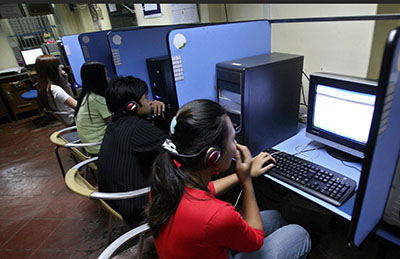
Online and in danger in Burma
Early moves by Thein Sein to ease Internet censorship are viewed as a limited concession to press freedom, since Burma has one of the lowest Internet penetration rates in the world. Now, planned foreign investments in mobile infrastructure promise to expand access, but a draft telecommunications law would leave intact many of the vague legal…
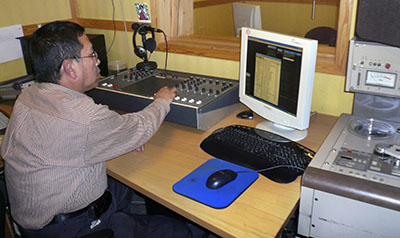
An uneasy homecoming for Burma’s exile media
The return of exiled Burmese media groups is one of the clearest signs of the country’s improved reporting environment, but the outlets may struggle to compete as Western donors reduce funding. Furthermore, journalists are worried about losing the editorial independence they enjoyed in exile. By Shawn W. Crispin
Burma Falters, Backtracks on Press Freedoms
New York, June 13, 2013–Burma’s media continue to face threats and obstacles to free reporting despite recent reforms, according to a report by the Committee to Protect Journalists (CPJ) released today. A new draft publishing bill and the failure to reform existing restrictive laws jeopardize still limited freedoms of expression and the press. “The changes…