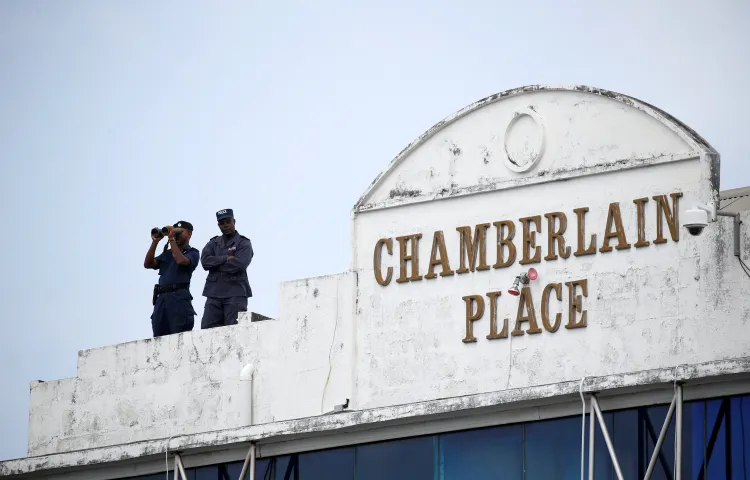
Photojournalist Christoff Griffith killed at crime scene in Barbados
Miami, June 26, 2020 – Authorities in Barbados must thoroughly investigate the killing of photojournalist Christoff Griffith and ensure those responsible are held to account, the Committee to Protect Journalists said today. Griffith is the first journalist CPJ has recorded as killed in relation to his work in Barbados. On June 22, in St. Michael,…
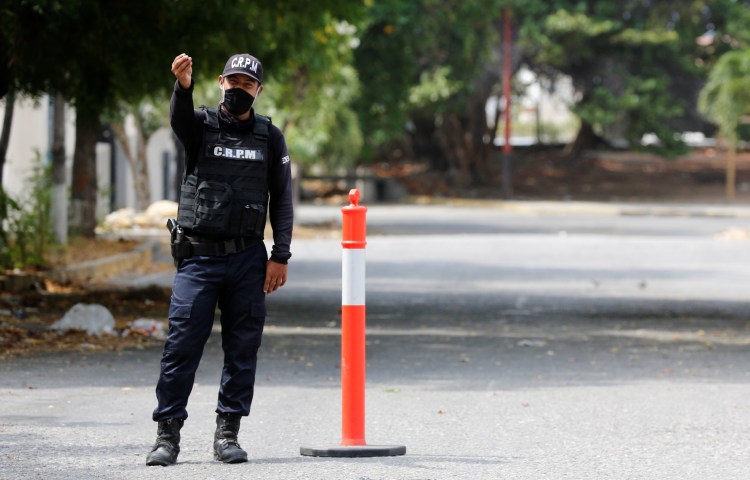
Venezuelan journalists charged under anti-hate law, held on house arrest
Miami, June 25, 2020 — Venezuelan authorities should immediately drop all charges against journalists María Luisa “Mimi” Arriaga and Marco Aurelio Antoima, and stop using the country’s anti-hate law to persecute the press, the Committee to Protect Journalists said today. On June 18, agents from the Venezuelan judicial police raided Arriaga’s home in the El…
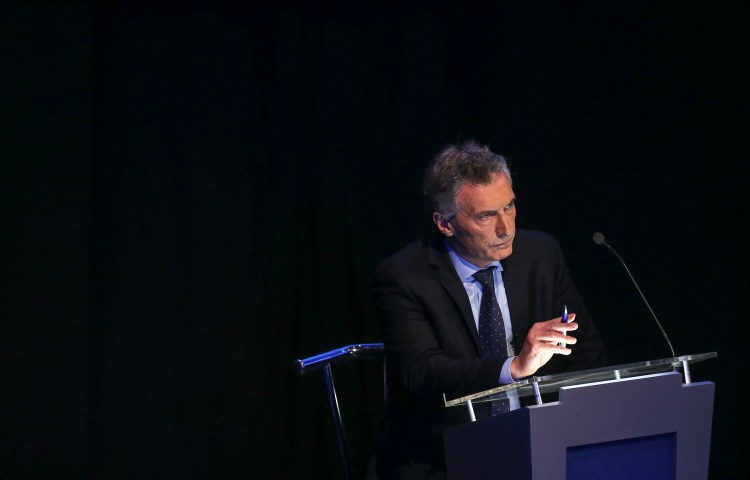
Los servicios de inteligencia de Argentina espiaron al periodista Hugo Alconada Mon durante la gestión del presidente Macri
Miami, 18 de junio de 2020 – Las autoridades argentinas deben realizar una investigación exhaustiva sobre el espionaje a periodistas durante la gestión del Gobierno anterior, y hacer rendir cuentas a los responsables, declaró hoy el Comité para la Protección de los Periodistas (CPJ, por sus siglas en inglés). El 15 de junio, en el…
Argentine intelligence services surveilled journalist Hugo Alconada Mon under Macri administration
Miami, June 18, 2020 – Argentine authorities should conduct a thorough investigation into the surveillance of journalists under the previous presidential administration, and hold those responsible to account, the Committee to Protect Journalists said today. On June 15, at the Federal Court of Lomas de Zamora, judge Federico Villena presented evidence showing that Argentina’s Federal…
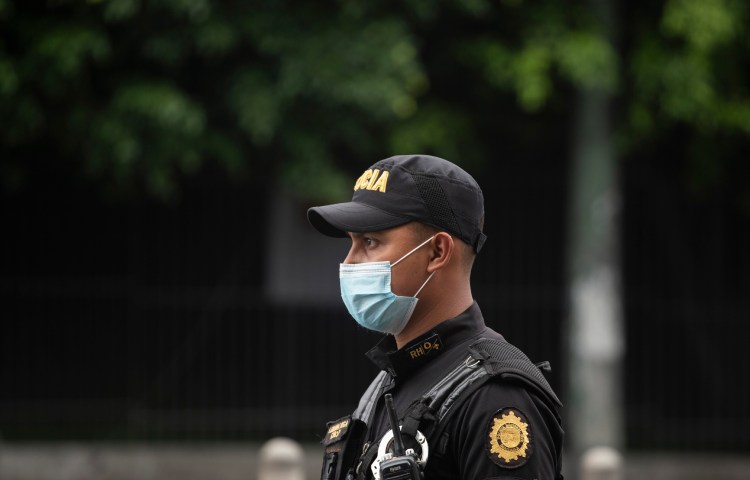
Guatemalan journalist Francisco Chox attacked by protesters, arrested while covering land dispute
Managua, Nicaragua, June 17, 2020 – Guatemalan authorities should immediately release journalist Francisco Chox and open a thorough and transparent investigation into the circumstances of his arrest, the Committee to Protect Journalists said today. On June 11, a group of protesters in the municipality of Santa Catarina Ixtahuacan, in Sololá department, detained Chox while he…
Amid spike in threats to US photographers, CPJ shares resources, joins call for accountability
New York, June 17, 2020 — Photojournalists must work on the frontlines and thus face heightened risks when covering protests and civil unrest, as underscored by the recent protests in the United States and separately by CPJ Emergencies’ surveys of photographers. These concerns are highlighted in a new series of CPJ videos that put #SafetyInFocus….
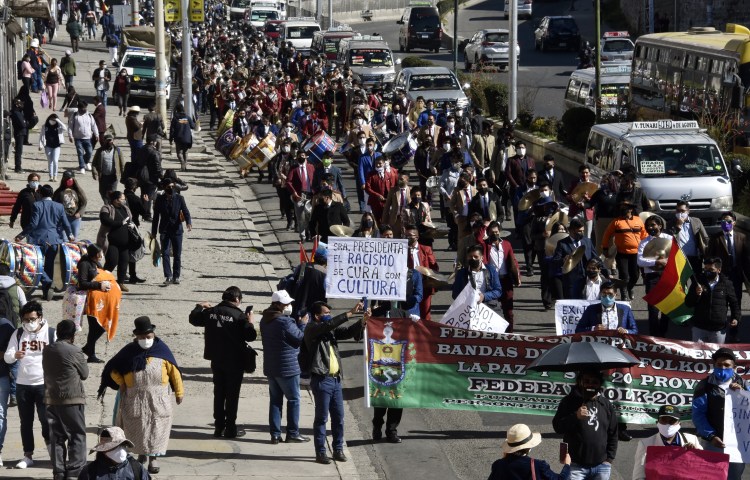
Protesters assault Bolivian journalists from Unitel TV and El Deber
Bogotá, June 16, 2020 – Bolivian authorities’ investigation into attacks on journalists from Unitel TV and El Deber should be thorough and transparent, and those responsible should be held to account, the Committee to Protect Journalists said today. On June 11, a crowd of about 50 protesters in the central Bolivian town of Entre Ríos…
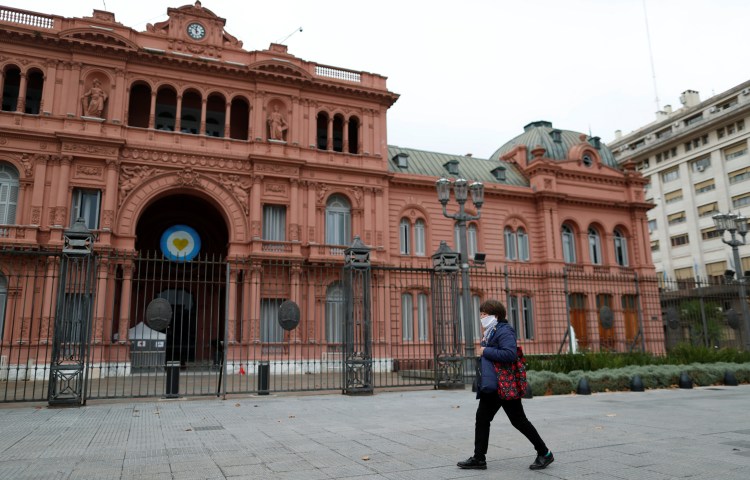
Audit finds that Argentine intelligence services compiled files on hundreds of journalists
New York, June 16, 2020 – Argentine authorities should conduct a transparent and impartial investigation into allegations that intelligence agents compiled dossiers of journalists in 2017 and 2018, and should ensure that such programs are not conducted in the future, the Committee to Protect Journalists said today. On June 5, a federal prosecutor conducting an…
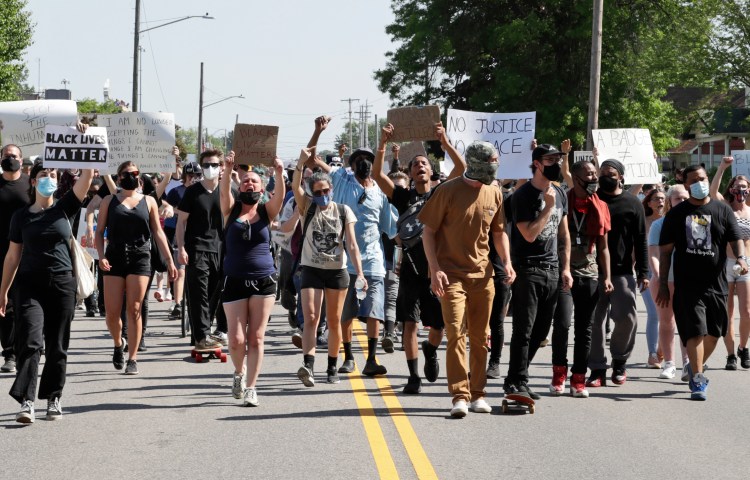
Local prosecutor subpoenas Cleveland newsroom for protest material
Washington, D.C., June 15, 2020 — The Cuyahoga County prosecutor’s office in Ohio should withdraw its subpoena served to the Cleveland.com news website and The Plain Dealer newspaper, and refrain from asking reporters to turn over unpublished material, the Committee to Protect Journalists said today. The county prosecutor’s office, which has jurisdiction in the city…