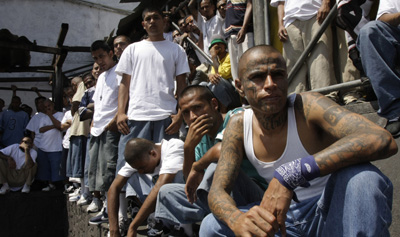
CPJ hails conviction in journalist murder in El Salvador
New York, June 7, 2012–The Committee to Protect Journalists welcomes the conviction in the 2011 murder of Salvadoran cameraman Alfredo Antonio Hurtado Núñez, but calls on authorities to ensure that the other gunman charged for the crime is brought to justice.
Computer crime laws belie Thai claim to modern society
At online discussion sites all over the world, comments are posted on the Web as soon as they are written. People argue, inform, express anger, and voice fears. Some say things in the heat of the moment that they might go on to regret. Others are elliptical and obscure. The enabling of such conversations is…
Free expression in Americas goes beyond left or right
On Sunday the general assembly of the Organization of American States will convene in Bolivia in the verdant, highland valley city of Cochabamba. The 35 member states (every nation in the region except Cuba) are expected to vote on a measure that, if passed, could curtail free expression and press throughout the hemisphere and put…
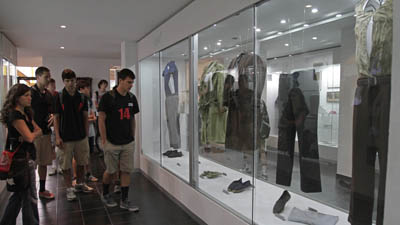
Solidarity, a key to security, eludes Salvadoran press
No other journalists are remembered quite like this. Visitors looking through the glass display at the Monsignor Romero Center & Martyrs Museum in San Salvador see the pajamas and other clothes that three Jesuit university priests were wearing when they were shot down by automatic rifle fire. A series of clear containers are filled with…

At CPJ Debrief, Gettleman cites Somalia danger, reward
Jeffrey Gettleman, the Pulitzer Prize-winning New York Times correspondent, says he travels with “a small militia” whenever he reports from Somalia, the East African country afflicted by armed insurgency, poverty, and hunger. As intrusive as the security detail might be, he feels far more fortunate than the local reporters who face sustained and often deadly…
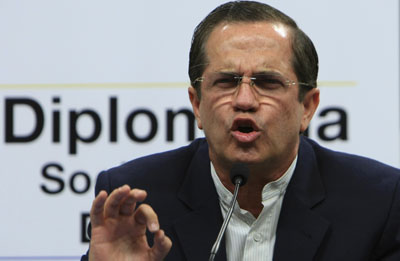
Nations urge Ecuador to guarantee freedom of expression
Stressing concerns of human rights groups about the deterioration of press conditions under the administration of President Rafael Correa, 17 members of the United Nations submitted recommendations to Ecuador on freedom of expression issues before the U.N. Human Rights Council this week. While Ecuador tried to pass off the criticism as resulting from ignorance, the…
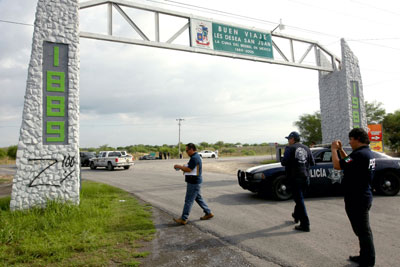
El Mañana cedes battle to report on Mexican violence
They would tell you that the killers haven’t let them cover real news for several years–if you call news serious information that’s important to the public, like why the police didn’t investigate so many murders or kidnappings or extortions. Or why drugs were sold so openly. Or that three former governors are being investigated for…