Gunman sentenced in murder of Brazilian journalist
New York, August 9, 2013–The Committee to Protect Journalists welcomes Tuesday’s conviction for the 2010 murder of Brazilian radio journalist and blogger Francisco Gomes de Medeiros. João Francisco dos Santos was sentenced to 27 years in prison on charges of shooting and killing the journalist in the northeastern city of Caicó, according to news reports.
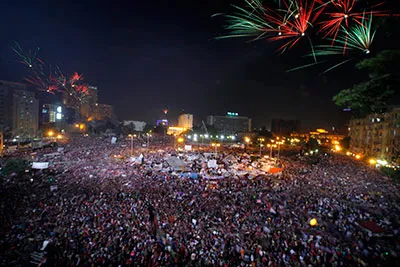
Attacks in Egypt highlight risk of covering protests
From São Paulo to Istanbul to Cairo, coverage of street demonstrations has re-emerged as an exceptionally dangerous assignment for journalists. Since June 1, CPJ has documented more than 120 attacks on the press amid the civil unrest in Brazil, Turkey, and Egypt–the biggest surge of attacks in such circumstances since the uprisings that swept the Arab world…
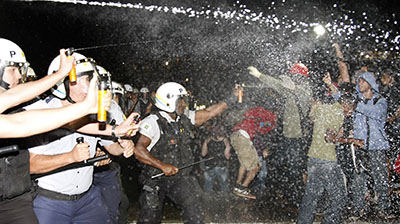
Journalists attacked, detained amid Brazil protests
New York, June 21, 2013–At least 25 journalists have reported being attacked or detained amid protests that have swept Brazil over the past two weeks, growing from discontent in São Paulo over public transportation fare hikes to wider nationwide demonstrations against government policies.
For one Brazilian journalist, harsh reality after exile
I have always been convinced that journalism is an instrument that transforms people and realities. I believe in this profession as a means of change, even if this implies some risk. I’ve been beaten almost to death and at another time have had to move to another city because I went to the limit of…
Media executive gunned down in Brazil
New York, June 13, 2013–Brazilian authorities must identify the motive behind Tuesday’s murder of a media executive, the Committee to Protect Journalists said today. Four masked men shot José Roberto Ornelas de Lemos at least 41 times while he was at a bakery in a suburb of Rio de Janeiro, according to news reports.
Brazilian journalists detained while covering protest
New York, June 13, 2013–At least three Brazilian journalists were detained by military police while covering a protest on Tuesday, with one still in custody, according to news reports. The Committee to Protect Journalists calls on Brazilian authorities to allow journalists to be able to work freely without fear of harassment.
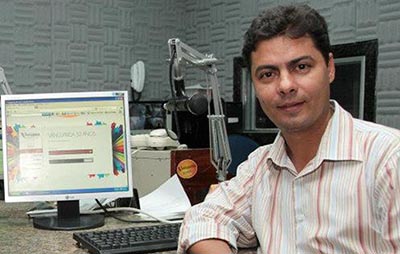
In Brazil, awakening ‘Rodrigo Neto in each of us’
One month after their colleague Rodrigo Neto was gunned down on the street after eating at a popular outdoor barbecue restaurant, the journalists of Vale do Aço, Brazil, were indignant. Denouncing a sluggish investigation and the possibility of police involvement in the murder, they strapped black bands to their wrists in a sign of solidarity,…

In Index, a pattern of death, a roadmap for solutions
Gerardo Ortega’s news and talk show on DWAR in Puerto Princesa, Philippines, went off as usual on the morning of January 24, 2011. Ortega, like many radio journalists in the Philippines, was outspoken about government corruption, particularly as it concerned local mining issues. His show over, Ortega left the studios and headed to a local…
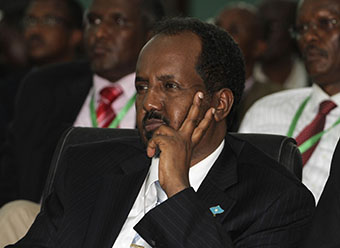
Another Vale do Aço journalist gunned down in Brazil
New York, April 15, 2013–Brazilian authorities must bring to justice the assailants involved in the murder of a crime photographer on Sunday night, the Committee to Protect Journalists said today. Walgney Assis Carvalho was a freelance photographer who contributed to the daily Vale do Aço in the southeastern state of Minas Gerais.