
In Zimbabwe, journalist detained for covering demonstration
Police detained for several hours a reporter for the independent Daily News on July 3, 2014, local journalists told CPJ. Helen Kadirire was held in Mutoko, a town 143 kilometres (89 miles) east of the capital, Harare, after she started to cover a demonstration by the Mutoko North Development Trust, a local community organization, according…
Zimbabwe’s top court strikes down criminal defamation
New York, June 13, 2014–The Committee to Protect Journalists welcomes Thursday’s move by Zimbabwe’s Constitutional Court to strike down criminal defamation, saying it is not compatible with the country’s new constitution. The court ruled that criminal defamation violated freedom of expression and that civil suits would adequately protect individuals alleging defamation, reports said.
Attacks on the Press in 2013: Zimbabwe
Though general elections in July took place in a significantly more peaceful atmosphere than the 2008 vote, the news media remained dominated by state-owned outlets. Journalists and human rights defenders were frequent targets of physical attacks and brief detentions in the months leading up to the election, which renewed the 33-year grip on power of…

Q&A: Zenzele Ndebele promotes radio in Zimbabwe
With Zimbabwe elections days away, the fight over access to the airwaves has intensified. The media environment has loosened slightly compared with previous years, but most Zimbabweans still lack access to independent sources of news, including radio. One person familiar with obstacles to broadcasting is Zenzele Ndebele, editor of Radio Dialogue, a community radio station…

A bid to rid Africa of criminal defamation, sedition laws
The African Union’s special rapporteur on freedom of expression and access to information, Commissioner Pansy Tlakula, has launched an auspicious initiative in East Africa to counter criminal defamation and sedition laws. Since independence, authorities and business interests in the East and Horn region have used criminal laws on sedition, libel, and insult–often relics of former,…
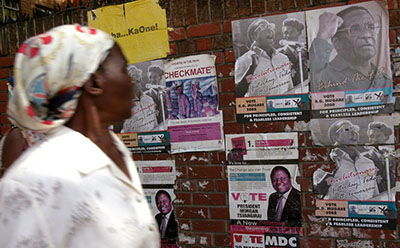
Zimbabwean journalists targeted amid pre-election tension
Cape Town, South Africa, June 18, 2013–All parties in Zimbabwe’s government of national unity must respect the responsibility of journalists to document events and report the views of citizens, especially in the run-up to the country’s elections in July, the Committee to Protect Journalists said today. In four different cases this month, reporters have been…