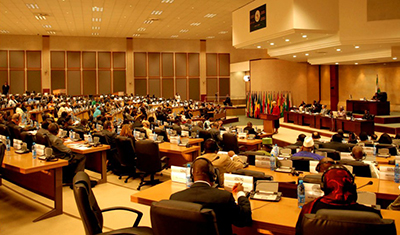
Press freedom: Challenge of changing words into deeds
The Pan African Parliament’s (PAP) launch of a media freedom campaign through a “Dialogue on Media Freedom in Africa” in mid-May marks an important and welcome starting point. For too long, media freedom has been divorced from the debate around development and democratization when it has an integral role to play in promoting transparency, underpinning…
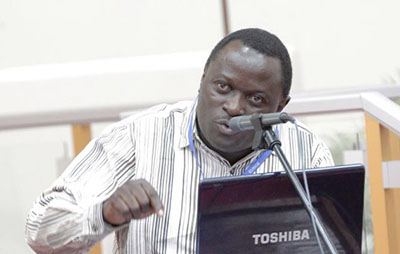
Attacks on the Press in 2012: Tanzania
A journalist was killed in the line of duty in September, the first Tanzanian work-related fatality documented by CPJ in the 20 years it has kept detailed records. Police attacked veteran TV reporter Daudi Mwangosi, who was shot point-blank with a tear-gas canister and died at the scene, witnesses said. Mwangosi, of the private Channel…
Attacks on the Press: Killed in 2012: A Worldwide Roundup
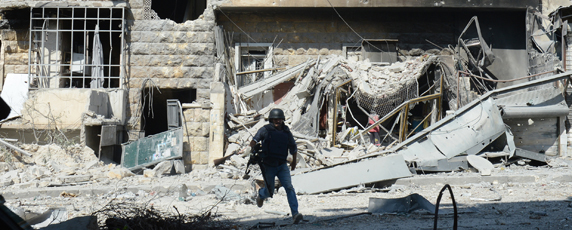
Killed in 2012: A Worldwide Roundup The number of journalists killed in the line of duty rose sharply in 2012, as the war in Syria, a record number of shootings in Somalia, continued violence in Pakistan, and a worrying increase in Brazilian murders contributed to a 49 percent increase in deaths from the previous…
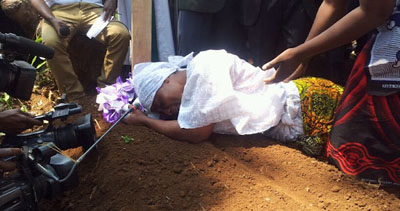
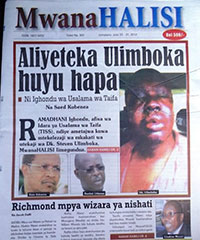
Tanzanian authorities ban weekly indefinitely
Nairobi, July 30, 2012–The Tanzanian government today banned indefinitely the critical Swahili-language weekly MwanaHalisi, accusing the paper of publishing seditious articles, according to local journalists and a statement by the information ministry. The ministry claimed that MwanaHalisi’s four July editions contained seditious and false material but did not specify particular articles. Under the 1976 Newspaper Act, Tanzanian…
Obama should raise press freedom in Africa food talks
New York, May 16, 2012–President Obama should acknowledge the role that independent news reporting plays in assessing agricultural challenges and facilitating the response to famine, the Committee to Protect Journalists stated in a letter to the White House. Ethiopia in particular downplays the extent of food crises and undermines the ability of donor nations and aid groups to help by denying journalists access to sensitive areas and censoring independent coverage.
How to survive in Tanzania’s press
There is one simple rule for survival in Tanzania’s media – whether you are an editor, reporter, columnist, printer, or even news vendor: don’t be critical. Thanks to repressive laws on Tanzania’s books, an article considered libelous by the state can get anyone in trouble, even prominent journalists such as Absalom Kibanda — the chairman…