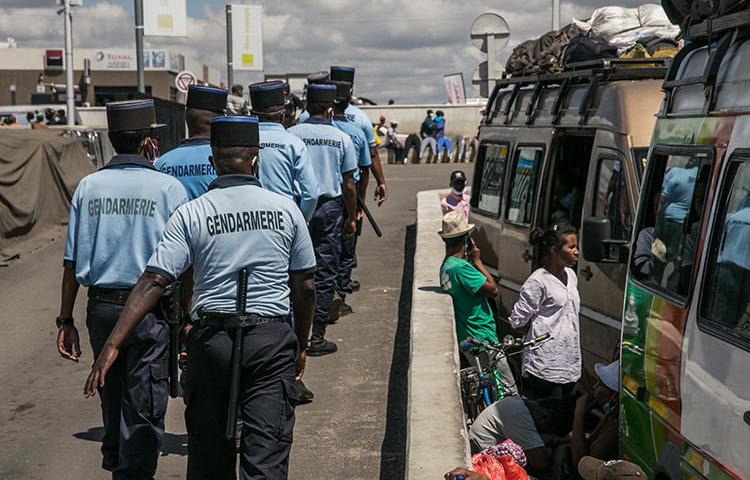
CPJ, 192 partner organizations urge UN Secretary General to take action to secure release of jailed journalists amid COVID-19
The #FreeThePress campaign, made up of 193 press freedom and human rights organizations and the more than 11,337 concerned citizens who signed the petition, urges the UN secretary general to take immediate action to secure the release of journalists jailed around the world whose lives are risk due to the spread of COVID-19.
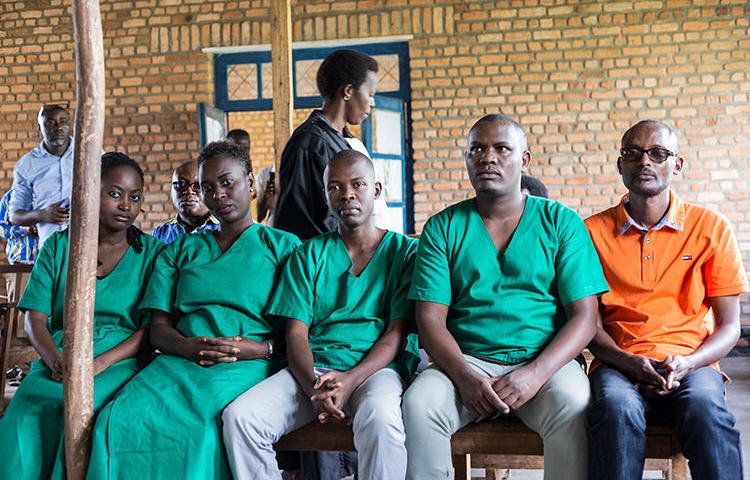
CPJ calls on Burundi to release 4 Iwacu journalists on appeal
Nairobi, May 4, 2020 — In advance of an upcoming appeal hearing for four journalists at Burundian news website Iwacu, who were sentenced to 2.5 years in prison in January, the Committee to Protect Journalists issued the following statement:
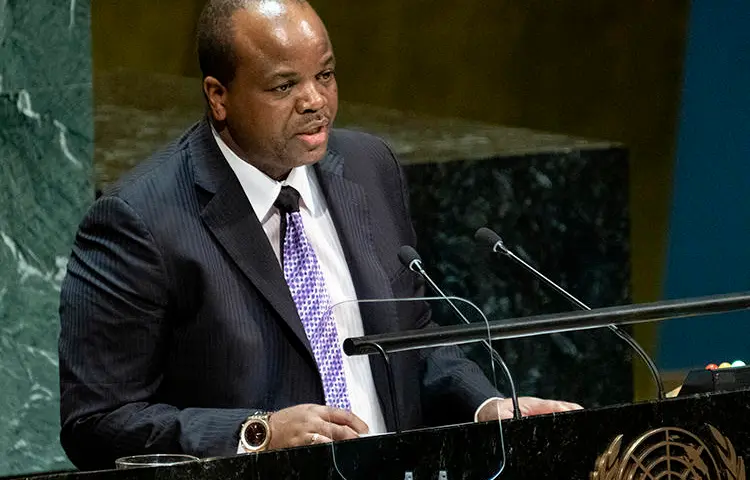
Swaziland journalists harassed, threatened with treason charges over reporting on king
New York, April 30, 2020 — Swaziland police should stop intimidating and harassing local journalists for reporting critically about King Mswati III and should allow them to write freely without the threat of treason charges, the Committee to Protect Journalists said today.
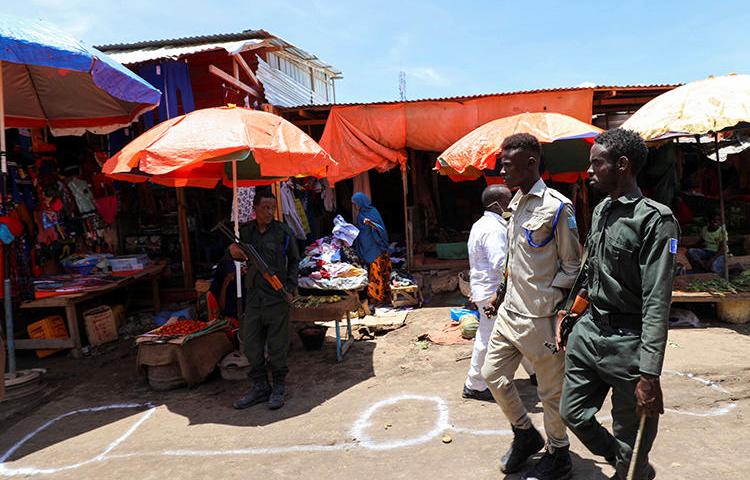
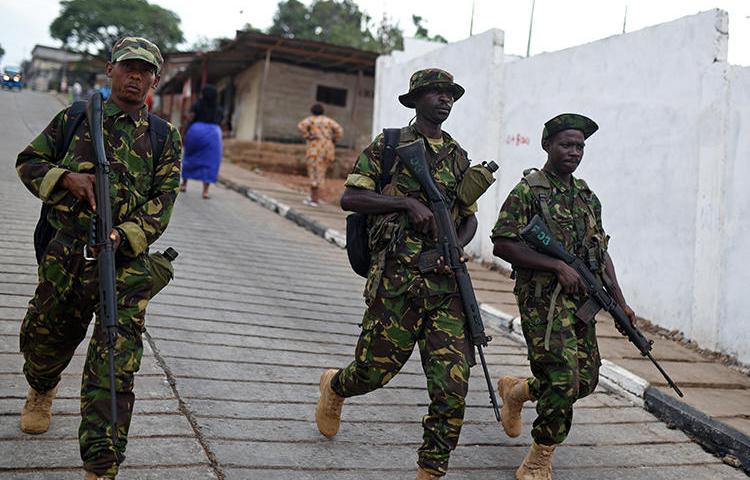
Sierra Leone security forces attack, charge journalist covering COVID-19
Abuja, April 28, 2020 — Authorities in Sierra Leone should immediately drop all charges against journalist Fayia Amara Fayia and ensure those responsible for the attacks against him are held accountable, the Committee to Protect Journalist said today.
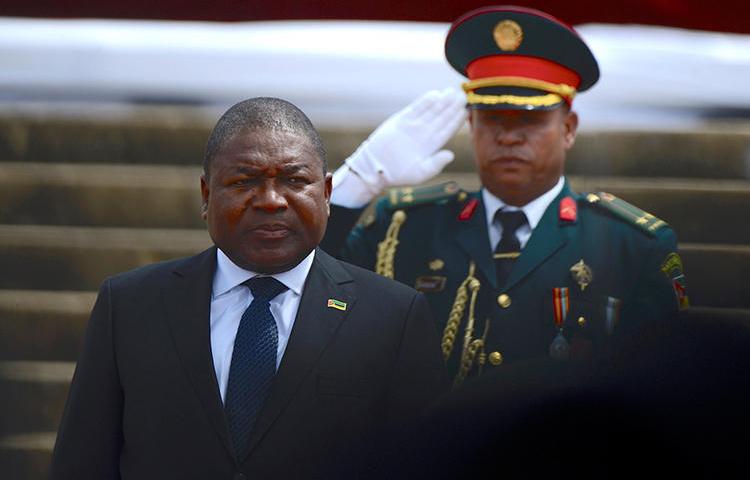
CPJ joins letter to Mozambican president about enforced disappearance of journalist Ibraimo Abú Mbaruco
The Committee to Protect Journalists joined 16 other civil society groups today in sending a letter to Mozambican President Filipe Jacinto Nyusi expressing concern about the deteriorating human rights situation in northern Cabo Delgado province, including the enforced disappearance of radio journalist Ibraimo Abú Mbaruco.
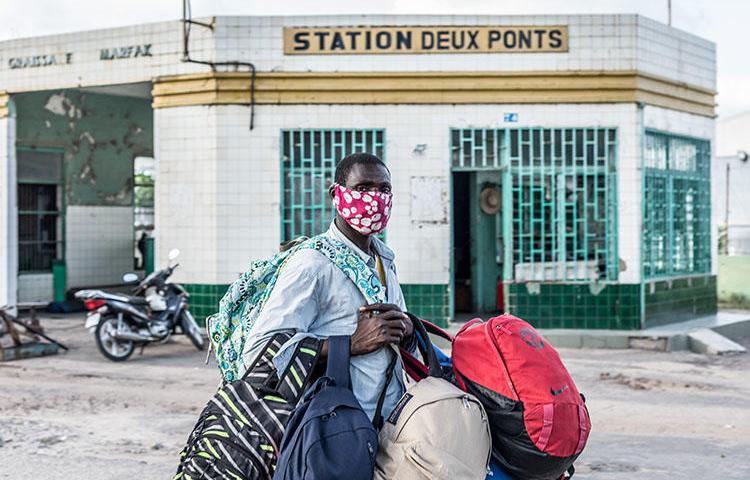
CPJ, partners call for release of Beninese journalist Ignace Sossou on appeal
New York, April 27, 2020—Today the group of undersigned organizations called on authorities in Benin to immediately release imprisoned journalist Ignace Sossou on appeal and ensure that he does not continue to face undue risk of coronavirus exposure in ongoing detention.
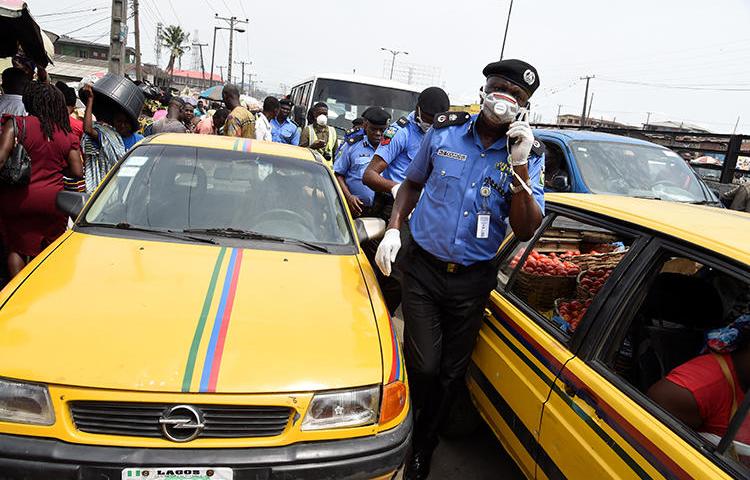
Nigerian police arrest, detain 2 journalists in Ebonyi state
[Editors’ Note: This article has been changed in its headline and fifth paragraph to reflect the Ebonyi governor’s more recent statements.] Abuja, April 24, 2020 — Authorities in Nigeria should stop harassing journalists Peter Okutu and Chijioke Agwu, and must cease using COVID-19-related laws to stifle the press, the Committee to Protect Journalists said today.
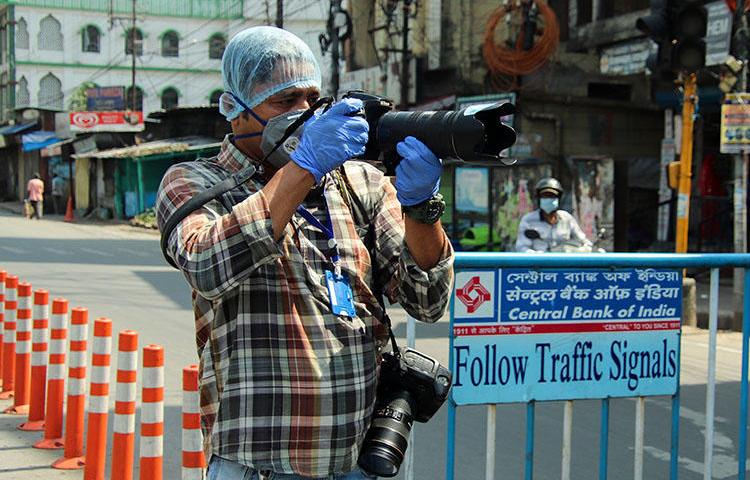
Freelance journalists risk lives and livelihoods amid COVID-19 pandemic
Johannesburg-based freelance journalist Yeshiel Panchia was on his way to cover a story about a local developer who had found a way to keep his wage laborers employed during South Africa’s coronavirus lockdown by letting them live on the construction site so that they didn’t have to leave “home” in contravention of strict rules.