Attacks on the Press in 2011: Equatorial Guinea
News and information was tightly controlled in Equatorial Guinea, which CPJ identified as one of the world’s most censored nations. Nearly all news media were owned and run by the government or its allies. One independently owned newspaper circulated in the country, but had to practice self-censorship; no independent broadcasters operated domestically. Even in this…
Attacks on the Press in 2011: Democratic Republic of the Congo
Incumbent Joseph Kabila claimed victory in a November presidential election marred by widespread voting irregularities and a spike in attacks on news outlets. While international observers questioned the results, Kabila forces launched a crackdown on dissent. Attacks on the press were concentrated in the capital, Kinshasa, and surrounding Bas Congo province. Supporters of incumbent President…
Attacks on the Press in 2011: Cameroon
The government sought to curtail popular protests and related news coverage as President Paul Biya extended 29 years of rule in an October election. Having consolidated power through constitutional amendments that removed term limits and stacked the membership of the election oversight agency with loyalists, Biya swept 78 percent of the vote in a poll…
Attacks on the Press in 2011: Angola
Youth-led and social media-fueled protests demanding reform challenged President José Eduardo Dos Santos, who marked 32 years in power. Parliament, controlled by Dos Santos’ MPLA party, considered legislation to “combat crime” in information and communication technology. The bill, pending in late year, would stiffen penalties for defamation and would criminalize electronic dissemination of “recordings, pictures,…
Attacks on the Press in 2011: Ethiopia
Trumpeting economic growth on par with India and asserting adherence to the authoritarian model of China, Prime Minister Meles Zenawi pushed an ambitious development plan based in part on ever-hardening repression of critical journalists. The government aggressively extended application of a 2009 anti-terrorism law, designating rebel and opposition groups as terrorists and criminalizing news coverage…
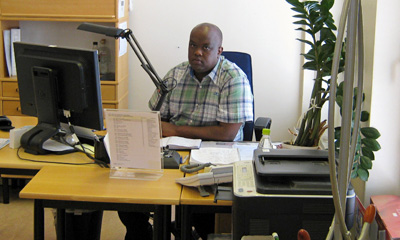
Rwandan exiled journalist comes out of hiding
I must have received at least a dozen communications from worried friends and colleagues, asking the whereabouts of the chief editor of the highly critical Rwandan website, Umuvugizi. By mid-January, no one had heard from John Bosco Gasasira, nothing new had been published on Umuvugizi since January 11, and his cell phones were switched off.…
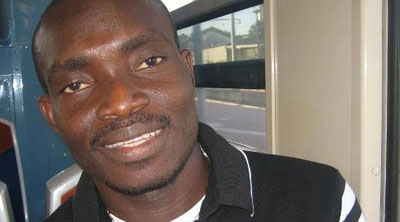
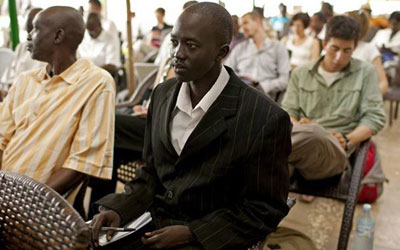
Attack on South Sudan reporter sparks critical debate
February is the hottest month in Juba, the capital of South Sudan, and Mading Ngor, a reporter and presenter for the Catholic-owned Bakhita FM, trudged his way through the heat to cover parliament proceedings last week–only to be thrown unceremoniously out of the assembly. “Before I had time to argue, four security guards pinned me…

For Gambia’s press, positive developments?
Good news for Gambia’s beleaguered independent press has been rare during President Yahya Jammeh’s 17-year rule, but last week brought three potentially positive developments. It’s unclear whether they mark a real change in the status quo, but they may at least increase the resolve of advocacy groups to seek improvements.