Attacks on the Press in 2006: Introduction
By Joel SimonAs Venezuelan elections approached in November, President Hugo Chávez accused news broadcasters of engaging in a “psychological war to divide, weaken, and destroy the nation.” Their broadcast licenses, he said, could be pulled–no idle threat in a country where a vague 2004 media law allows the government to shut down stations for work…
Attacks on the Press 2006: Africa Analysis
African Union fails to defend press freedom By Julia Crawford When African heads of state gathered in July in the Gambia’s sleepy seaside capital, Banjul, their host had just shut down a leading private newspaper, jailed journalists, and halted a planned freedom of expression forum on the fringes of the summit. At the summit, the…
Attacks on the Press 2006: Countries That Have Jailed Journalists
ALGERIA: 2 Djamel Eddine Fahassi, Alger Chaîne III IMPRISONED: May 6, 1995 Fahassi, a reporter for the state-run radio station Alger Chaîne III and a contributor to several Algerian newspapers, including the now-banned weekly of the Islamic Salvation Front, Al-Forqane, was abducted near his home in the al-Harrache suburb of the capital, Algiers, by four…
Attacks on the Press 2006: Countries That Have Jailed Journalists
ALGERIA: 2 Djamel Eddine Fahassi, Alger Chaîne III IMPRISONED: May 6, 1995 Fahassi, a reporter for the state-run radio station Alger Chaîne III and a contributor to several Algerian newspapers, including the now-banned weekly of the Islamic Salvation Front, Al-Forqane, was abducted near his home in the al-Harrache suburb of the capital, Algiers, by four…
Internet fuels rise in number of jailed journalists
New York, December 7, 2006–The number of journalists jailed worldwide for their work increased for the second consecutive year, and one in three is now an Internet blogger, online editor, or Web-based reporter, according to an analysis by the Committee to Protect Journalists.
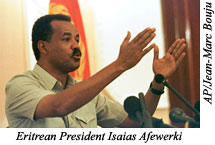
After five years, Eritrean journalists still jailed in secret prisons without due process
New York, September 15, 2006—Five years after Eritrea’s brutal crackdown on the independent press, the Committee to Protect Journalists today called for the release of 13 journalists held incommunicado in secret jails and two other journalists forced into extended military service. Basic information about the jailed journalists—most of whom were swept up in a September…