New York, October 1, 2026—The Committee to Protect Journalists urges Moroccan authorities to immediately end the unlawful surveillance of journalists, and hold those responsible to account. This demand follows a newly published Amnesty International report documenting the use of spyware and other surveillance methods by Morocco’s intelligence services to monitor journalists, human rights defenders, and other critical voices.
“Amnesty International’s findings provide a chilling picture of the scale and methods of surveillance targeting journalists in Morocco, and the devastating consequences for press freedom,” said CPJ Regional Director Sara Qudah. “Moroccan authorities must immediately end the unlawful surveillance of journalists. No journalist should ever face the threat of having their private lives, communications, and movements monitored and weaponized by authorities.”
The report identifies Morocco’s General Directorate for Territorial Surveillance (DGST), as responsible for deploying Pegasus spyware, as well as the use of digital and physical surveillance against journalists and human rights defenders.
The findings rely on a former DGST employee, forensic analysis, leaked surveillance data, and interviews with people targeted by surveillance, with an analysis of 103 Moroccan phone numbers, among which 22 journalists and media workers were identified as potential targets.
The investigation detailed extensive surveillance tactics, including spyware infection, phone interceptions, location tracking, and covert audio and video recording. Amnesty International also reported that information likely obtained through this surveillance was leaked to pro-government media to fuel smear campaigns against journalists and human rights defenders.
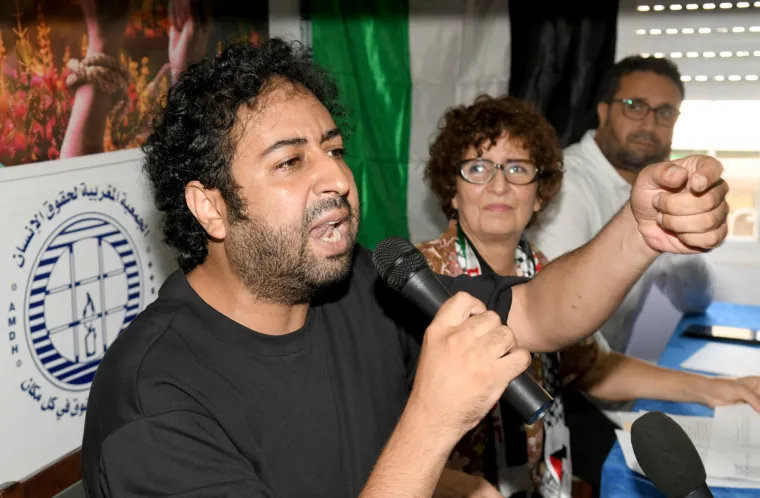
Omar Radi and Hicham Mansouri are among the journalists named in the investigation. Radi, a past target of Pegasus, reportedly had his apartment bugged with hidden microphones, while Mansouri told Amnesty International that years of persistent surveillance contributed to his self-censorship. Moroccan authorities have previously denied using spyware to target citizens.
CPJ calls on Moroccan authorities to:
- Immediately end the surveillance of journalists and other media workers
- Hold those responsible for unlawful surveillance and related abuses accountable
- Guarantee that journalists can work entirely free from surveillance, intimidation, harassment, and the weaponization of their private information to discredit them.
CPJ has previously documented the use of Pegasus spyware against Moroccan journalists, including Radi. Amnesty’s new investigation goes further, identifying the DGST as responsible for deploying the spyware and detailing a broader system of surveillance targeting journalists.
CPJ emailed the Moroccan Ministry of Interior for comment but did not receive a response.