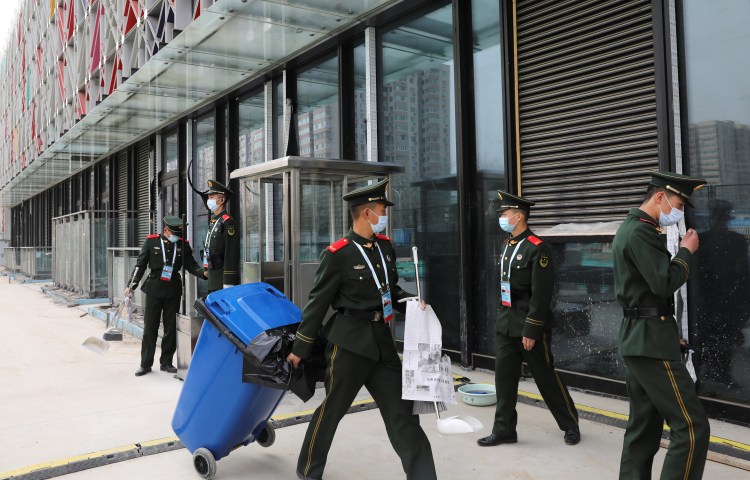
China’s Olympic press freedom pledges: Worthless in 2008, absent in 2022
Prospects for free-wheeling media coverage of the February Beijing Winter Olympics seem increasingly dim, not least because of the attitude of the International Olympic Committee. On October 13, John Coates, vice president of the International Olympic Committee, dismissed out of hand calls from CPJ, human rights groups, and US lawmakers to pressure Beijing over its…
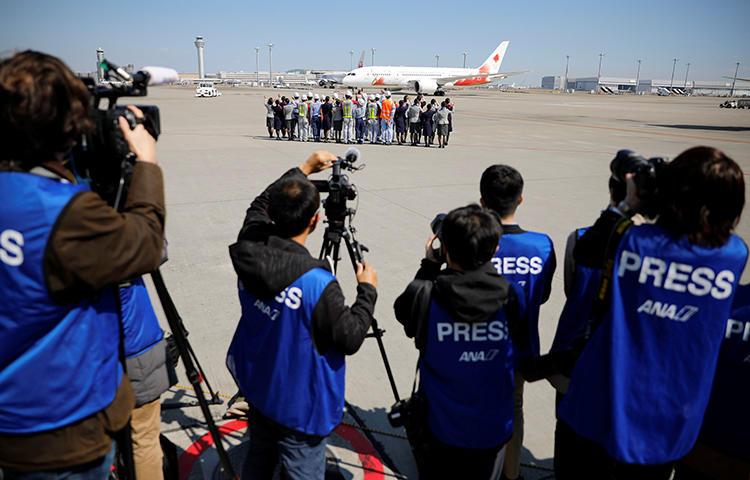
CPJ joins call for transparency in Olympics and other sport events amid COVID-19
The Sport and Rights Alliance, a coalition of non-governmental organizations co-founded by the Committee to Protect Journalists, issued a statement on March 20 calling on global sports organizations to maintain high standards of transparency and press accessibility amid the COVID-19 pandemic as assessments are made around sporting events, including the Tokyo 2020 Olympics.
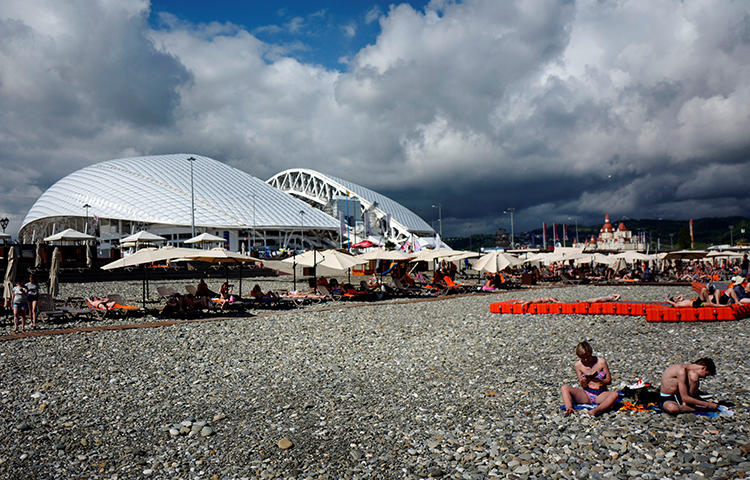
Russian authorities arrest Sochi blogger on extortion charges
New York, January 26, 2018–Russian authorities should immediately drop the charges against journalist Aleksandr Valov and release him from custody, the Committee to Protect Journalists said today. Authorities on January 19 detained Valov, the editor-in-chief and founder of a local news site BlogSochi, and, two days later, charged him with extortion, according to media reports.

CPJ joins coalition to establish sports and human rights center
The Committee to Protect Journalists today joined a coalition of international sport organizations, civil society, and governments that are establishing an independent Centre for Sport and Human Rights. In a statement published today, the Mega-Sporting Events Platform for Human Rights, which CPJ is part of, outlined its commitment to establishing the center in 2018.
CPJ calls on IOC to ensure press freedom at 2022 Winter Olympics in Beijing
New York, July 31, 2015–The Committee to Protect Journalists is concerned by the decision to award the 2022 Winter Olympic Games to Beijing and calls on the International Olympic Committee to ensure that journalists are able to freely cover all aspects of the Games, including sensitive issues such as construction of the venues, possible protests,…
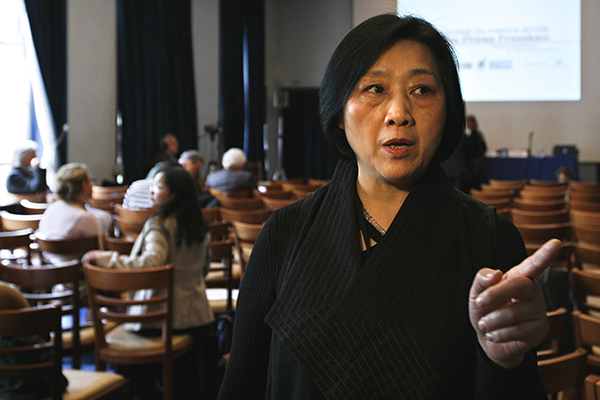
Jailed journalist Gao Yu saw what was coming. So should the IOC
Gao Yu was right, I was wrong. Gao, who was handed a seven-year prison sentence in a Beijing court on Friday, and I met at a conference organized by the World Association of Newspapers and News Publishers in Paris in April 2008, a few months before the Beijing Olympic Games were to get underway. CPJ…
Press freedom and the Olympic movement
The guiding document of the Olympic movement is the Olympic Charter, a 105-page compendium of rules and regulations, but also principles and ideals that go far beyond sports. For example, the Olympic Games are intended to foment “respect for universal fundamental ethical principles, non-discrimination, and the educational value of good example.” Under the Charter, host…
Viewing the London Olympics coverage from China
Chinese propaganda officials must be thrilled that they’re not responsible for the Olympics coverage in the British papers. Back during the Beijing Games, they worked hard to censor unrest and dissatisfaction in the domestic media. Reports of China’s press freedom and human rights abuses were blocked, the kind of information control idiomatically referred to as…