
CPJ, partners press Cambodia to release environmental reporter Ouk Mao
The Committee to Protect Journalists joined CamboJA and other partner organizations in a joint advocacy statement on May 22 urging Cambodia to free Ouk Mao, also known as Uk Mao, an environmental reporter with the local Intriplus News website. Plainclothes officers arrested Mao without a warrant on May 16. He is being held in pre-trial detention…
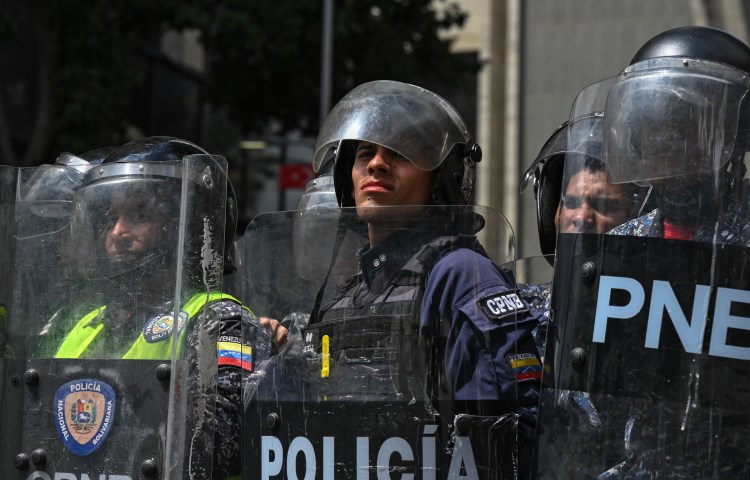
Venezuelan authorities detain, charge environmental journalist Luis Alejandro Acosta
Editor’s note: The Venezuela Press Workers Union posted on X, formerly known as Twitter, on September 21, that government authorities placed journalist Luis Alejandro Acosta on probation with a 15-day reporting schedule, a ban on publishing information about his arrest, and the obligation to request permission to leave the country. Bogotá, September 14, 2023—Venezuelan authorities must immediately…
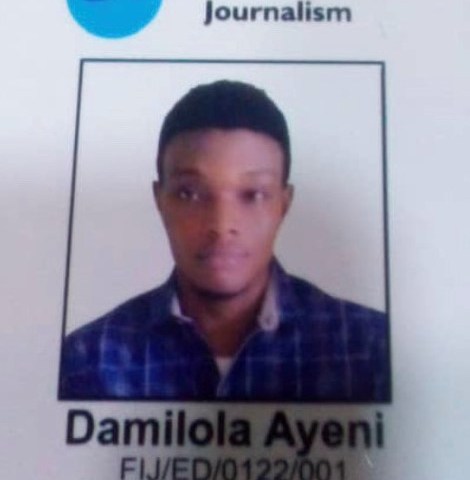
Nigerian journalist Damilola Ayeni arrested in Benin while reporting on environment
Abuja, September 7, 2023– Authorities in Benin must immediately and unconditionally release Nigerian journalist Damilola Ayeni, drop all charges against him, and allow him to work safely, the Committee to Protect Journalists said Thursday. On August 31, police officers in Benin’s north western Pendjari National Park arrested and detained Ayeni, an editor with the privately…
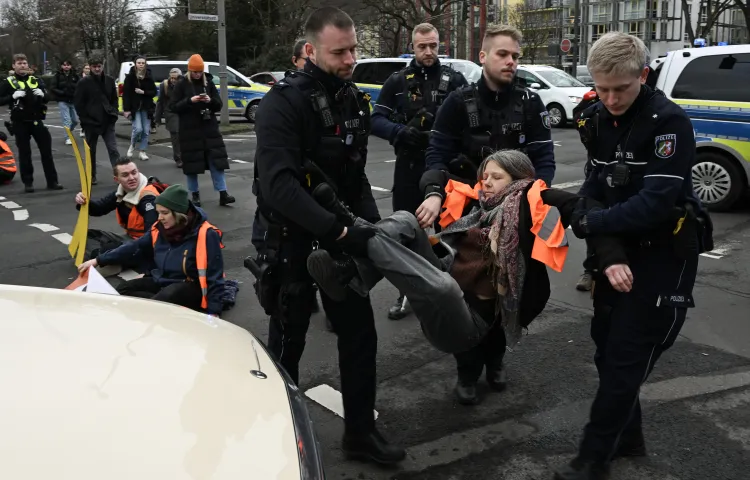
‘I am challenged at the court for simply doing my job’: Journalists covering climate issues in Europe face growing threats
Skyrocketing temperatures and catastrophic flooding have hammered home the realities of climate change in Europe, making environmental coverage one of the continent’s most important beats. It’s also an increasingly dangerous one as journalists face legal and physical harassment for reporting on polluters, amid other concerns. Of course, Europe isn’t the only place where journalists find…
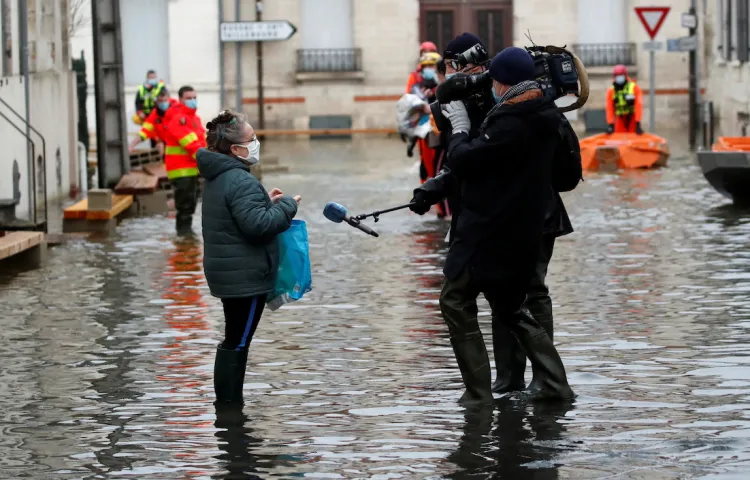
Physical Safety: Reporting during flash floods
Rising global temperatures are increasing the potential for flooding. Floods can occur not only during heavy rains, but also when ocean waves are being pushed onshore, when snow is melting quickly, or when dams or levees break. Flash floods are particularly dangerous, because they combine the destructive power of a flood with incredible speed. Flooding…
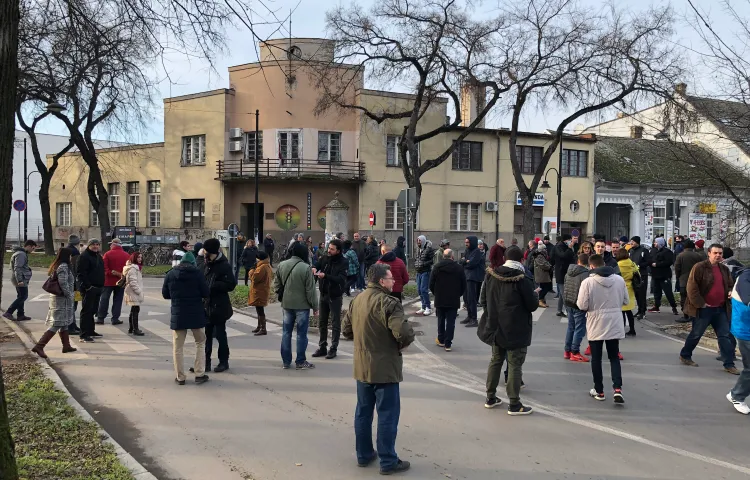
Serbian journalists charged over coverage of environmental protest
Berlin, May 9, 2022 – Serbian authorities should drop all criminal charges against journalists Sava Majstorov and Sara Mikić, and ensure that members of the press do not face legal retaliation over their work, the Committee to Protect Journalists said Monday. On April 12, authorities charged Mikić and Majstorov, reporters with the local news website…
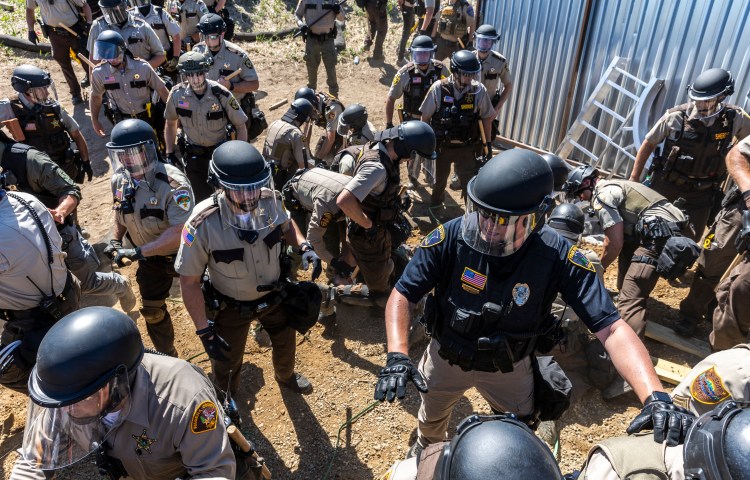
Journalist Alan Weisman arrested, strip-searched while covering anti-pipeline protest in Minnesota
Washington, D.C., June 11, 2021 — Authorities in Minnesota’s Hubbard County should explain their reasoning for detaining and strip-searching journalist Alan Weisman and drop all charges against him, the Committee to Protect Journalists said today. At about 5 p.m. on June 7, an officer with the local sheriff’s department in Hubbard County, Minnesota, arrested Weisman,…
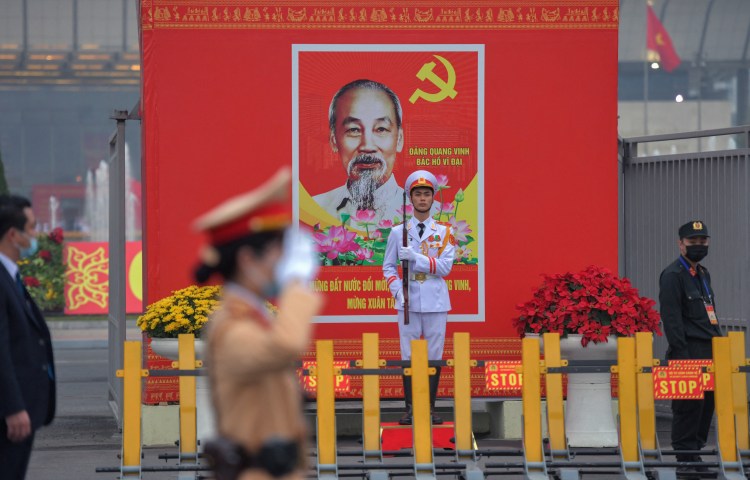
Vietnam sentences independent reporter Tran Thi Tuyet Dieu to 8 years in prison
Bangkok, April 26, 2021 – The Committee to Protect Journalists today strongly condemned the conviction and severe prison sentence given to Vietnamese journalist Tran Thi Tuyet Dieu and called for her immediate and unconditional release. On April 23, the People’s Court in Phu Yen province convicted Dieu under Article 117 of the penal code, an anti-state provision that bans “creating, storing and disseminating information and materials” against the state, and sentenced her…
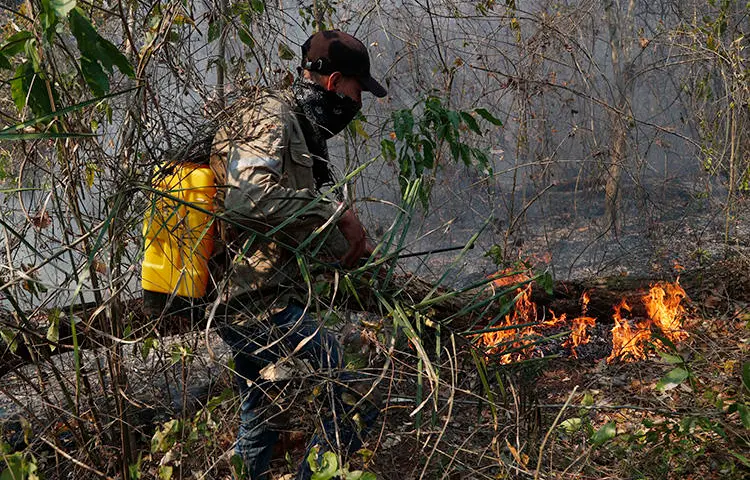
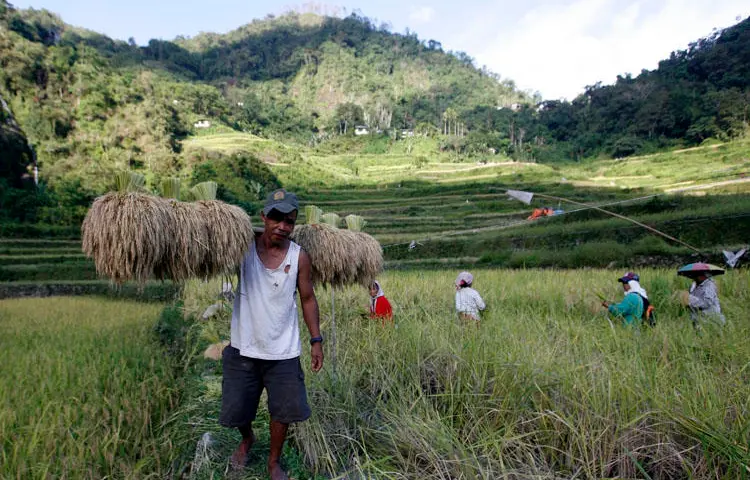
American journalist shot, critically wounded in Philippines
Bangkok, August 9, 2019 – An American journalist working in the Philippines was shot and critically wounded on August 6 while retrieving his daughter from school in the northern province of Ifugao, according to his outlet and other press reports.