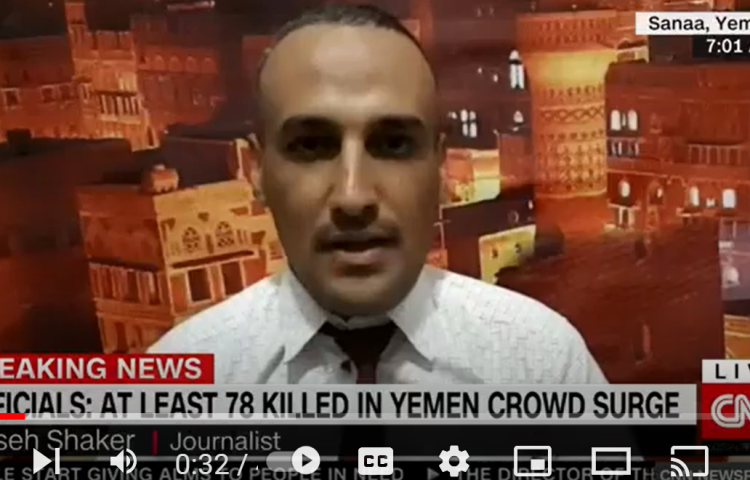
CPJ alarmed by disappearance of Yemeni journalist Naseh Shaker
New York, December 1, 2023—The Committee to Protect Journalists is deeply alarmed by the disappearance of Yemeni journalist Naseh Shaker and calls on the Southern Transitional Council (STC), the de facto authority in southern Yemen, to disclose his whereabouts. Shaker was last heard from on November 19, when he spoke to his mother at around…
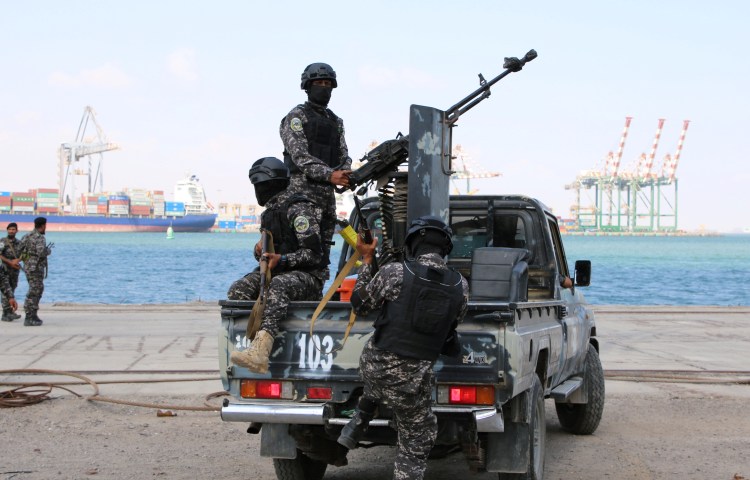
Two French journalists flee Yemeni island of Socotra after questioning, house arrest
On May 28, 2023, five armed soldiers and three police chiefs on the Yemeni island of Socotra arrested freelance journalist Quentin Müller and Sylvain Mercadier, co-founder and director of the independent Iraqi news website The Red Line, at their apartment, according to tweets by Müller and Mercadier, who communicated with CPJ via email. The authorities…
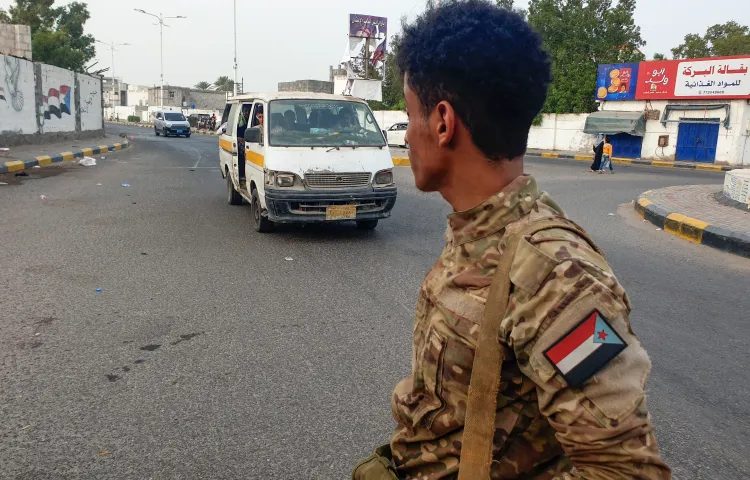
Security forces in Aden detain Yemeni journalist Ahmed Maher
New York, August 16, 2022 – Yemeni forces affiliated with the Southern Transitional Council should immediately release freelance journalist Ahmed Maher, the Committee to Protect Journalists said Tuesday. On August 6, security forces detained Maher and his older brother from Maher’s home in the Dar Saad neighborhood of Yemen’s southern port city of Aden without…

Yemeni journalist Tawfiq al-Mansouri health critical in Houthi detention
New York, August 1, 2022 – Members of Yemen’s Ansar Allah movement should release journalist Tawfiq al-Mansouri immediately and ensure he receives proper medical treatment, the Committee to Protect Journalists said Monday. Forces affiliated with the Ansar Allah movement, known as the Houthis, detained al-Mansouri, a graphic designer for the Al-Masdar newspaper and other outlets,…
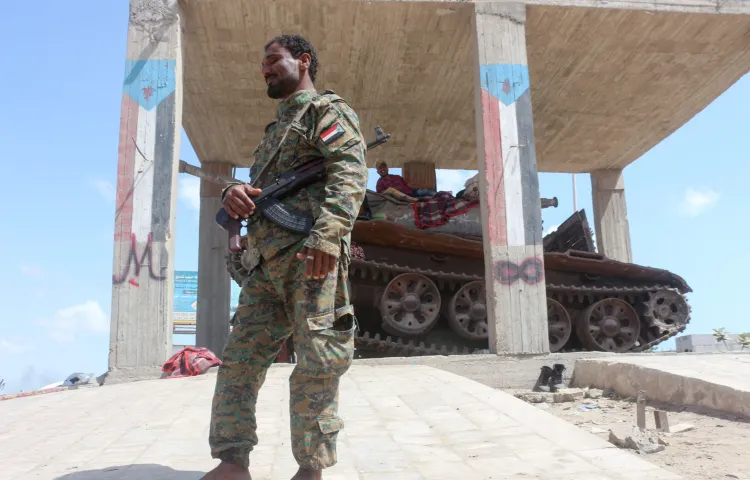
Journalist Saber al-Haidari killed in Yemen car bombing
New York, June 16, 2022 – All parties to the conflict in Yemen must stop targeting members of the press and ensure that journalist killings are fully investigated and those responsible are held to account, the Committee to Protect Journalists said Thursday. On Wednesday, June 15, a bomb planted in the car of Saber al-Haidari,…
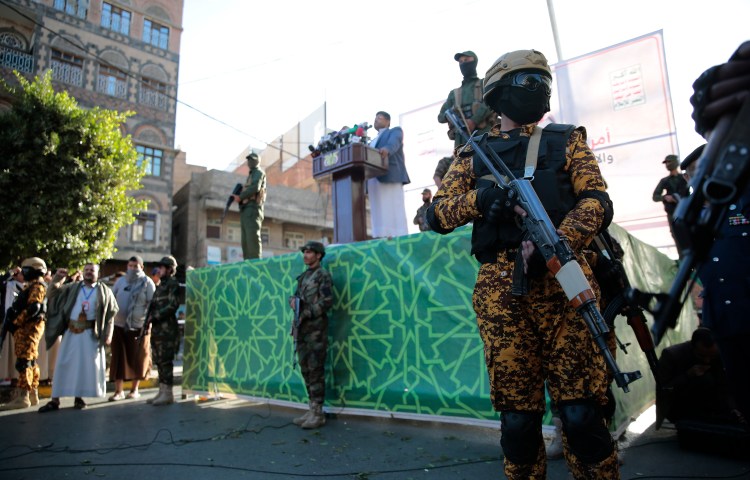
Yemen Houthi forces raid, shutter radio broadcasters
New York, February 2, 2022 – Yemen’s Houthi rebels must stop harassing and shuttering media outlets, and should allow all broadcasters to operate freely, the Committee to Protect Journalists said on Wednesday. On January 25, Houthi forces raided and shuttered at least five radio stations in Sanaa, the capital, according to the Media Freedom Observatory…
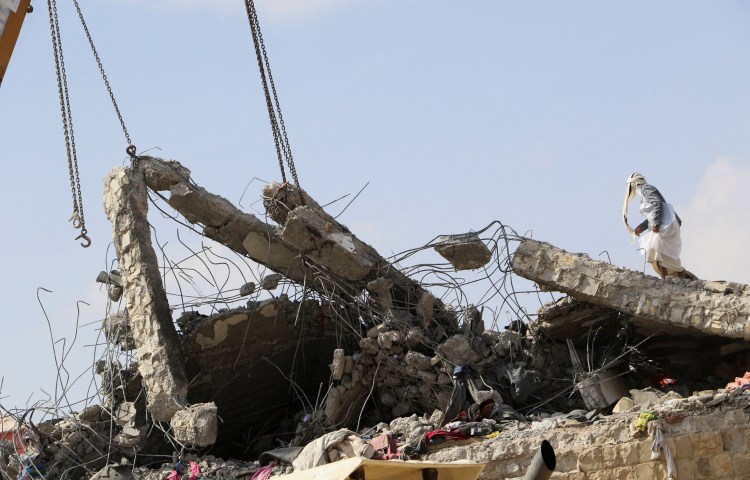
CPJ monitoring Yemen ‘with concern’ after Saudi airstrikes kill dozens and shut down internet
New York, January 21, 2022 – The Committee to Protect Journalists is monitoring with concern the aftermath of a series of Saudi-led coalition airstrikes that killed at least 70 people and cut off nearly all of Yemen’s internet access after hitting a telecommunication facility in the Red Sea port city of Hodeida on Friday. “Journalists…
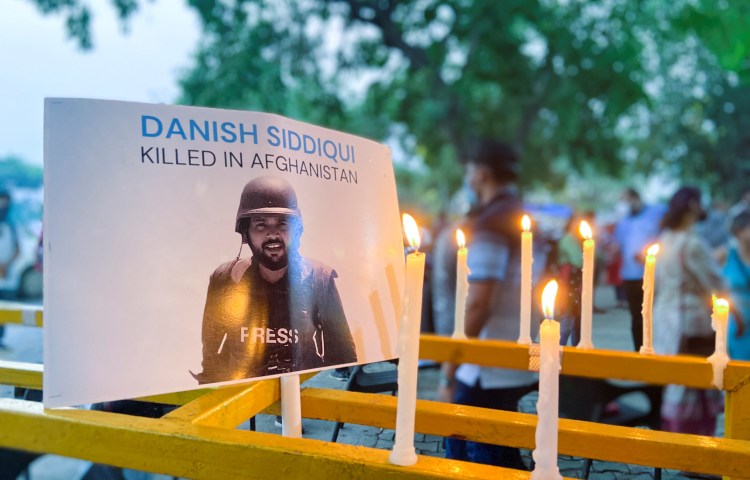
Attacks on the press: The deadliest countries in 2021
By Jennifer Dunham/CPJ Deputy Editorial Director Published January 19, 2022 At least 28 journalists were killed due to their work in 2021, with India and Mexico topping the list of countries with the most media worker deaths, according to the Committee to Protect Journalists’ final data for the year. Of the total – which has…
Yemeni journalist Hala Fuad Badhawi detained in Hadramout
New York, January 5, 2022 – Authorities in Hadramout, Yemen, should immediately and unconditionally release freelance journalist Hala Fuad Badhawi, the Committee to Protect Journalists said today. On December 30, 2021, military intelligence forces in Hadramout province detained Badhawi in the provincial capital, Mokalla, according to reports by the privately owned Yemeni newspapers Al-Masdar and…
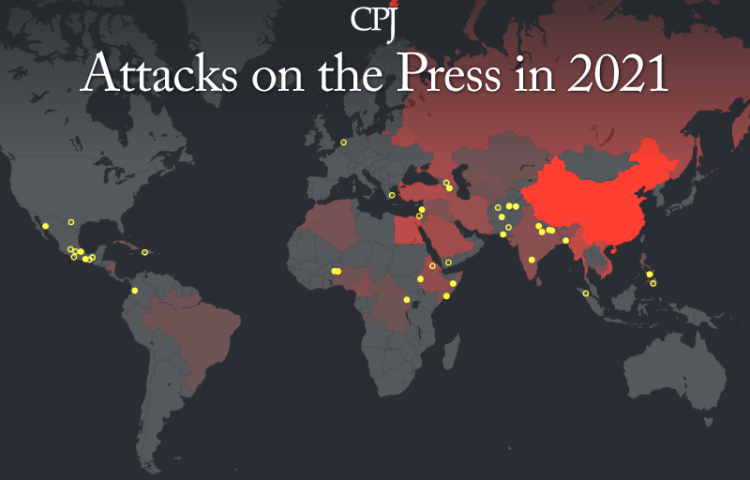
In Middle East and North Africa, a drop in attacks on journalists belies dire state of press freedom
The Middle East and North Africa region has long been especially dangerous for journalists. The Committee to Protect Journalists’ research has found that one out of every three reporters killed worldwide in retaliation for their work since 1992 — 477 out of 1,422, or 33.5% – were located in the region. That proportion rose to…