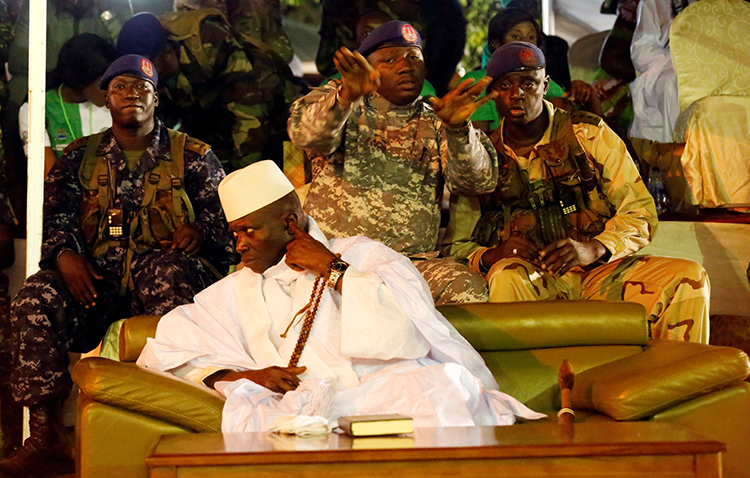
CPJ, 27 others urge Bahraini leaders to release journalist Abduljalil Alsingace
On April 3, the Committee to Protect Journalists joined 27 press freedom and human rights organizations in urging Hamad bin Isa Al Khalifa, the king of Bahrain, and Salman bin Hamad Al Khalifa, the crown prince and prime minister, to immediately release journalist Abduljalil Alsingace and ensure he receives urgent medical care. The statement was…
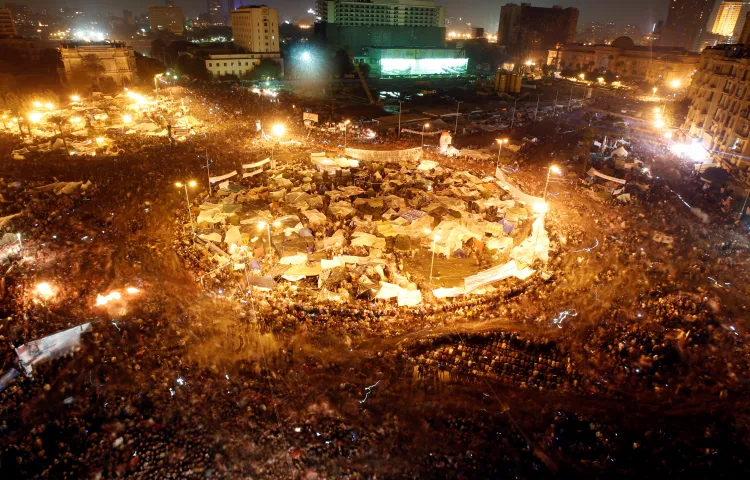
Ten years after the Arab Spring, the region’s media faces grave threats. Here are the top press freedom trends
In early February 2011, Alaa Abdelfattah was in Egypt’s Tahrir Square, documenting and participating in the nascent pro-democracy uprising that would topple the government and transform the country and the region. Today, he is in prison on anti-state and false news charges, which his family believes are partly retaliatory for his work. Abdelfattah is one of…
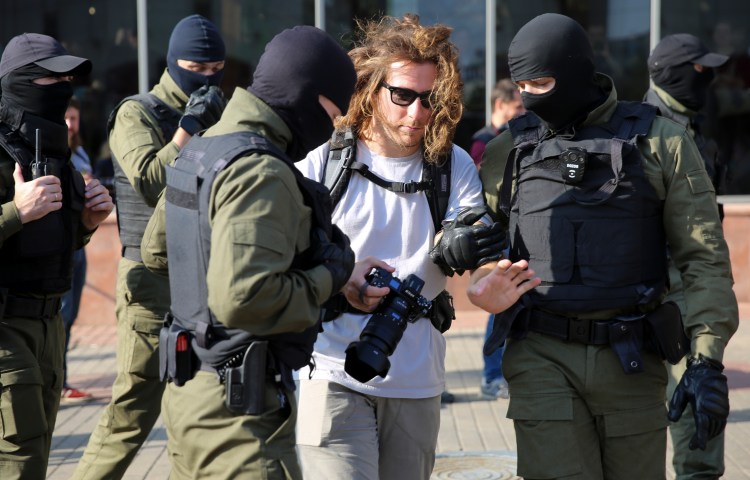
Record number of journalists jailed worldwide
Editor’s note: In 2019, CPJ published a new database of attacks on the press. Numbers for each subsequent prison census are liable to adjust yearly as CPJ learns of arrests, releases, or deaths in prison. For the most recent data, see cpj.org/data/imprisoned/. The number of journalists jailed globally because of their work hit a new high in 2020…
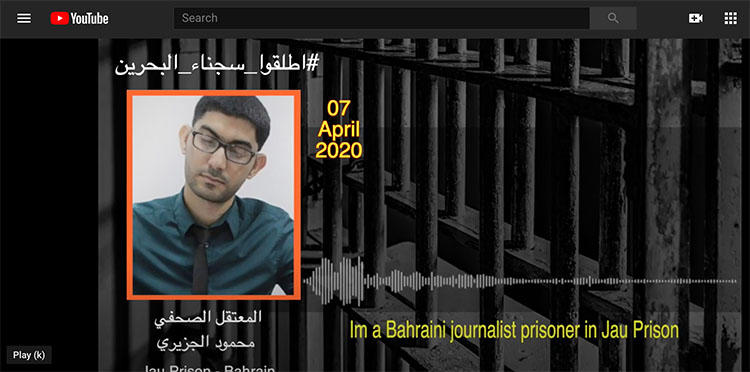
Bahrain puts imprisoned journalist in solitary confinement after reporting on COVID-19 danger
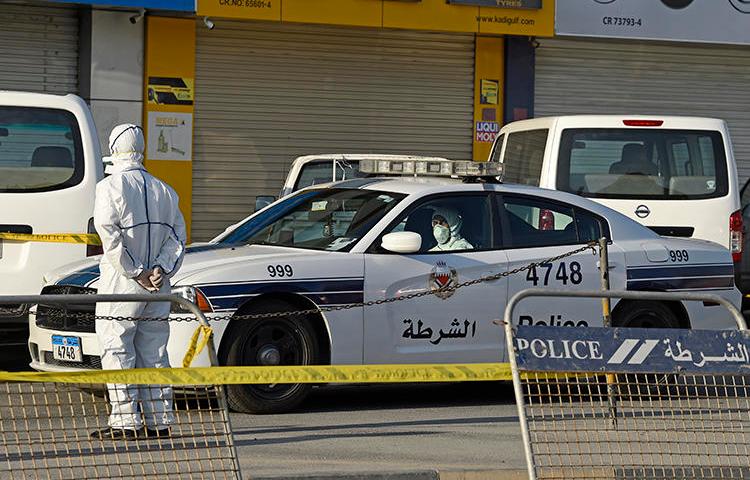
New York, April 10, 2020 – Bahraini authorities should immediately stop retaliating against imprisoned journalist Mahmoud al-Jaziri for reporting on conditions inside Bahraini prisons and should free all journalists imprisoned for their work, the Committee to Protect Journalists said today.
Bahraini journalist Ibrahim al-Sheikh believed to be detained on false news charges
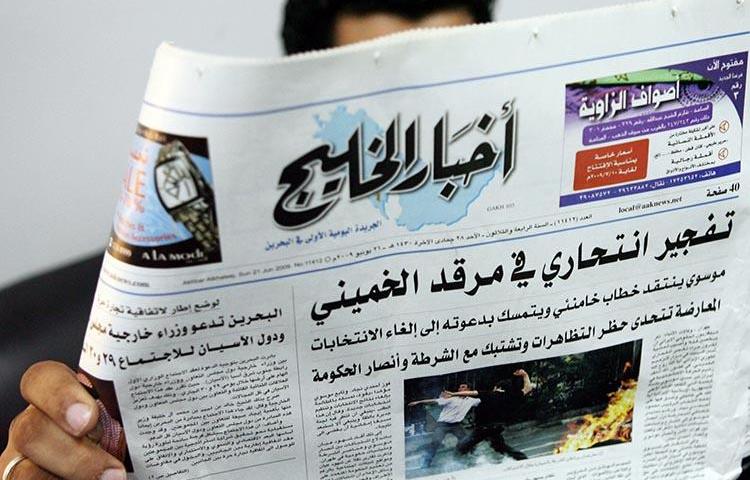
New York, April 17, 2019 — Bahraini authorities must immediately clarify whether they are detaining Akhbar al-Khaleej columnist Ibrahim al-Sheikh and, if so, release him immediately, the Committee to Protect Journalists said today.
Saudi control of Arab media, lamented by Khashoggi, shapes coverage of his death
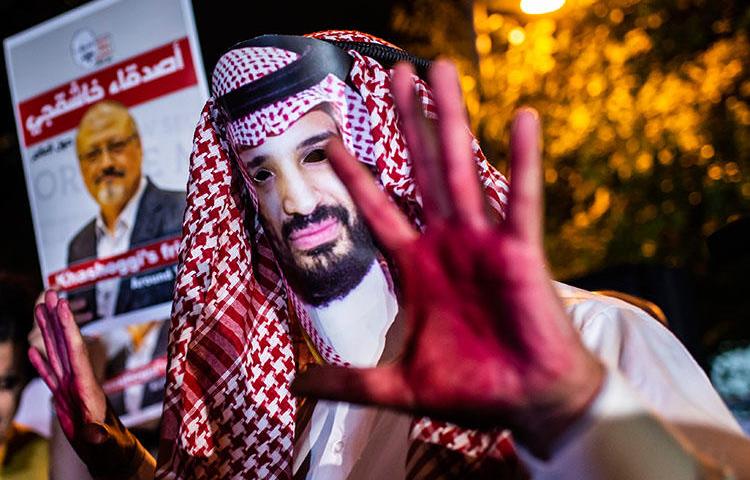
It is a cruel irony that Jamal Khashoggi’s last unpublished column for The Washington Post was a call for press freedom in the Arab world. His homeland, Saudi Arabia, has spent the last three decades and hundreds of millions of dollars to ensure that never happens.
CPJ Safety Advisory: Pegasus spyware used to target journalists, civil society
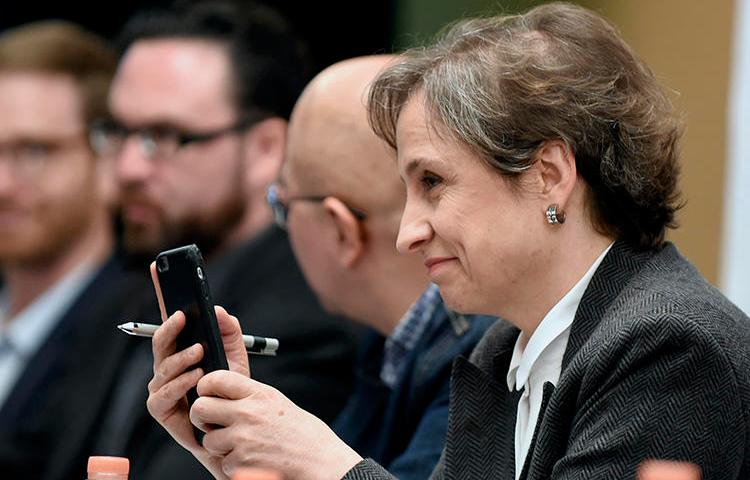
[EDITOR’S NOTE: See CPJ’s updated safety advisory here https://cpj.org/2019/11/cpj-safety-advisory-journalist-targets-of-pegasus-.php.] In a report published on September 18, Citizen Lab said it had detected Pegasus, a spyware created for mobile devices, in over 45 countries. Pegasus, which transforms a cellphone into a mobile surveillance station, could have been deployed against a range of journalists and civil society…
Undiscoverable: How Al-Jazeera’s Snapchat channel disappeared from three Gulf nations
Search for “Al-Jazeera” on Snapchat, and the first result that comes up is a ubiquitous publisher channel in the app’s famed vertical layout. That is, unless you are in Saudi Arabia, the United Arab Emirates (UAE), or Bahrain. Users in these counties are instead offered a list of stores and restaurants that bear a similar…