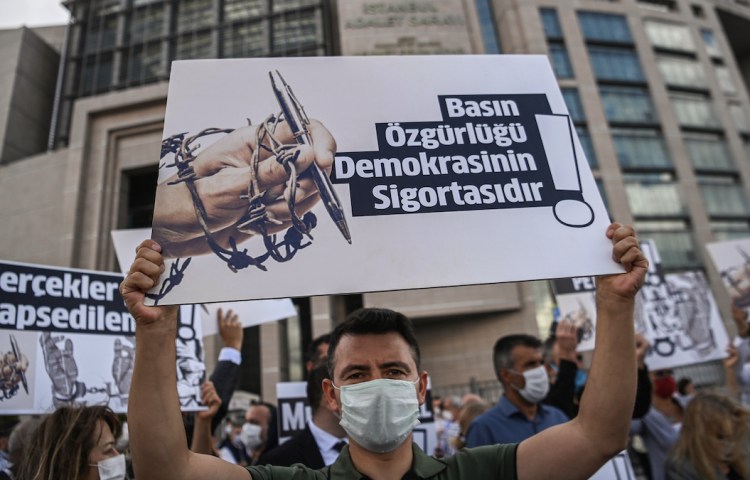
Drop in jailed Turkish journalists belies a long-simmering press freedom crisis
In CPJ’s 2023 annual prison census, Turkey was the world’s 10th worst jailer of journalists—its most press-friendly ranking in almost a decade—with 13 behind bars, down from 40 the previous year. But the latest numbers don’t tell the full story. Turkey has consistently vied with China for the top slot in CPJ’s list of shame…
Faces of impunity across the world
CPJ’s 2023 Global Impunity Index lists the top 12 countries where the murderers of journalists go free. But impunity knows no borders. The mosaic below shows the faces of slain journalists around the world. Beneath each journalist’s photo is the location of their death. Click the images for more details about these unsolved cases. (Photo grid by Geoff McGhee)
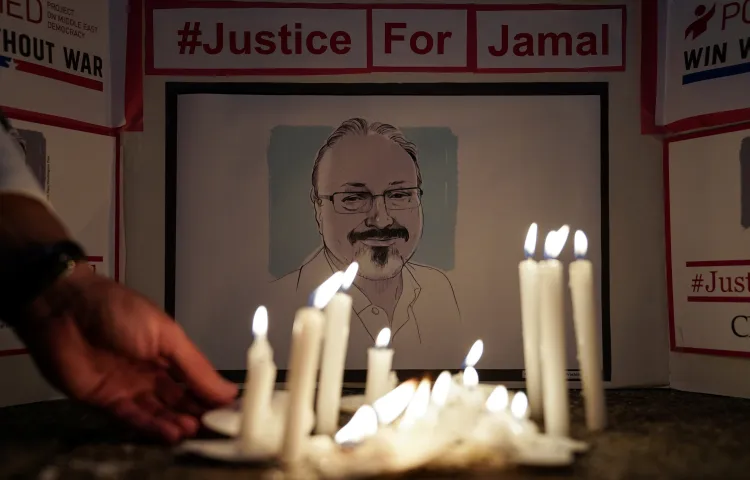
Mahoney: Biden’s Saudi policy stymies quest for Khashoggi justice
From pariah to potential partner. That’s how far Saudi Arabia has come for President Joe Biden in the five years since Riyadh sent a death squad to butcher journalist Jamal Khashoggi. The administration’s ongoing rehabilitation of the petrodollar kingdom and its de facto ruler Crown Prince Mohammed bin Salman, widely known as MBS, seems to…
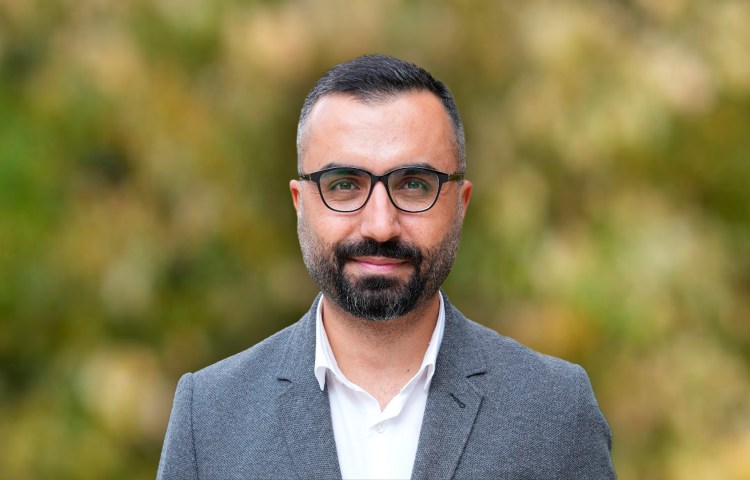
CPJ joins call for Turkey to ensure safety of threatened journalist Alican Uludağ
The Committee to Protect Journalists joined five press freedom groups on Friday in a joint statement calling on the authorities in Turkey to ensure that journalist Alican Uludağ is safe, as he has been receiving online threats since he was publicly targeted by two politicians from the government-allied Nationalist Movement Party (MHP) because of his…

Tipping the scales: Journalists’ lawyers face retaliation around the globe
The smears began the day Christian Ulate began representing jailed Guatemalan journalist José Rubén Zamora: tweets accusing the lawyer of being a leftist or questioning his legal credentials. He began to fear he was being surveilled. Ulate had taken over the case in August 2022 from two other lawyers, Romeo Montoya García and Mario Castañeda,…

CPJ joins statement calling for EU to prioritize media freedom and human rights in relations with Turkey
The Committee to Protect Journalists joined 19 other journalists organizations and press freedom, human rights, and freedom of expression groups in a joint statement on June 28, 2023, urging the European Union to prioritize media freedom and human rights in dealings with Turkey, following May elections in which President Recep Tayyip Erdoğan and his Justice…
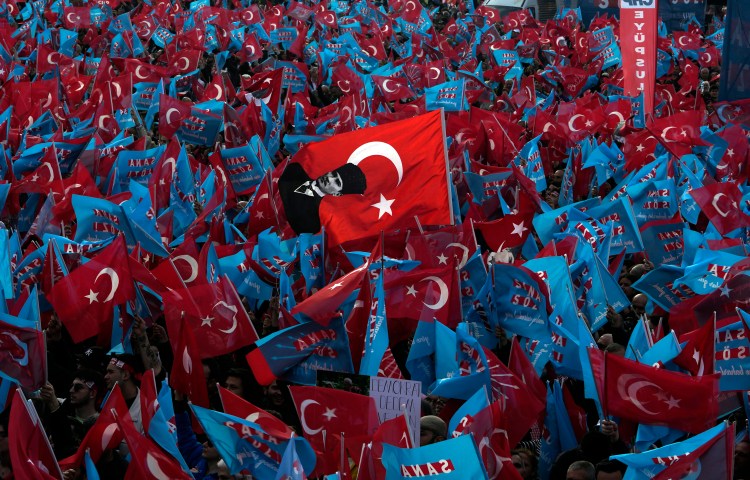
In Turkey, cautious optimism that tough election could be good for press freedom
Turkey’s powerful Recep Tayyip Erdoğan and his Justice and Development Party (AKP) are facing one of the toughest challenges of their two decades in office. Polls ahead of the country’s May 14 presidential and parliamentary elections suggest that the president and his long-ruling party could lose to the opposition coalition of Kemal Kılıçdaroğlu, leader of…
CPJ joins call for Turkey’s internet authority to protect end-to-end encrypted services
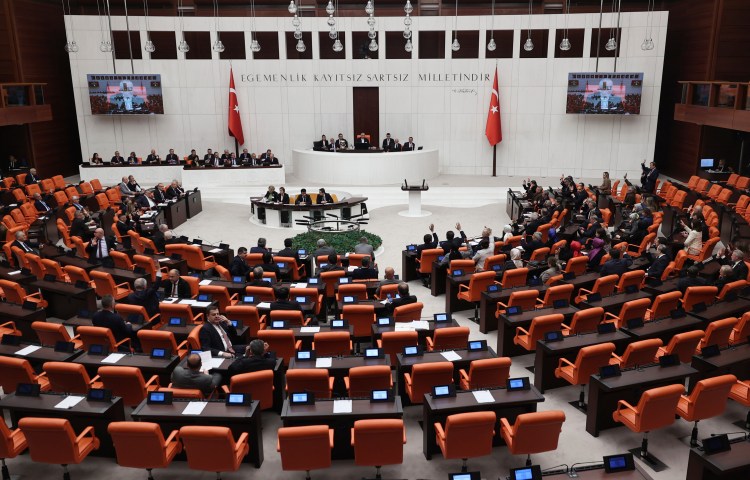
The Committee to Protect Journalists joined 26 human rights, press freedom, and internet freedom organizations in urging Turkey’s internet regulator Communication Technologies Authority (BTK), to protect end-to-end encrypted services in light of recent legislation. In October 2022, Turkey’s parliament passed a 40-article bill that included amendments providing more detail about the existing obligations of social…
CPJ joins statement calling for Turkey’s media watchdog to stop punishing broadcasters over critical reporting
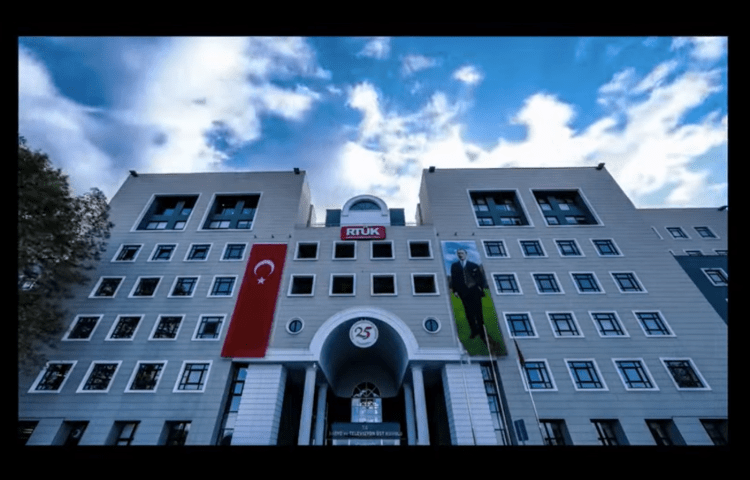
The Committee to Protect Journalists joined 20 other press freedom, freedom of expression, and human rights organizations as signatories of a joint statement urging the Radio and Television Supreme Council (RTÜK), Turkey’s media regulator, to end its punishments of broadcasters for critical reporting. The statement said RTÜK recently fined broadcasters FOX TV Turkey, Halk…

Newly released from Turkish prison, Kurdish journalist Nedim Türfent reflects on sham prosecution
Nedim Türfent knows why he spent six and a half years of his life behind bars as a convicted terrorist in Turkey. The court that sentenced him explained the verdict in official documents: Because he writes “exaggerated and disturbing news stories” about the state. After his prison term ended in November 2022, “It was…