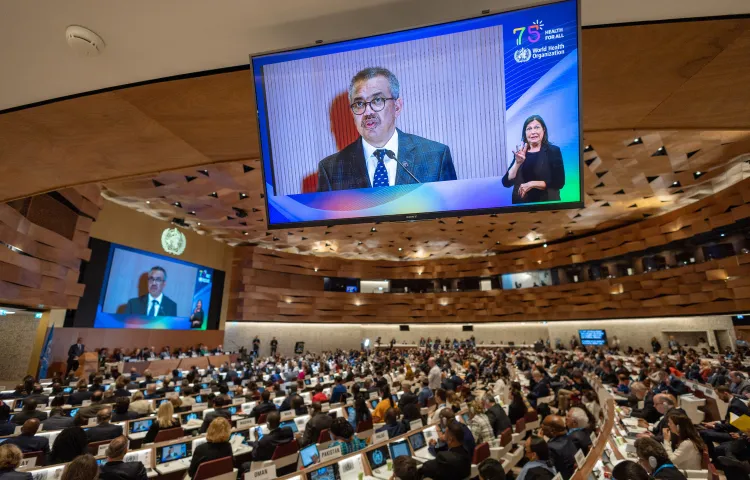
World Health Organization denies entry to 2 Taiwanese journalists
Taipei, May 23, 2023—The World Health Organization should ensure that all journalists can freely cover the organization’s annual gathering and should not allow the press accreditation process to be used as a political tool, the Committee to Protect Journalists said Tuesday. On Monday, May 22, United Nations officials pulled reporters Judy Tseng and Tien Hsi-ju…
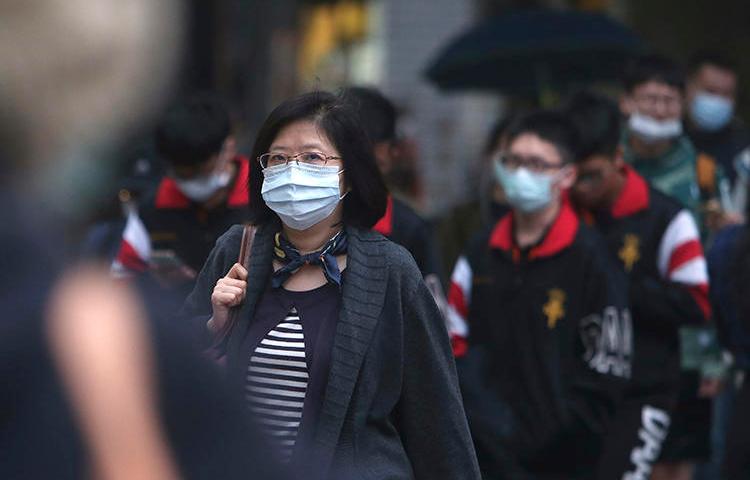
Reporter Brian Hioe on dealing with misinformation in Taiwan amid pandemic
Brian Hioe is an editor for the New Bloom Magazine, a news website that covers social issues, politics, and culture in the Asia Pacific region. He also works as a freelance journalist in Taiwan, where the government has been praised for its responses to the COVID-19 pandemic.
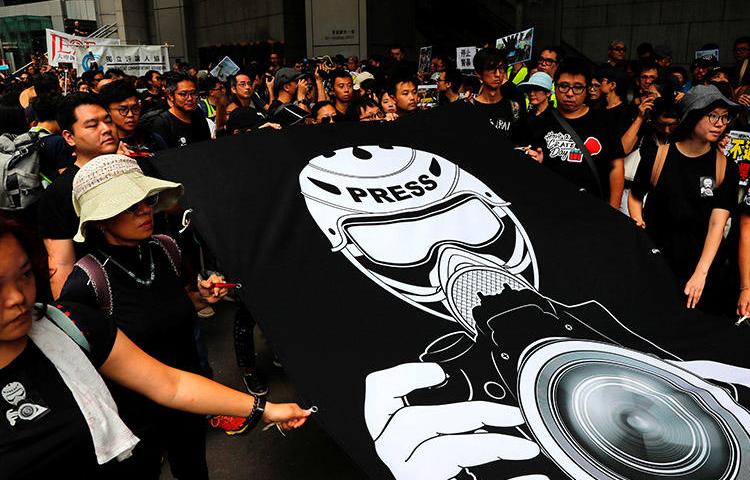
One Country, One Censor: How China undermines media freedom in Hong Kong and Taiwan
Understanding how China tries to influence the media is a first step to preserve press freedom. Hong Kong and Taiwan are on the frontlines of this battle. In deeply polarized Hong Kong, journalists are under pressure as independent outlets struggle to counteract strong pro-Beijing influence. And Taiwan must navigate how to maintain its openness and…
One Country, One Censor: About This Report
Understanding how China tries to influence the media is a first step to preserve press freedom. Hong Kong and Taiwan are on the frontlines of this battle. In deeply polarized Hong Kong, journalists are under pressure as independent outlets struggle to counteract strong pro-Beijing influence. And Taiwan must navigate how to maintain its openness and…
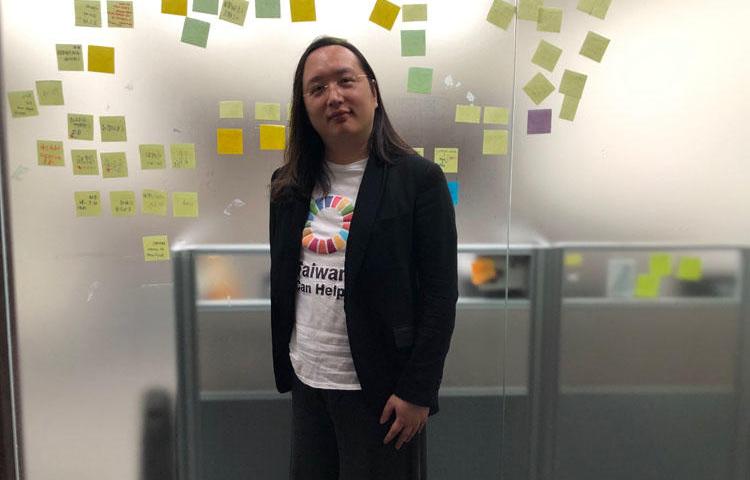
Q&A: Taiwan’s digital minister on combatting disinformation without censorship
Audrey Tang prefers precise language. During an interview, Taiwan’s minister without portfolio – Tang’s name card simply says “digital minister” – makes a swift correction when we mention the term “fake news.” The preferred term is “disinformation” because, Tang says, it has a legal definition in Taiwan: “That is to say, intentional, harmful untruth, and…
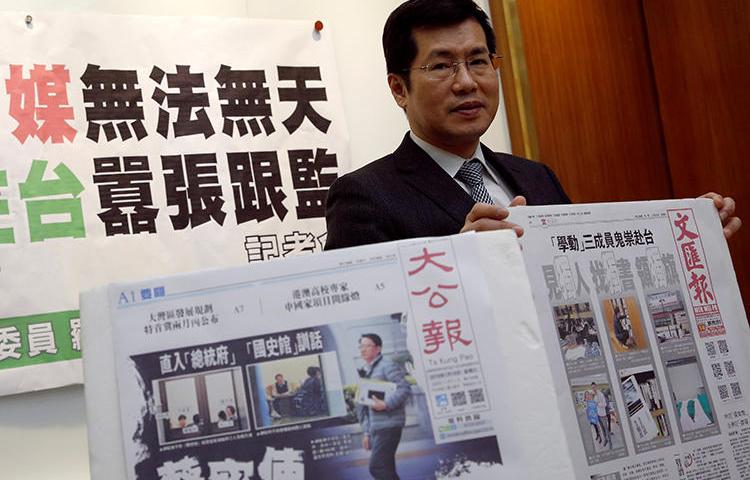
Taiwan accuses Beijing-sponsored Hong Kong newspapers of disseminating misinformation, opens immigration investigation into journalists
On January 17, 2019, Taiwan’s presidential office issued a statement on Facebook accusing Ta Kung Pao, a Hong Kong newspaper funded by Beijing, of fabricating a story alleging that Taiwan President Tsai Ing-wen secretly sent an envoy to advise three Hong Kong independence activists. The Taiwan government is currently investigating whether the journalists violated immigration…
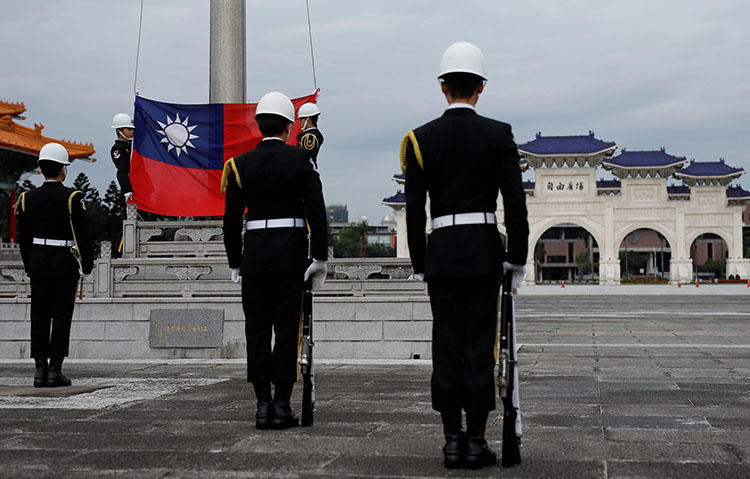
Taiwanese journalists barred from UN aviation agency assembly
New York, September 26, 2016 – The International Civil Aviation Organization should allow journalists to cover its events regardless of where they are from or where their employers are located, the Committee to Protect Journalists said today. The UN agency, which is responsible for setting global safety standards, yesterday refused to accredit two journalists for…

We’re live from Taipei! Please don’t tell China’s censors
Typically, news organizations like to promote original reporting. When an outlet covers a breaking news event at the time and from the place where the event is happening, they want their audience to know. However, for Chinese commercial media that covered this weekend’s presidential election in Taiwan, this was apparently not the case.