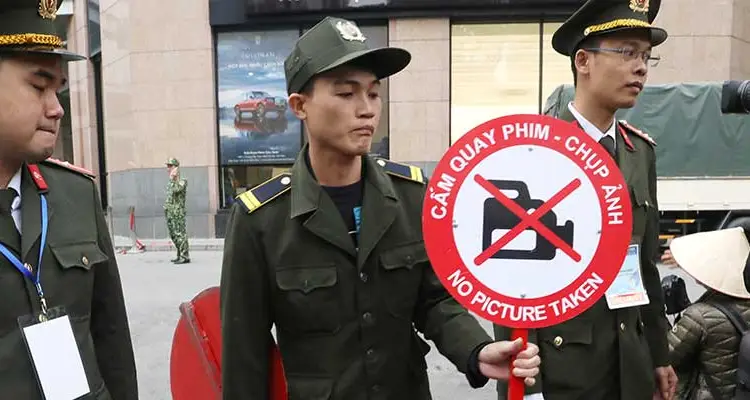
10 Most Censored Countries
Repressive governments use sophisticated digital censorship and surveillance alongside more traditional methods to silence independent media. A special report by the Committee to Protect Journalists. Published September 10, 2019 Eritrea is the world’s most censored country, according to a list compiled by the Committee to Protect Journalists. The list is based on CPJ’s research into the…
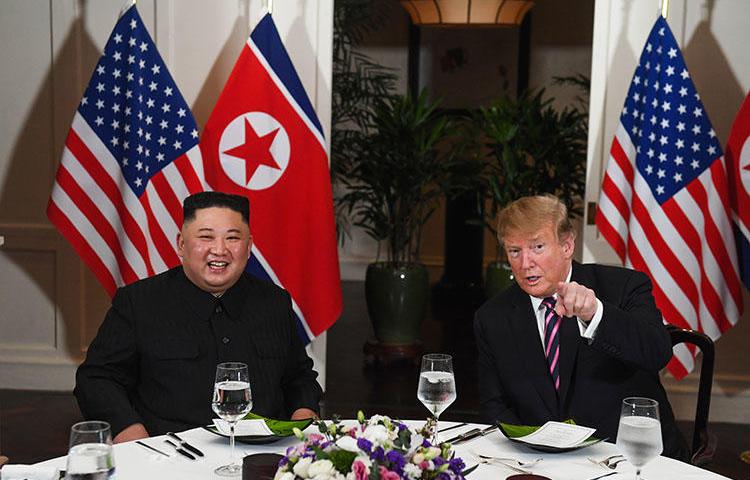
White House setting wrong example at Trump-Kim summit in Hanoi
Washington, D.C., February 27, 2019–The White House today barred four journalists from covering a dinner in Hanoi between President Donald Trump and North Korean leader Kim Jong Un, citing “sensitivities over shouted questions,” according to news reports. The unusual move came a day after Vietnamese officials relocated the White House press corps filing center from…
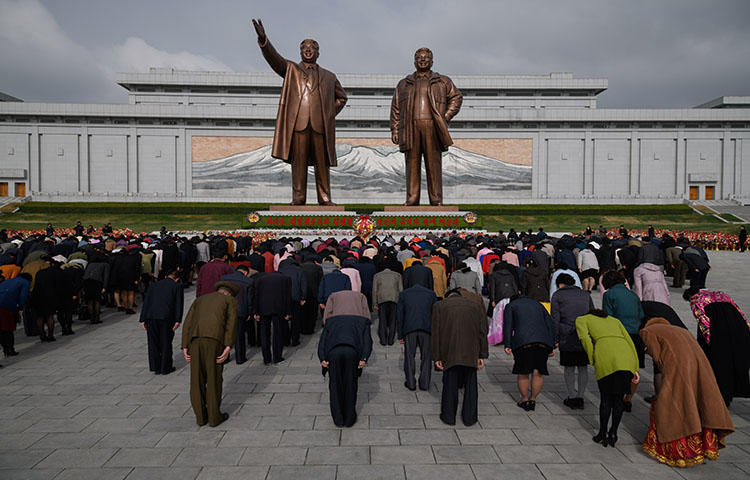
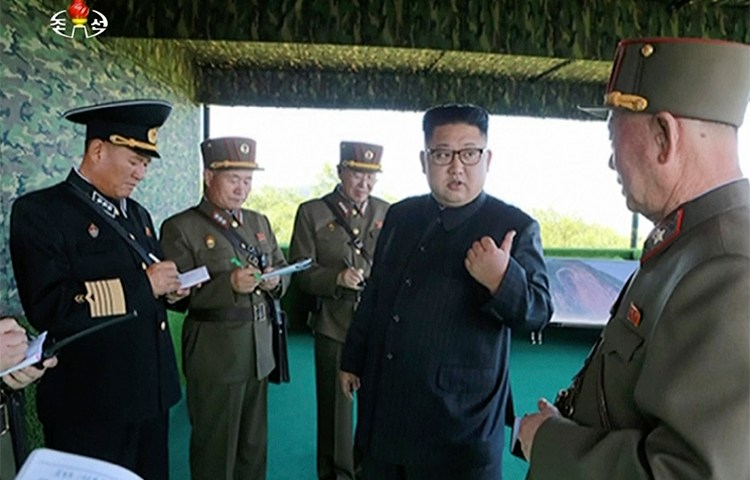
North Korea sentences two South Korean journalists to death in absentia
New York, September 1, 2017–A North Korean court has sentenced the South Korean journalists Son Hyo-rim, of Dong-A Ilbo, and Yang Ji-ho, of Chosun Ilbo, and the papers’ respective director generals, Kim Jae Ho and Pang Sang Hun to death, the country’s state media reported yesterday. The Committee to Protect Journalists condemned the sentences and…
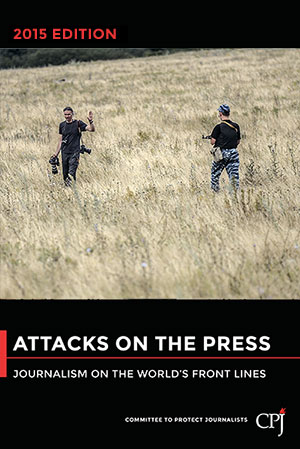
News from the Committee to Protect Journalists, April 2015
CPJ launches annual publication Attacks on the Press At a U.N. press conference on April 27 to launch CPJ’s annual publication Attacks on the Press, CPJ Executive Director Joel Simon called on the U.N. Security Council to include in its May 27 debate on Journalist Safety a warning to states that they should not use…
10 Most Censored Countries
10 Most Censored Countries 1. Eritrea 2. North Korea 3. Saudi Arabia 4. Ethiopia 5. Azerbaijan 6. Vietnam 7. Iran 8. China 9. Myanmar 10. Cuba Methodology » See updated list of 10 Most Censored Countries at https://cpj.org/reports/2019/09/10-most-censored-eritrea-north-korea-turkmenistan-journalist.php. The 2015 list of 10 Most Censored Countries is part of CPJ’s annual publication, Attacks on the…
Signs of change in North Korea
CPJ may have raised some eyebrows with this year’s list of the world’s 10 most censored countries. North Korea was relegated to the number two slot, behind Eritrea. In our last ranking, in 2006, we ranked North Korea as the worst, and many other organizations continue to do that.