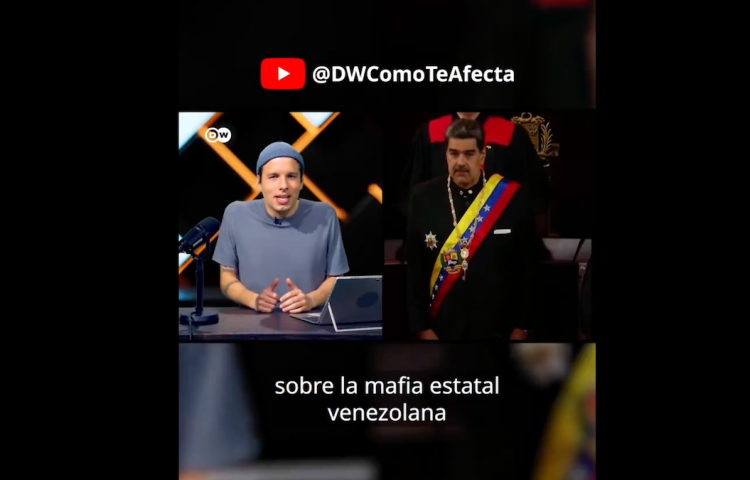
Venezuela pulls German TV station Deutsche Welle off the air after critical report
Bogotá, March 7, 2024—The Venezuelan government must allow German public broadcaster Deutsche Welle and other international news channels to broadcast freely in the country, the Committee to Protect Journalists said Thursday. On Monday, DW’s Spanish-language TV channel posted a video on X calling Venezuela “the world’s second most corrupt country” and reporting that high-ranking politicians…
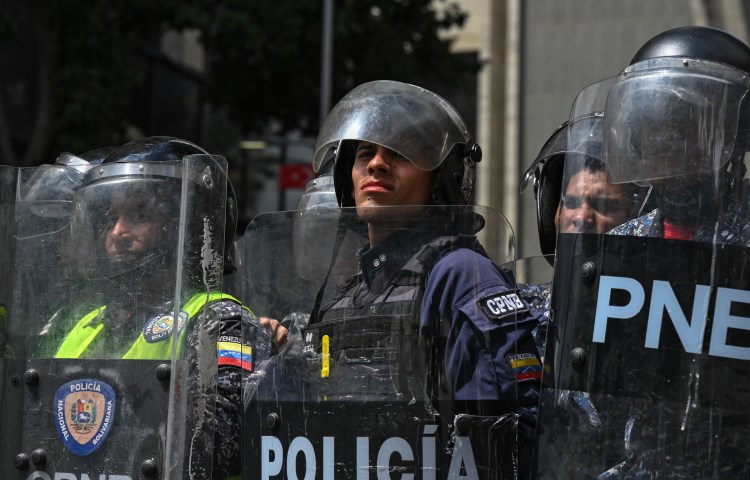
Venezuelan authorities detain, charge environmental journalist Luis Alejandro Acosta
Editor’s note: The Venezuela Press Workers Union posted on X, formerly known as Twitter, on September 21, that government authorities placed journalist Luis Alejandro Acosta on probation with a 15-day reporting schedule, a ban on publishing information about his arrest, and the obligation to request permission to leave the country. Bogotá, September 14, 2023—Venezuelan authorities must immediately…
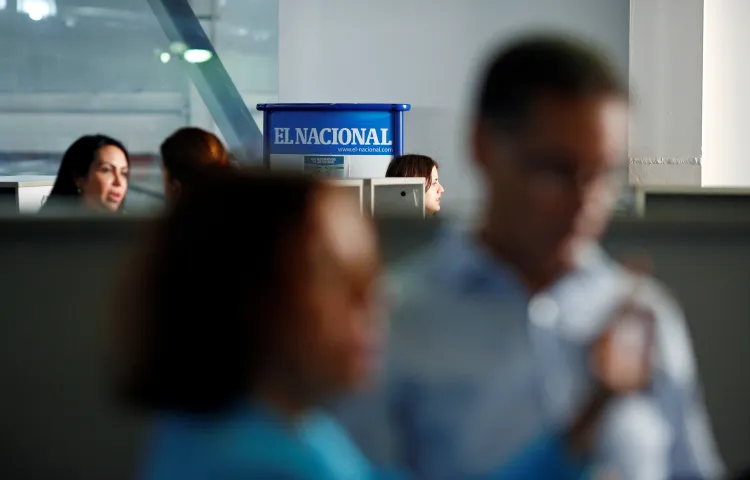
Venezuelan authorities question 2 El Nacional employees, summon 3 others
Bogotá, January 27, 2023 — Venezuelan authorities must drop their criminal investigation into two editors, three reporters, and an administrative employee of the El Nacional news website and allow them to continue their work free of intimidation, the Committee to Protect Journalists said Friday. On Wednesday, January 25, officers of Venezuela’s investigative police unit detained…
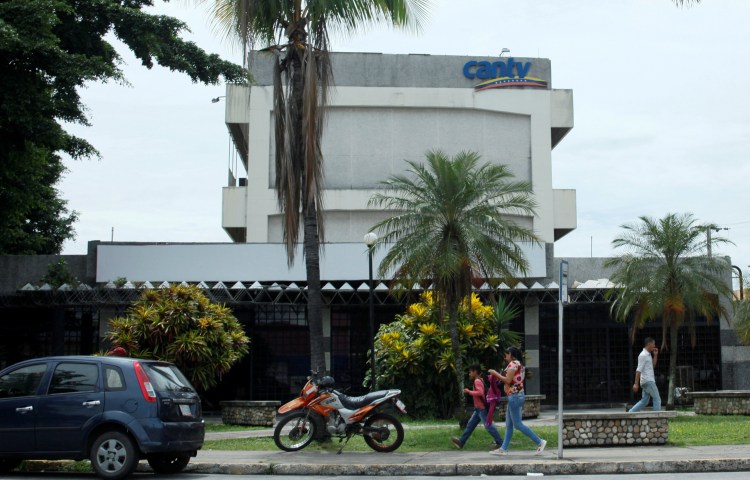
How Venezuela’s government uses private internet providers to restrict access to the news
After seven years of painstakingly building up its audience, Crónica Uno, one of the only high-quality news websites that caters to poor and working-class Venezuelans, was recording up to 15,000 unique page views per day. But after private internet service providers (ISPs) teamed up with Venezuela’s authoritarian government in February to block Crónica Uno and…
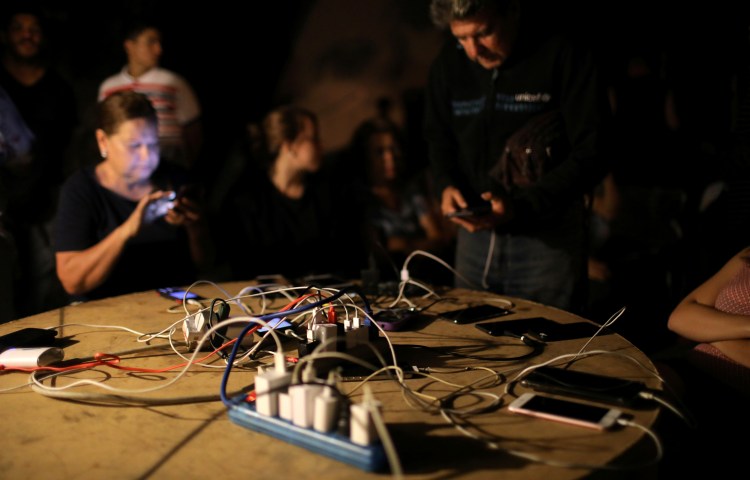
Independent Venezuelan news sites blocked by state-controlled and private service providers
Bogotá, February 4, 2022 – Fresh blocks on a handful of Venezuela’s few remaining independent news websites are a troubling sign of escalating press censorship, the Committee to Protect Journalists said Friday. Journalists and experts say private internet service providers (ISPs) are censoring the sites for the first time, though they have been unavailable on…
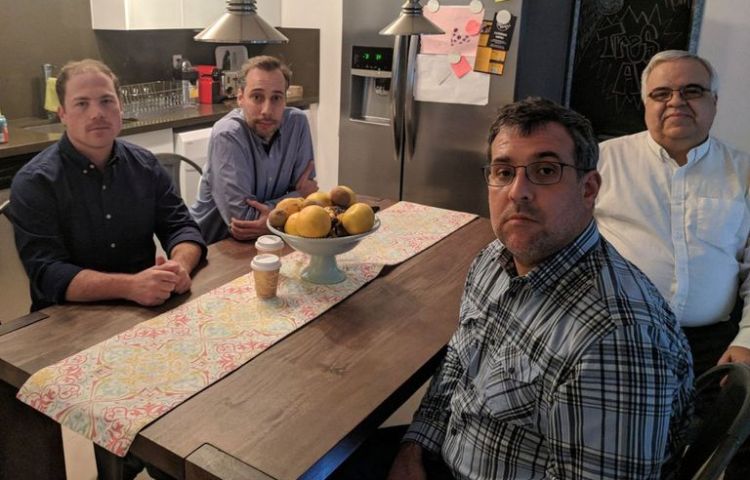
Venezuelan authorities issue arrest warrant for journalist Roberto Deniz, raid family home
Miami, October 19, 2021 – Venezuelan authorities must drop the criminal investigation into journalist Roberto Deniz, stop harassing him and his family, and allow him to continue his journalism work free of intimidation, the Committee to Protect Journalists said today. On October 14, a criminal court in the capital of Caracas issued an arrest warrant…
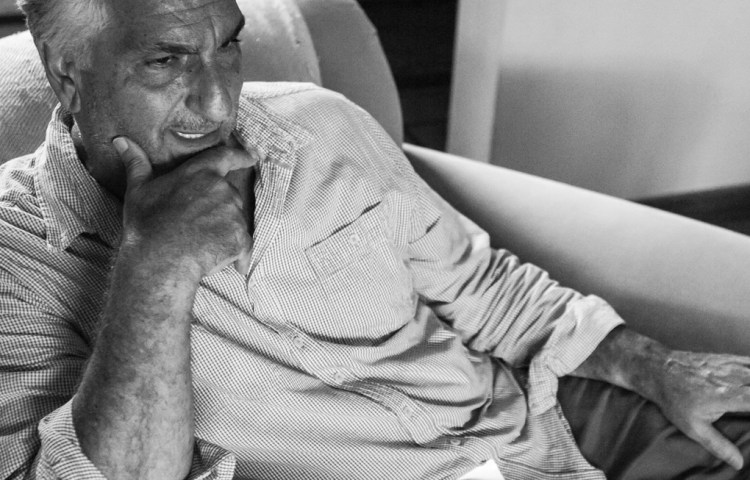
CPJ welcomes acquittal of Venezuelan journalist Braulio Jatar
Miami, September 13, 2021 — In response to the recent acquittal of Venezuelan journalist Braulio Jatar, the Committee to Protect Journalists issued the following statement: “We are relieved that the Venezuelan government’s torturous five-year legal harassment of journalist Braulio Jatar is finally over,” said CPJ Program Director Carlos Martinez de la Serna, in New York….
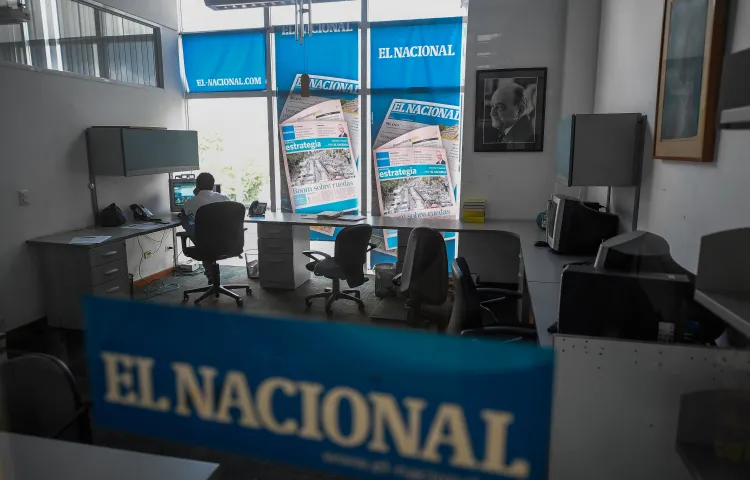
Venezuelan authorities seize headquarters of El Nacional as damages in defamation suit
Miami, May 17, 2021 Top of Form— Venezuelan authorities should ensure that civil defamation suits cannot be abused to censor news outlets, and should return El Nacional’s headquarters to its owners immediately, the Committee to Protect Journalists said today. At about 7 p.m. on May 14, National Guard agents executing an order issued by a…
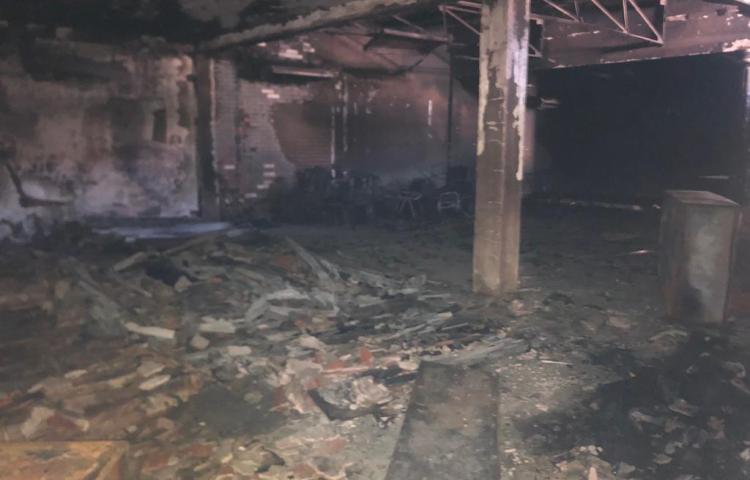
Venezuelan National Union of Journalists office destroyed in arson attack
Miami, April 28, 2021 — Venezuelan authorities should thoroughly investigate the arson attack on the regional headquarters of the National Union of Journalists, and ensure those responsible are prosecuted, the Committee to Protect Journalists said today. On April 19, at around 4 a.m., unidentified individuals set fire to the regional headquarters of the National Union…
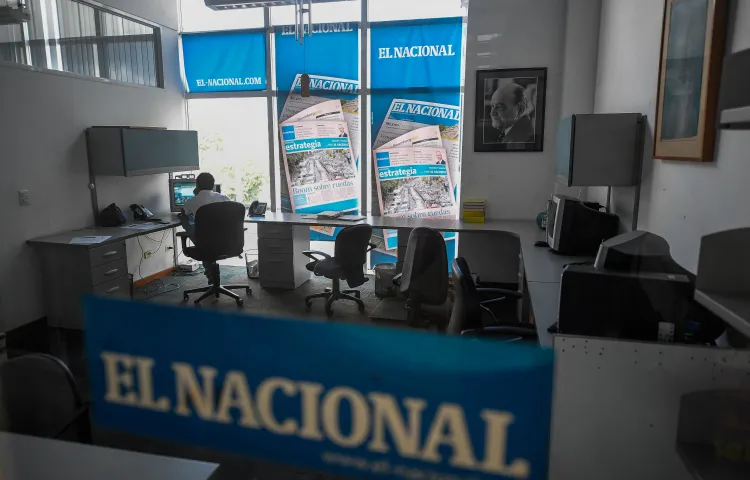
Venezuelan Supreme Tribunal orders El Nacional daily to pay $13 million in defamation case
Bogotá, April 20, 2021 – The Committee to Protect Journalists today condemned a decision by the Venezuelan Supreme Tribunal ordering the independent daily newspaper El Nacional to pay the equivalent of more than $13 million in damages in a civil defamation lawsuit. On April 16, the Civil Cassation Chamber of the Supreme Tribunal ordered El…