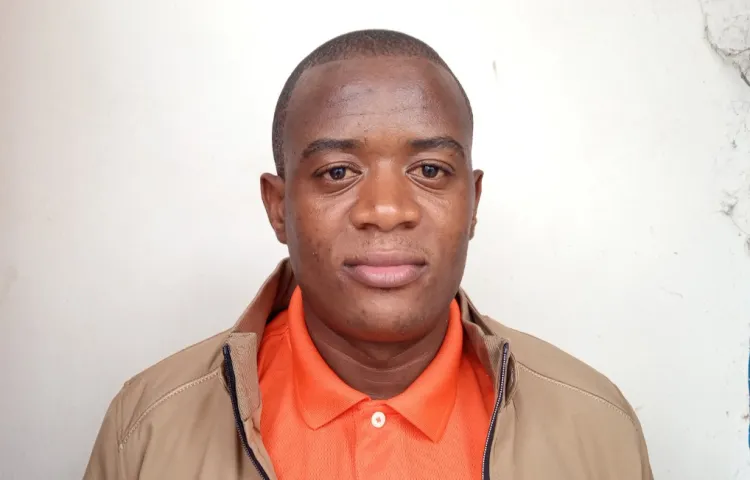
Rwandan journalist Dieudonné Niyonsenga says he was beaten, detained in ‘hole’
Nairobi, January 31, 2024—The Committee to Protect Journalists on Wednesday expressed alarm at reports that Dieudonné Niyonsenga had been tortured in a Rwandan prison and called on authorities to unconditionally release the journalist, who is serving a seven-year sentence. During a January 10, 2024, hearing at the court of appeal in the capital Kigali, Niyonsenga said that he was held under “inhumane” conditions in…

CPJ reiterates call for Rwanda to investigate John Williams Ntwali’s death
Nairobi, March 15, 2023—The Committee to Protect Journalists today joined 85 other organizations in reiterating calls for the Rwandan government to allow an independent, impartial investigation into the death of investigative journalist John Williams Ntwali. Authorities said that Ntwali died on January 18 in a road accident in the Rwandan capital Kigali, but CPJ and other…
CPJ joins demand for investigation into death of Rwandan journalist John Williams Ntwali
CPJ on Tuesday joined about 100 other human rights and press freedom organizations in a joint statement calling on the Rwandan government to ensure an “independent, impartial, and effective investigation” into the death of journalist John Williams Ntwali. Authorities said that Ntwali died on January 18 in a road accident in Kigali. However, the organizations…
CPJ calls for credible investigation into death of Rwandan journalist John Williams Ntwali
Nairobi, January 26, 2023—Rwandan authorities must provide a credible account of the circumstances surrounding the death of journalist John Williams Ntwali, the Committee to Protect Journalists said Thursday. Police said that Ntwali was killed in the early morning of January 18 in Kigali, the capital, after a car hit a motorcycle taxi he was riding,…
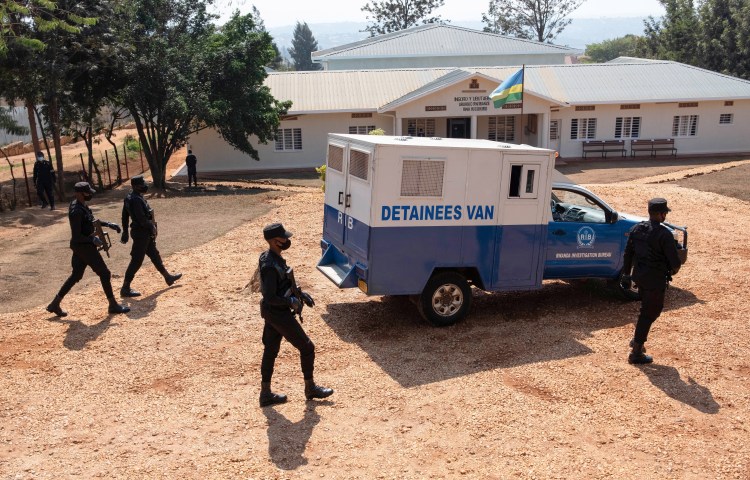
Rwandan court acquits, releases 3 Iwacu TV journalists
Nairobi, October 5, 2022—In response to the acquittal and release on Wednesday of three journalists for YouTube-based Iwacu TV who have been detained in Rwanda since October 2018, the Committee to Protect Journalists issued the following statement expressing relief: “We are greatly relieved that the court has recognized the charges against Damascene Mutuyimana, Shadrack Niyonsenga,…
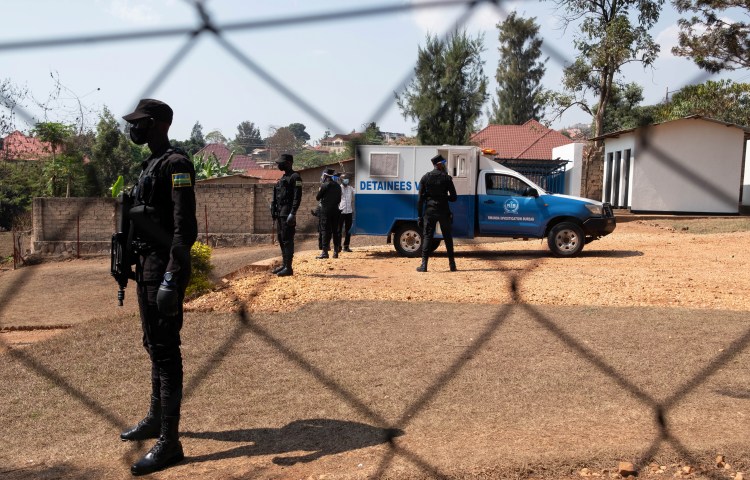
Rwandan prosecutors request 22-year prison sentences for 3 Iwacu TV journalists
Nairobi, September 6, 2022—Rwandan authorities should release three Iwacu TV journalists held in detention, ensure they face no further legal harassment, and guarantee that members of the press are not imprisoned for their work, the Committee to Protect Journalists said Tuesday. Authorities arrested Damascene Mutuyimana, Shadrack Niyonsenga, and Jean Baptiste Nshimiyimana, reporters for the YouTube-based…
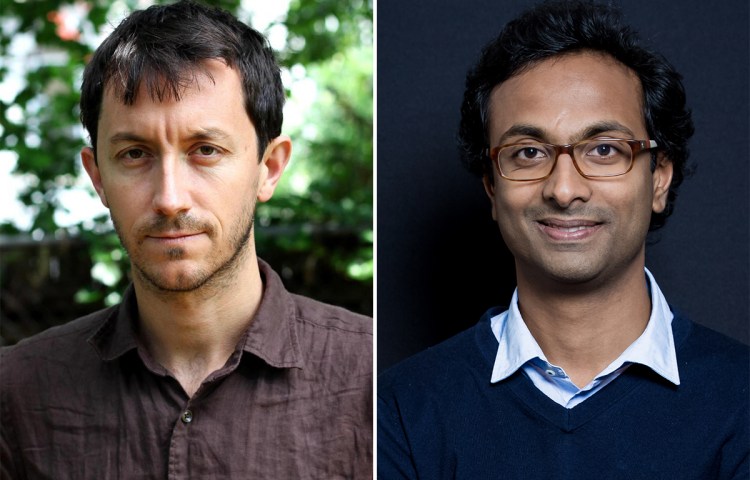
Commonwealth Secretariat denies entry to at least 2 journalists seeking to cover summit in Rwanda; others left in limbo
Durban, June 17, 2022 — The Commonwealth Secretariat should ensure that all journalists can freely cover the upcoming summit in Rwanda, and should not allow the press accreditation process to be used as a political tool, the Committee to Protect Journalists said Friday. The Commonwealth Heads of Government Meeting, which brings together the leaders of…
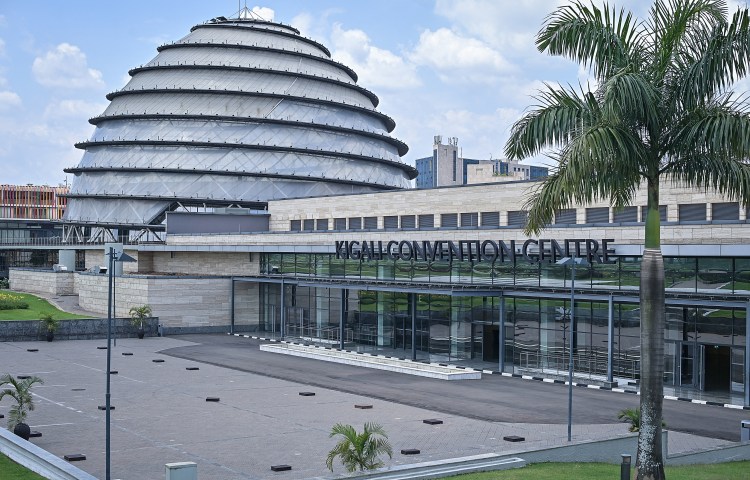
CPJ joins call for Commonwealth leaders to urge Rwanda to respect human rights
On June 10, the Committee to Protect Journalists joined 23 other civil society organizations in a letter expressing “grave concerns” about the human rights situation in Rwanda ahead of the June 20 start of the Commonwealth Heads of Government Meeting, where leaders of Commonwealth nations will meet in the country. The organizations note that there…
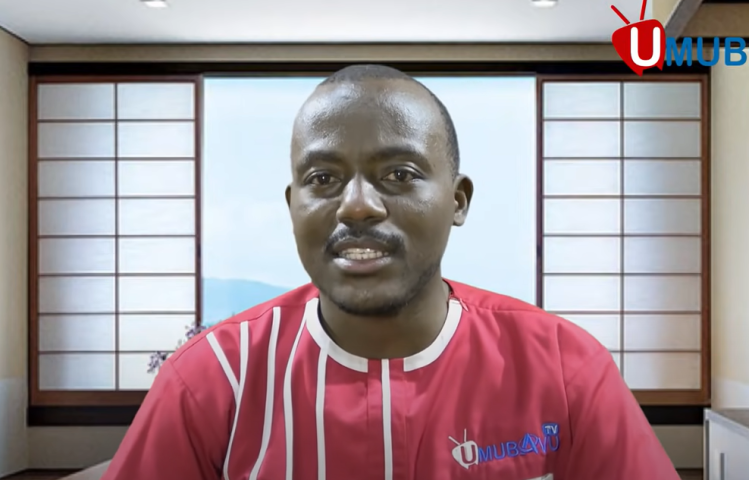
Rwandan journalist Théoneste Nsengimana detained since October 13
Nairobi, November 3, 2021 — Rwandan authorities should immediately and unconditionally release journalist Théoneste Nsengimana and cease harassing members of the press, the Committee to Protect Journalists said today. On October 13, security personnel arrested Nsengimana, who runs the YouTube channel Umubavu TV Online, according to tweets by the Rwanda Investigation Bureau (RIB), a law-enforcement…
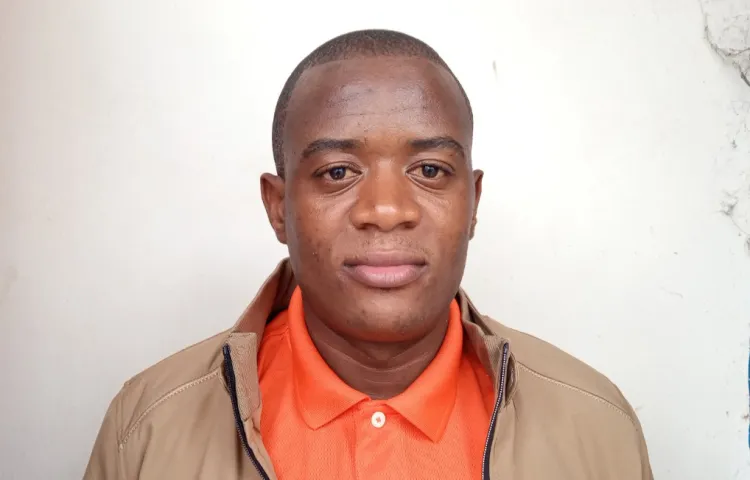
Rwandan journalist Dieudonné Niyonsenga acquitted, released after 11 months in prison
Nairobi, March 15, 2021 — In response to the acquittal and release of Rwandan journalist Dieudonné Niyonsenga and media worker Fidèle Komezusenge, who had been detained since April 2020, the Committee to Protect Journalists issued the following statement: “While it is certainly good news that Dieudonné Niyonsenga and Fidèle Komezusenge have been acquitted and freed…