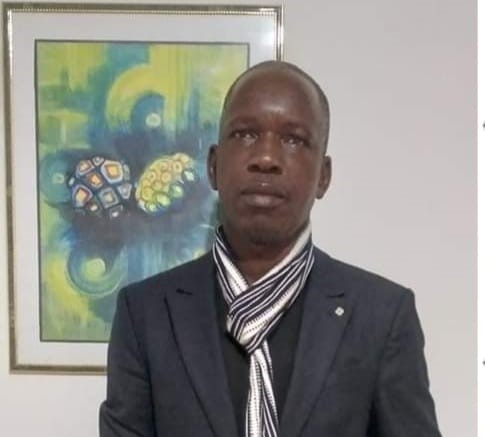
Ivoirian journalist Barthélémy Téhin placed under judicial supervision for corruption reporting
Dakar, November 1, 2022—Ivoirian authorities must stop harassing journalist Barthélémy Téhin for his reporting on corruption, immediately lift his judicial supervision, which restricts his movement, and ensure that government officials comply with the press law that decriminalizes media offenses, the Committee to Protect Journalists said Tuesday. On October 5, a judge in the capital, Abidjan,…
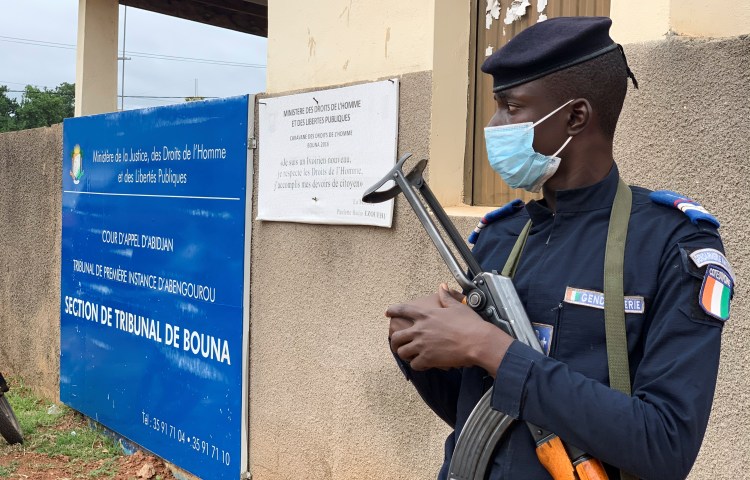
Ivory Coast journalist Noël Konan jailed overnight, fined over a tweet
On July 18, 2022, a court in Abidjan, the capital of Ivory Coast, convicted investigative reporter Noël Kouadio Konan of defamation under Article 89 of the country’s press law and fined him three million CFA francs (US$4,600) over a June 29 tweet, according to news reports and the journalist, who spoke to CPJ via messaging…
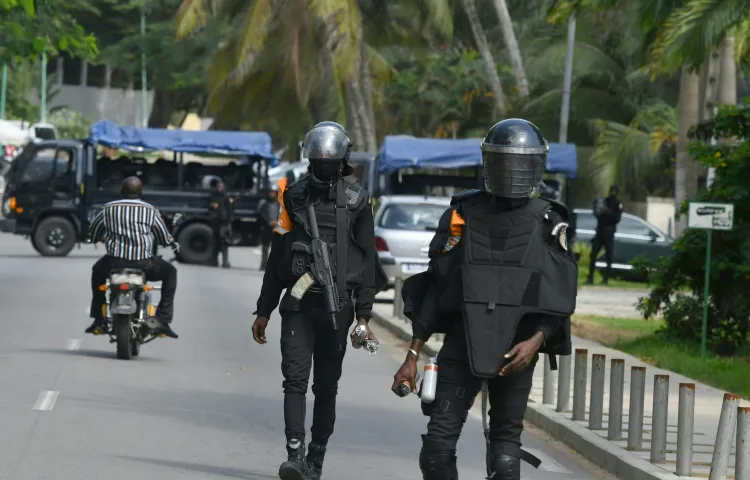
Journalists detained, attacked while covering contested election in Ivory Coast
New York, November 17, 2020 — Authorities in Ivory Coast should drop their investigation into journalist Yao Alex Hallane Clément, and cease intimidating and harassing members of the press, the Committee to Protect Journalists said today. On November 3, police officers arrested Yao, a reporter with the privately owned PDCI 24 TV broadcaster, along with…
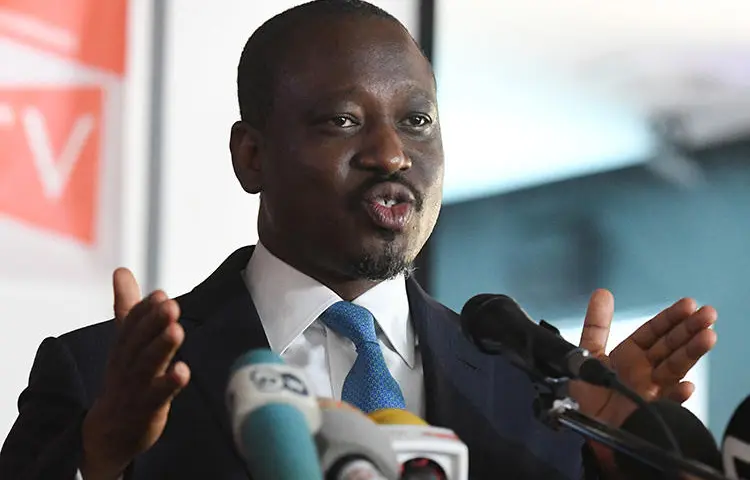
Presidential hopeful Soro should drop complaint against Ivory Coast journalist
Abidjan, June 6, 2019–The Committee to Protect Journalists today called on Ivory Coast politician Guillaume Soro to withdraw a criminal complaint against Sidi Tehra, director of the privately owned weekly L’Essor Ivoirien, and champion the reform of the country’s penal code to ensure that journalists are not imprisoned for their work.
Ivory Coast detains six journalists for reporting on mutiny
Police in the Ivory Coast on February 12, 2017, detained Vamara Coulibaly, the publisher of the independent Soir Info and L’Inter newspapers; Hamadou Ziao, editor-in-chief of L’Inter; Jean Bédel Gnago, a journalist with Soir info; Bamba Franck Mamadou, the publisher of the pro-opposition newspaper Notre Voie; Yacouba Gbané, the publisher of the pro-opposition newspapers Le…
Protecting journalists who cover corruption is good for the bottom line
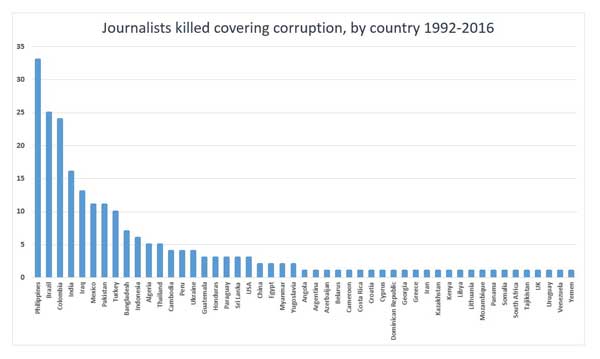
Corruption is one of the most dangerous beats for journalists, and one of the most important for holding those in power to account. There is growing international recognition that corruption is also one of the biggest impediments to poverty reduction and good governance. This is why journalists on this beat must be protected, including by…
Ivory Coast authorities suspend a critical daily for one month
The government-run National Press Council on August 10, 2015, suspended for one month the privately owned daily Aujourd’hui, according to news reports. The council said the suspension was in connection with a series of articles the paper published between July 16 and July 31, 2015.

Ivory Coast publisher charged with defamation, insult
Abidjan, August 5, 2015–A journalist who was imprisoned for almost a week by authorities in the Ivory Coast has been charged with defamation, among other crimes, according to the journalist and news reports. The Committee to Protect Journalists calls on authorities in the Ivory Coast to drop the charges against Joseph Titi immediately. A judge…