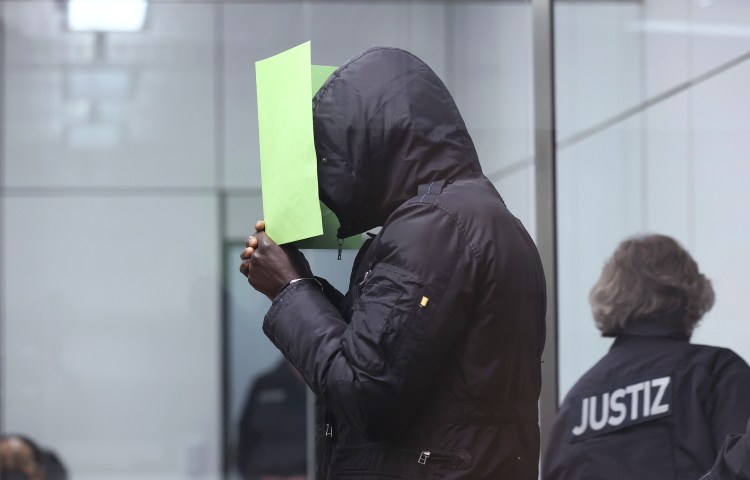
CPJ welcomes conviction of death squad driver in murder of Gambian editor Deyda Hydara
Durban, November 30, 2023—The Committee to Protect Journalists welcomes Thursday’s conviction in Germany of a member of former Gambian president Yahya Jammeh’s death squad for the 2004 murder of Gambian editor Deyda Hydara. “The German court’s conviction and sentencing to life imprisonment of death squad driver Bai Lowe is an important first step for the…
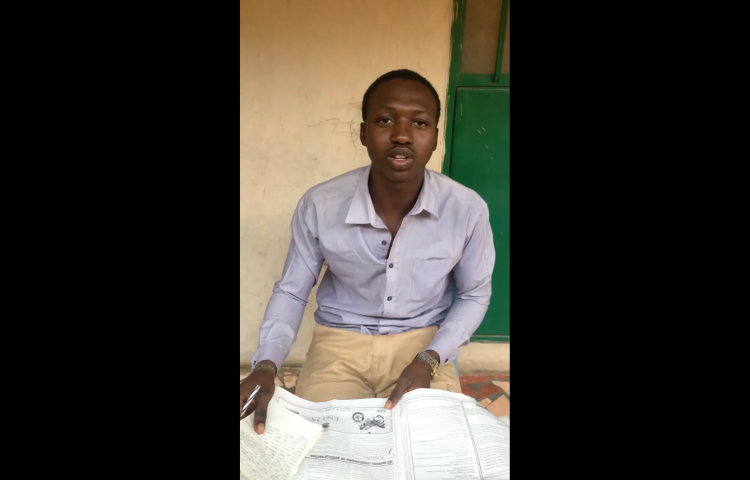
Gambian journalist Bakary Mankajang arrested, charged over reporting on killings
New York, September 22, 2023— The Committee to Protect Journalists calls for the immediate and unconditional release of journalist Bakary Mankajang after his arrest by Gambian police in connection with his reporting on police killings. “Gambian authorities must swiftly and unconditionally release journalist Bakary Mankajang, drop all charges against him, and allow him to…
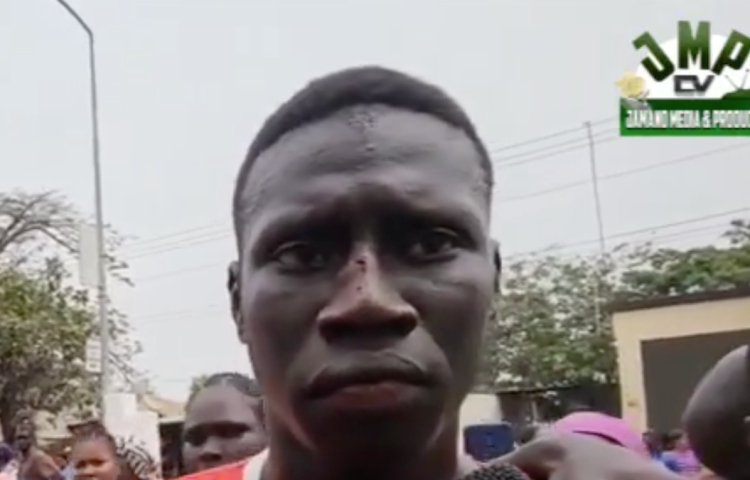
Gambian party security guards attack 3 journalists for filming politician
On May 31, 2023, four security guards working for Gambia’s ruling National People’s Party grabbed, repeatedly punched, and poured water on Malick D. Cham, a presenter with the online broadcaster Jamano Media and Products, after the journalist tried to film an NPP politician and another man arguing at a mayor’s swearing-in ceremony in the capital…
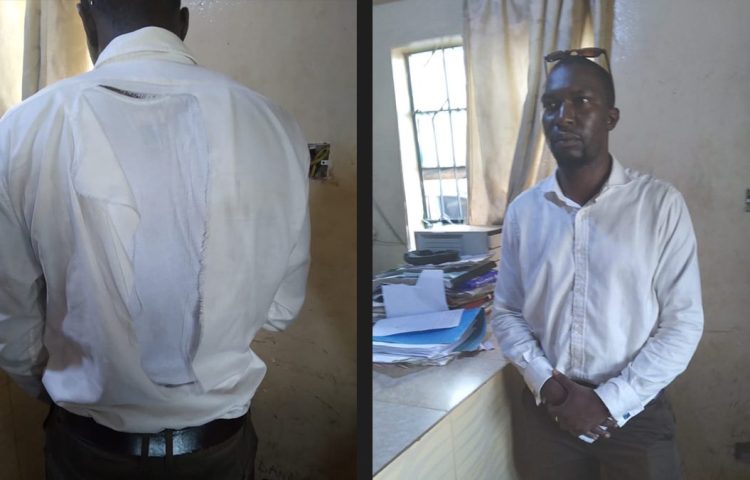
Gambian police attack, detain journalist Yusef Taylor
Abuja, August 3, 2022 – Gambian authorities should swiftly investigate and hold to account the police officers who harassed journalist Yusef Taylor, drop any charges against the journalist, and allow him to work freely, the Committee to Protect Journalists said Wednesday. On July 5, police officers blocked Taylor, editor and manager of the privately owned…
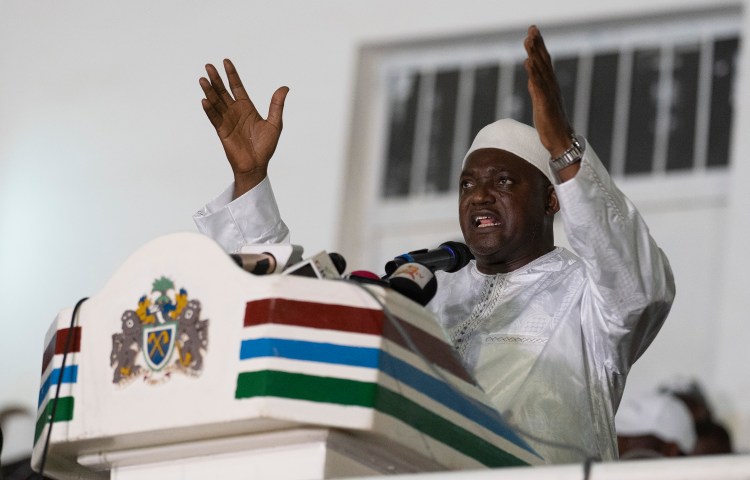
CPJ urges Gambia authorities to prioritize legal reforms, accountability for crimes against the press
Abuja, June 29, 2022 – Gambian authorities should adopt the reforms recommended by the country’s Truth, Reconciliation, and Reparations Commission (TRRC)—including ensuring journalists are not prosecuted for sedition—work to swiftly hold former President Yahya Jammeh and members of his “Junglers” death squad to account for their crimes against journalists, and end the culture of impunity…
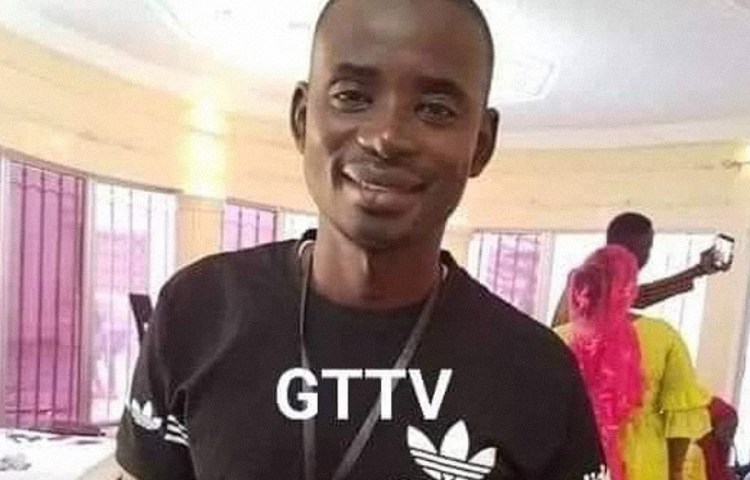
Gambian police detain journalist documenting COVID-19 protests
On June 21, 2020, officers of Gambia’s anti-crime police unit detained Ebou N. Keita, an editor and camera operator with the privately owned Gambian Talents Television broadcaster, for photographing police arresting people protesting the country’s COVID-19 restrictions, according to Keita and Gambian Talents Television founder Pa Ousman Joof, both of whom spoke to CPJ via…
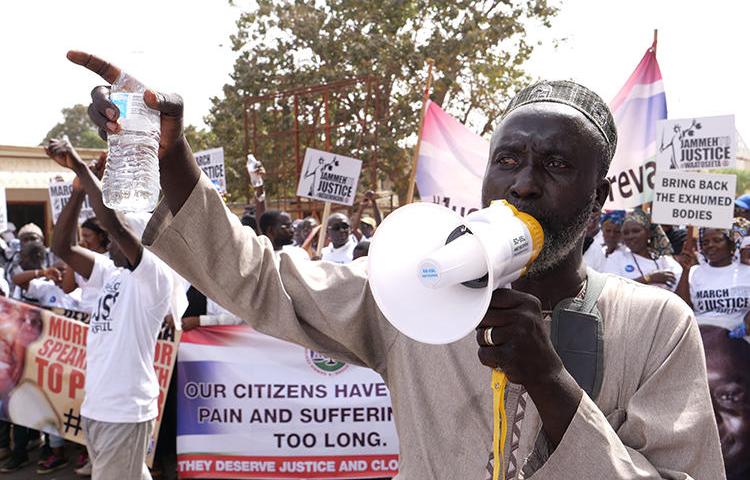
Gambian radio journalists arrested, outlets shut down over protest coverage
Abuja, Nigeria, January 31, 2020 — Gambian authorities should immediately drop the charges against broadcast journalists Pa Modou Bojang and Gibbi Jallow, and permit the Home Digital FM and King FM radio stations to reopen, the Committee to Protect Journalists said today.

Deyda Hydara’s daughter: ‘I am still crying’ for murdered Gambian journalist
At Gambia’s Truth, Reconciliation and Reparations Commission (TRRC) on July 22, army officer Lieutenant Malick Jatta named former President Yahya Jammeh as the mastermind behind the murder of prominent editor Deyda Hydara on December 16 , 2004. He said Jammeh had given the direct order to assassinate Hydara, an outspoken critic who was the managing…
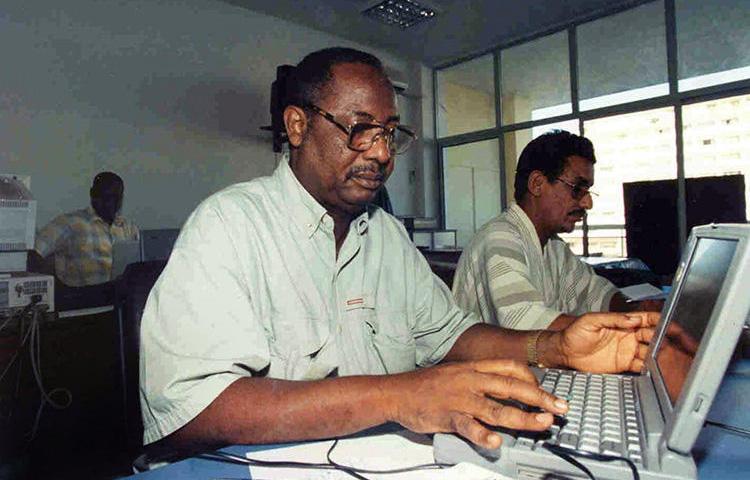
Gambia declares criminal defamation unconstitutional, keeps some laws on sedition, false news
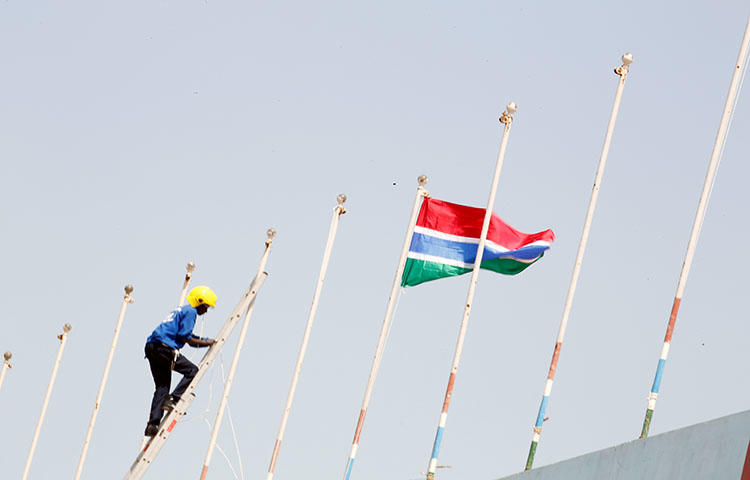
Nairobi, May 10, 2018–The Committee to Protect Journalists welcomes the Gambian Supreme Court’s decision yesterday to declare criminal defamation unconstitutional, but is dismayed that segments of the country’s criminal code on sedition and false news were upheld.