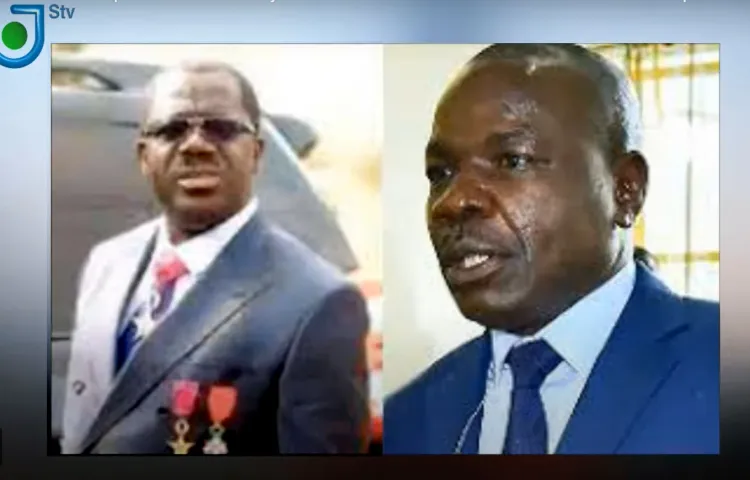
Court documents allege Cameroon counterintelligence spied on murdered journalist Martinez Zogo
Dakar, March 8, 2024—Cameroonian authorities must disclose which journalists, in addition to murdered journalist Martinez Zogo, have been targeted for surveillance by the country’s counterintelligence service and ensure that spying on members of the media is immediately discontinued, the Committee to Protect Journalists said Friday. The existence of a surveillance operation that allegedly spied on…
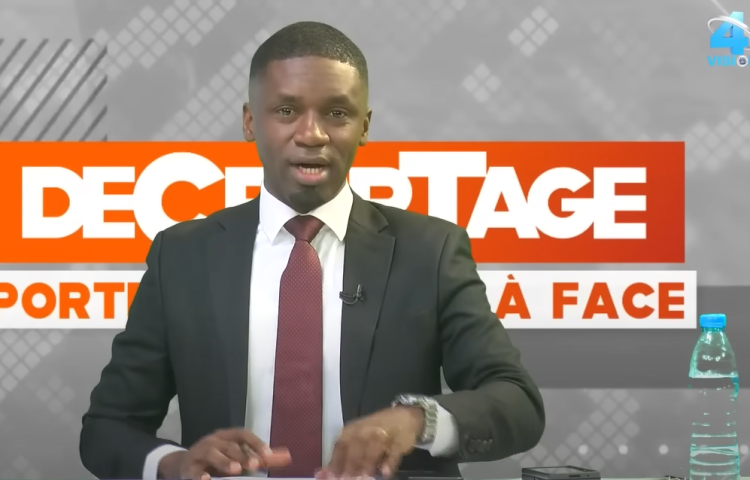
Cameroonian journalist Bruno Bidjang detained for alleged ‘rebellion’
Dakar, February 15, 2024—Cameroonian authorities must immediately release journalist Bruno François Bidjang, drop legal proceedings against him for alleged rebellion, and allow journalists to comment freely on public affairs, the Committee to Protect Journalists said on Thursday. On February 6, gendarmes from the Yaoundé State Secretariat for Defense (SED) summoned Bidjang, managing director of the privately-owned…
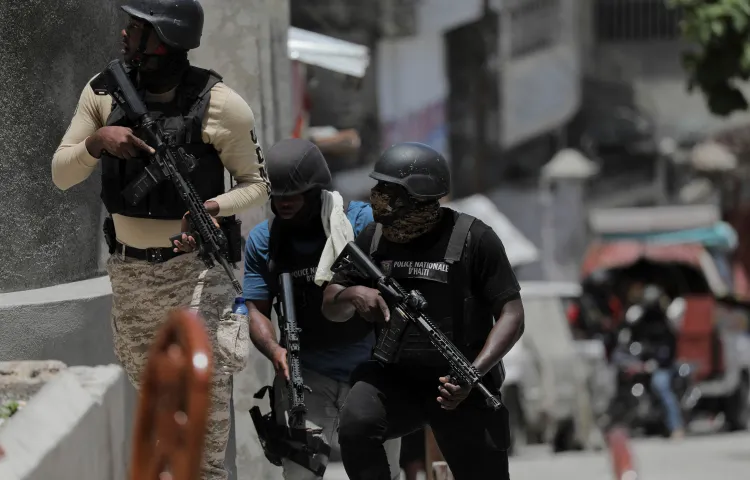
Haiti joins list of countries where killers of journalists most likely to go unpunished
By Arlene Getz/CPJ Editorial Director The persistent lack of justice for murdered reporters is a major threat to press freedom. Ten years after the United Nations declared an international day to end impunity for crimes against journalists – and more than 30 years after CPJ began documenting these killings – almost 80% of their killings…
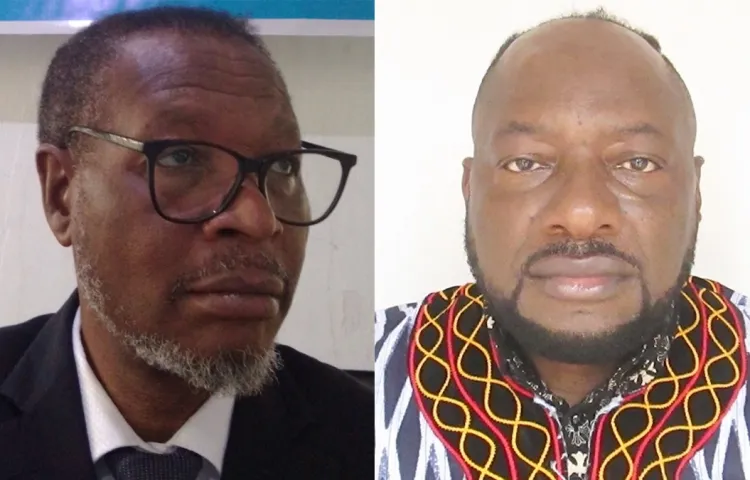
Cameroon governor bans The Post over military coup headline
Durban, September 15, 2023—Cameroonian authorities should immediately lift an indefinite ban against The Post newspaper in the Southwest Region and stop any retaliatory action against the privately owned media outlet and its staff, the Committee to Protect Journalists said Friday. On Tuesday, September 12, Southwest regional governor Bernard Okalia Bilai banned The Post until further…
NGOs call for protection of journalists in Cameroon ahead of country’s UN human rights review
New York, July 17, 2023—Cameroonian journalists are facing lethal threats and false legal charges as they pursue reporting in the midst of Cameroon’s Anglophone conflict, according to a new report on press freedom and freedom of expression submitted to the United Nations by Freedom House, the Committee to Protect Journalists (CPJ), and the American Bar…
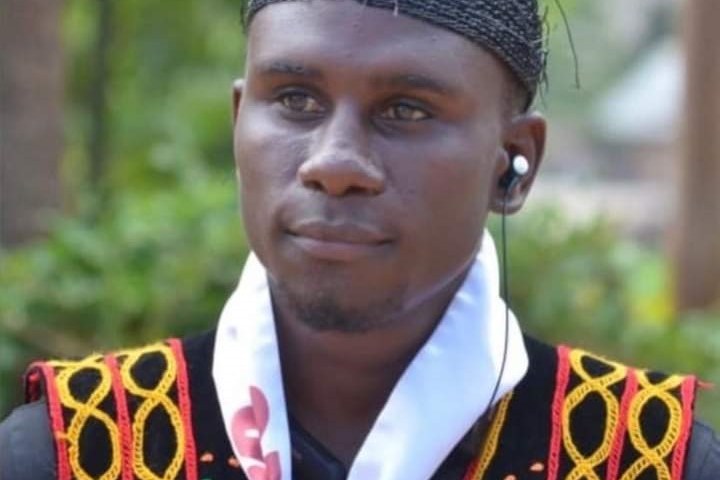
Cameroonian journalist Anye Nde Nsoh shot and killed by separatists
New York, May 8, 2023—Cameroonian authorities should thoroughly investigate the recent killing of journalist Anye Nde Nsoh, hold those responsible to account, and ensure that journalists can work in the Northwest Region safely, the Committee to Protect Journalists said Monday. At about 9 p.m. on Sunday, May 7, gunmen shot and killed Nsoh outside a…
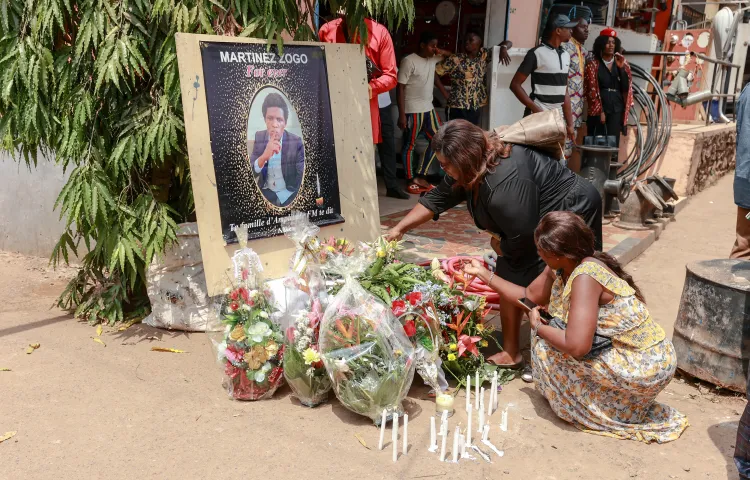
Cameroonian police arrest businessman investigated by murdered journalist Martinez Zogo
Dakar, February 6, 2023 — In response to news reports that Cameroonian police on Monday arrested Jean-Pierre Amougou Belinga and two of his associates in connection to the investigation into the murder of journalist Martinez Zogo, the Committee to Protect Journalists issued the following statement reiterating demands for a transparent investigation: “It is a welcoming…
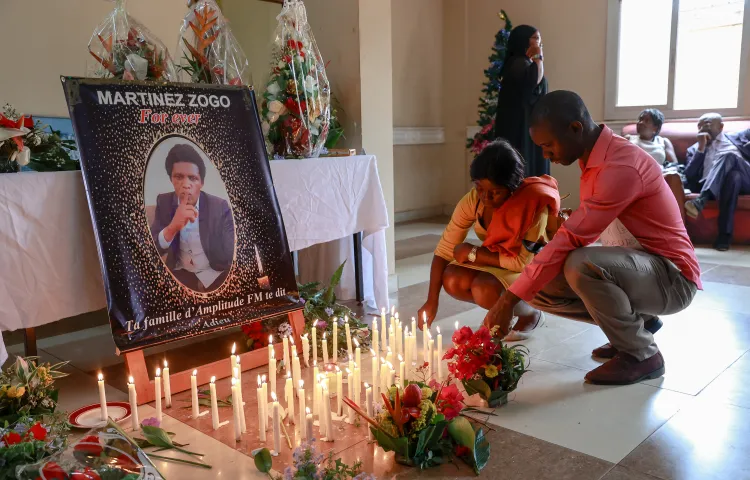
CPJ calls for transparency, public accountability in Cameroon’s investigation into Martinez Zogo’s death
Dakar, February 2, 2023–In response to multiple news reports that police arrested several people, including prominent members of Cameroon’s security forces, in connection to their investigation into the murder of the Cameroonian journalist Martinez Zogo, the Committee to Protect Journalists issued the following statement: “Cameroonian authorities must ensure transparency in the investigation into the brutal…
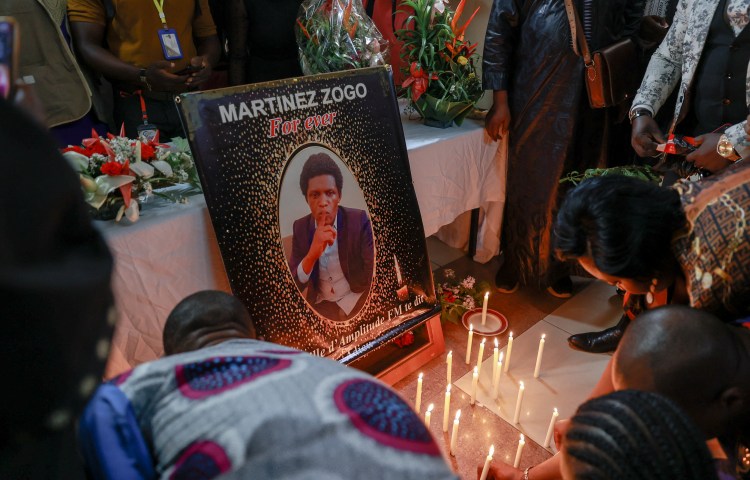
Cameroonian journalist Martinez Zogo found dead following abduction
New York, January 23, 2023 – In response to news reports that Cameroonian journalist Martinez Zogo was found dead on Sunday, the Committee to Protect Journalists issued the following statement calling for those responsible to be brought to justice: “Cameroonian authorities must conduct a swift and thorough investigation into the shocking abduction and killing of…