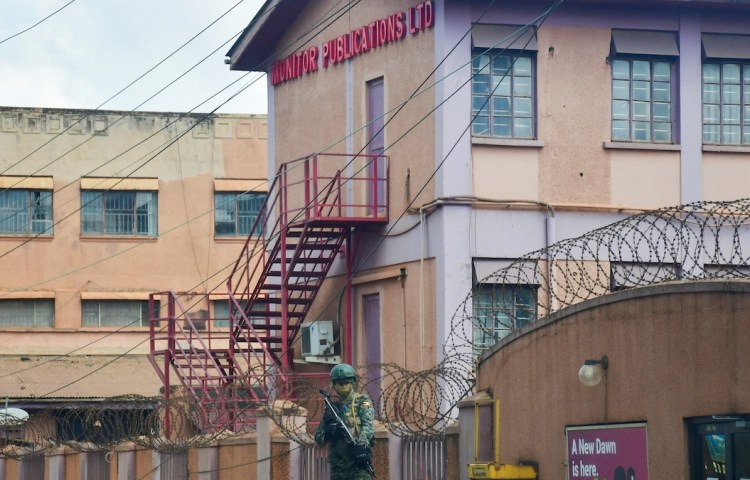
Uganda military chief orders Nation Media Group shutdowns, threatens Managing Director Susan Nsibirwa
New York, June 29, 2026—The Committee to Protect Journalists calls for Ugandan authorities to swiftly and unreservedly remove security forces from the premises of the privately owned Nation Media Group-Uganda (NMG-U), permit the company to operate freely, and ensure Managing Director Susan Nsibirwa can work without concern that she may be arrested or attacked. In…

More than a dozen South African journalists targeted as anti-migrant deadline looms
South African journalist Sakhiseni Nxumalo was reporting on an anti-migrant march, which turned into a deadly attack on foreign nationals, when he himself became a target because of his dark skin. He is one of at least 15 journalists targeted in South Africa in recent months, CPJ’s reporting found. Nxumalo, who works for the digital…

CPJ, partners condemn targeting of journalists covering South Africa’s anti-migrant protests
The Committee to Protect Journalists has joined seven other media freedom organizations in condemning attacks on foreign nationals and the targeting of journalists covering anti-migrant protests in South Africa. In a joint statement, issued ahead of the June 30 deadline set by the anti-migrant group March and March, the organizations called on its leaders to…
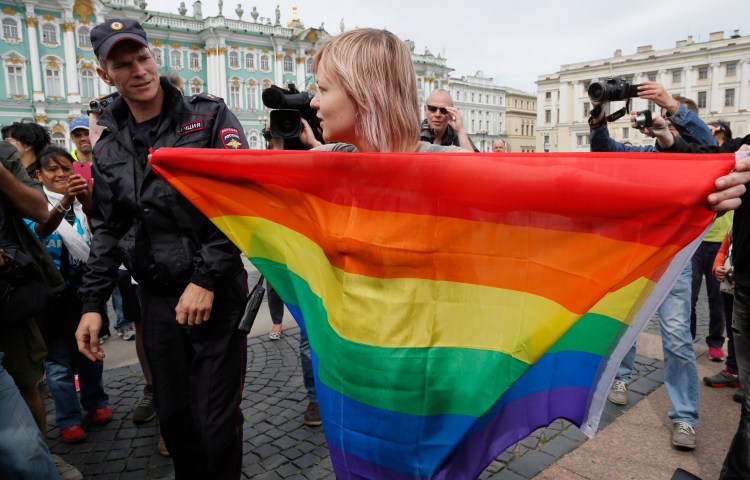
The high price journalists paid for LGBTQ+ reporting, and how to protect yourself now
As LGBTQ+ communities celebrate Pride this June, many journalists continue to face an ugly reality: simply reporting on this community can open them up to prosecution, physical attacks, threats, arrest, exile, and even death. Avijit Roy, a Bangladeshi-born American who blogged about LGBTQ+ rights and free expression, was stabbed to death alongside his wife after…
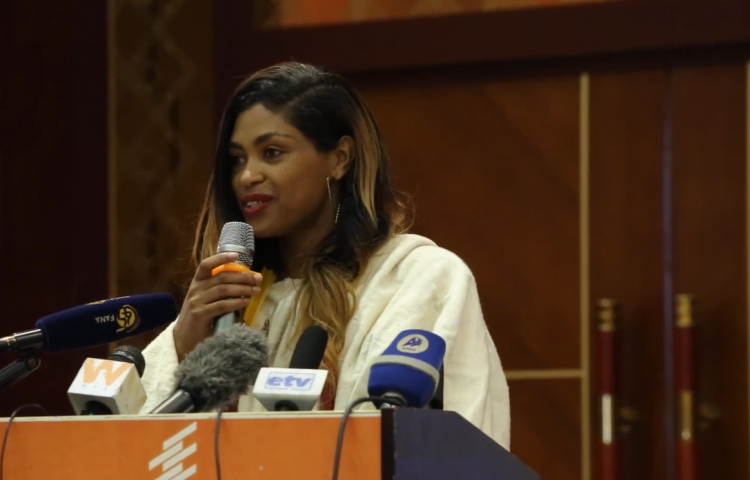
Ethiopian journalist Salsawit Baynesagn detained without charge
New York, June 19, 2026—The Committee to Protect Journalists calls on Ethiopian authorities to immediately release journalist Salsawit Baynesagn or bring her before a court, disclose any charges against her, and ensure that she is not being held in retaliation for her commentary. Her family told CPJ that they suspect her detention is linked to…
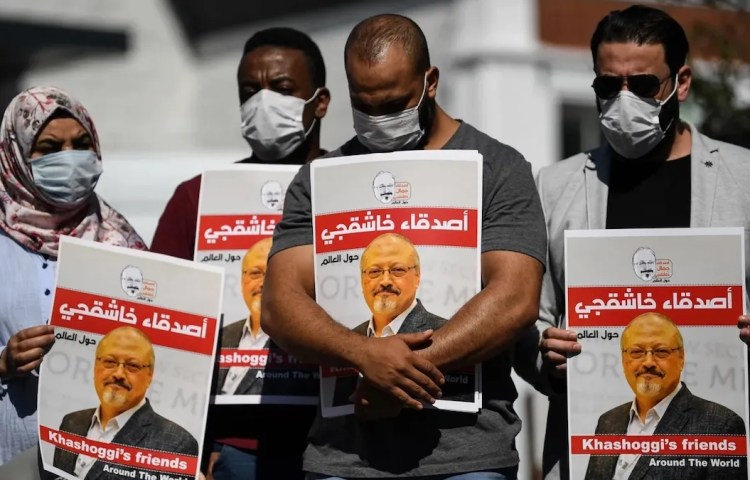
World Refugee Day 2026: Supporting journalists in exile amid transnational repression
World Refugee Day draws attention to journalists who have been forced to flee their home countries due to threats, conflict, or repression. While exile is now recognized as a growing reality for journalists worldwide, the experiences of journalists CPJ supported last year reflect the reality that relocation does not necessarily bring safety. Increasingly, journalists in…
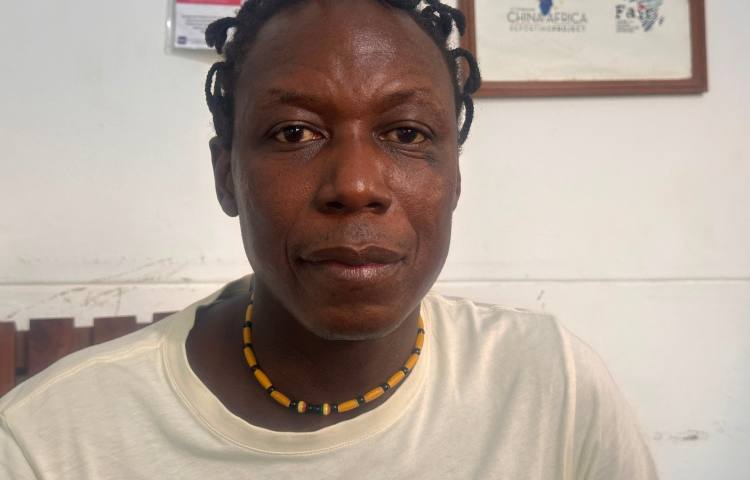
Mozambique’s Estacio Valoi faces ‘clear intimidation’ over environmental reporting
New York, June 17, 2026—The Committee to Protect Journalists calls on Mozambican authorities to return the equipment of prominent investigative journalist Estacio Valoi and to end the intimidation of reporters covering environmental crimes and conflict in northern Cabo Delgado province. On June 16, three National Criminal Investigation Service (SERNIC) agents went to Valoi’s home in…
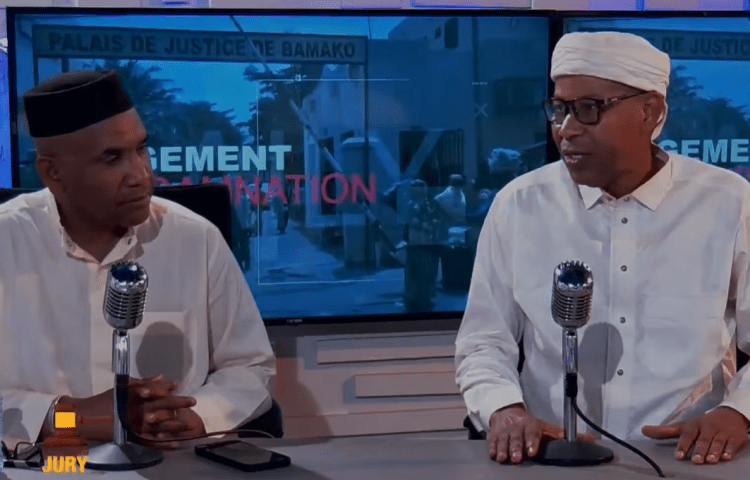
In Mali, 2 more journalists arrested under cybercrime law for criticizing authorities
Dakar, June 16, 2026—The Committee to Protect Journalists calls on Malian authorities to release two prominent journalists imprisoned last week for criticizing the country’s embattled military government over its press freedom record and losses to insurgents. “Malian authorities must stop their frenzied arrests of journalists, drop the charges against Abdrahamane Keïta and Chahana Takiou, and…
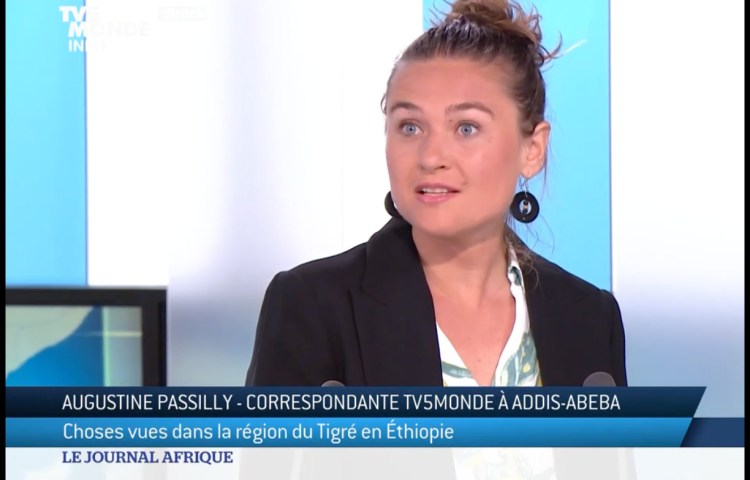
Ethiopia expels French journalist Augustine Passilly after reporting trip to Tigray
New York, June 12, 2026—The Committee to Protect Journalists calls on Ethiopian authorities to reverse the expulsion of French journalist Augustine Passilly following her reporting trip to the northern state of Tigray, where residents spoke out about their fears of a return to war. “Ethiopia’s expulsion of Augustine Passilly is a blatant act of retaliation…

In Comoros, journalist arrested for report on jailed ex-president’s health
Dakar, 10 June 2026—The Committee to Protect Journalists calls on Comorian authorities to release journalist Toufé Maecha who was arrested on Monday at his home in the capital, Moroni, over his reports in La Gazette des Comores about the ill-health of a jailed former president. “Comoros authorities should refrain from cavalierly arresting journalists for their…