
CPJ Safety Advisory – 2018 FIFA World Cup
The FIFA World Cup will take place June 14 to July 15 at 12 venues in 11 different cities across Russia. Under FIFA rules, it will be difficult for the Russian authorities to bar individual reporters or deny visas for specific media, but those who do cover the tournament may come under surveillance. Journalists are…

‘Spear phishing’ attacks underscore necessity of digital vigilance
The revelation that the FBI sent a fake Associated Press story containing malware to a teenager suspected of making bomb threats has brought “spear phishing” back into the public consciousness. The technique, which combines malicious software with social cues tailored to the target, has been used by state and non-state actors to attack journalists and…
Attacks on Knight Center sites reflect digital dangers
The two websites at the University of Texas at Austin, at first blush, seemed to have been unlikely targets for attack. The Knight Center for Journalism in the Americas and its blog cover news about journalism, press freedom and journalist safety throughout the Western hemisphere, with an emphasis on trends in Latin America. The website…
For journalists, danger lurking in your email
This week, Morgan Marquis-Boire and Bill Marczak of the University of Toronto’s Citizen Lab provided a disturbing look into the likely use of a commercial surveillance program, FinFisher, to remotely invade and control the computers of Bahraini activists. After the software installs itself onto unsuspecting users’ computer, it can record and relay emails, screenshots, and…
Chinese hackers targeting human rights news sites
Nart Villeneuve has published a detailed summary of recent malware attacks on media and human rights groups who work on Chinese issues. He highlights a disturbing new trend. On Wednesday, Amnesty Hong Kong’s website was repurposed by hackers to infect visitors with a wide variety of nasty malware. The Nobel Prize’s website was also defaced earlier…
That Nobel invite? Mr. Malware sent it
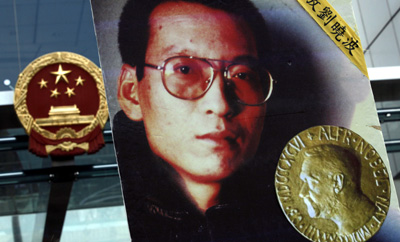
This weekend, staff at CPJ received a personal invitation to attend the Oslo awards ceremony for Nobel Peace Prize winner Liu Xiaobo. The invite, curiously, was in the form of an Adobe PDF document. We didn’t accept. We didn’t even open the e-mail. We did, however, begin analyzing the document to see was really inside…
The malware lockdown in Havana and Hanoi
General purpose computers give journalists an incredible amount of power to create, research, and publish their work away from those who may wish to interfere. But such independence requires that the computer itself remain free and uncompromised by software that works against the journalist’s own interests.