Dominican police, firing pellets, wound reporter
New York, February 2, 2011–Dominican police wounded journalist Francisco Frías Morel on Friday as he was covering a funeral procession for a youth killed in a police shooting in the northeastern city of Nagua, according to news reports and CPJ interviews. The Committee to Protect Journalists called on local authorities to conduct a thorough investigation…
What the Internet loses from Egypt’s disappearance
Last night at 20:54 UTC, Noor Group, the only remaining Internet service provider in Egypt with a consumer broadband service, depeered with the rest of the Internet. There are now only 12 Egyptian networks connected to the Net, none of which appear to be offering public connections.

Mideast stations circumvent Al-Jazeera blockage
As massive protests endure throughout Egypt, the regime continues to disrupt the media as well as phone and Internet service. CPJ is closely following the censorship of the news, and will update on our blog today as developments break. Here’s what’s new:
China limits reporting on Egypt unrest in favor of ‘harmony’
Chinese information authorities are filtering results of Chinese-language Internet searches for “Egypt” and “Cairo,” according to Global Voices Online and The Wall Street Journal. The unrest raging there could prompt comparison with the student-led protests in Tiananmen Square in 1989 or incite anti-government demonstrations.
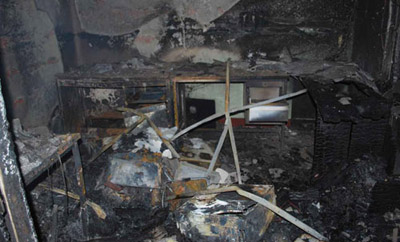
United Nations must intervene to protect Sri Lanka’s media
New York, January 31, 2011–Secretary-General Ban Ki-moon must press the United Nations to address the string of uninvestigated and unprosecuted attacks on journalists and media houses under the government of Sri Lankan President Mahinda Rajapaksa, the Committee to Protect Journalists said today. CPJ responded after an early Monday morning arson attack on the offices of…
CPJ demands Egypt halt obstruction, restore Internet, SMS
New York, January 31, 2011–The Committee to Protect Journalists calls on the Egyptian government to stop obstructing reporters’ work and to immediately return equipment confiscated from Al-Jazeera and other news outlets. Internet and SMS messages services remain disabled and must be restored without delay, CPJ said today.
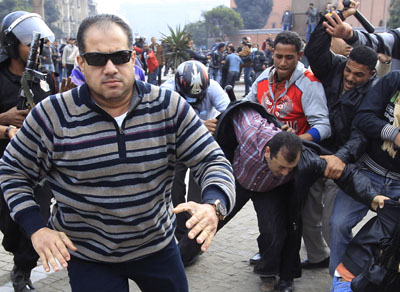
Egypt instigates media blackout, police target journalists
New York, January 28, 2011–Egyptian authorities have taken unprecedented measures to block media coverage of widespread protests against the government, which are on their fourth day. CPJ condemns Cairo’s news blackout and calls for authorities to immediately restore Internet and mobile phone services, end the targeting of the press, and allow media to conduct their work…
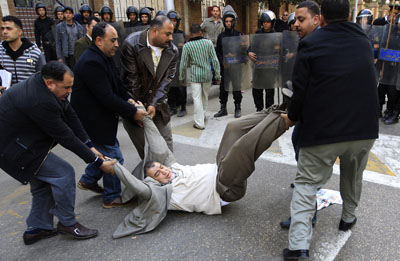
Journalists beaten, websites blocked amid protests in Egypt
New York, January 26, 2011–The Committee to Protect Journalists condemns the violence against journalists covering demonstrations in Egypt. Plainclothes and uniformed security personnel have beaten at least 10 journalists between Tuesday and today and detained others. Egyptian authorities have also shut down the websites of two popular independent newspapers and a number of social media…
Facebook enables encryption: a first step on the right road
Facebook is rolling out a a new feature starting today: its users now have an option in their account settings that will protectively encrypt all their Facebook activity as it travels over the Internet. Flipping the switch won’t change much about how you use Facebook, but you’ll see Facebook web addresses will always start with…