Chinese Internet crackdown on Bo Xilai rumors continues
New York, April 13, 2012–Chinese authorities should halt their censorship of Web content in the aftermath of senior politician Bo Xilai’s dismissal, the Committee to Protect Journalists said today. Internet officials in China have deleted at least 210,000 online posts and shut down as many as 42 websites since mid-March for allegedly spreading rumors, the…
UK surveillance plan must be watched carefully
When journalists make enemies in high places, they become vulnerable to the powers those figures wield. One such power is the state’s capacity to wiretap and obtain personal records from communications companies. From Colombia’s phone-tapping scandal to last year’s case of Gerard Davet–a Le Monde reporter whose phone records were obtained by the French intelligence…
Iraqi cybercrime bill is the worst kind
After the rash of political revolutions and criminal attacks on governments and companies last year, it wasn’t hard to predict that 2012 would be the year of a cybercrime crackdown. The United States is considering its own cybercrime legislation, and the European Union is seeking to harmonize its member state’s computer crime laws. Governments understandably…
With coup, quiet #Mali generates noise on Twitter
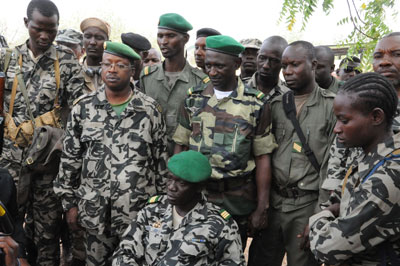
Yesterday, while reporting on breaking news in Mali from studios in Atlanta, CNN Wire Newsdesk Editor Faith Karimi made an ominous observation that presaged the outcome of developments unfolding 5,000 miles away. “#Mali president @PresidenceMali has not tweeted in 10 hours after reports of gunfire and a coup attempt,” she tweeted.

Will China’s new detention law matter? Ask Zhang Mingyu
“Zhang Mingyu isn’t out of danger yet.” These words, posted at 7:37 p.m. Wednesday on the Sina Weibo account of Chongqing property developer Zhang Mingyu after his detention by police, mark the latest twist in a story of political intrigue leading up to this week’s legislative meetings in Beijing. As required by China’s hardworking censorship…
Online news sites as battleground for Mexican drug war
I’m in Culiacán, the capital of the Mexican state of Sinaloa. Part of my work here has been to investigate and highlight the cyber-attacks that the award-winning weekly local newsmagazine Ríodoce has encountered in its coverage of the violent drugs war here. But discussing the experiences of online editors at other publications here has shown…