
Abdulelah Shaea freed after three years in Yemeni jail
New York, July 24, 2013–The Committee to Protect Journalists welcomes the release on Tuesday of Yemeni freelance journalist Abdulelah Hider Shaea, who had been imprisoned for almost three years on anti-state charges. Shaea was released yesterday after President Abd Rabbo Mansour Hadi issued a pardon, which also stipulated that the journalist could not leave Sana’a,…
Obama must urge free press during meeting with Vietnam
Dear President Obama: We are writing to express our concern about the deteriorating press and Internet freedom situation in Vietnam ahead of your Thursday meeting with Vietnamese President Truong Tan Sang. We ask that in your discussions you insist on the progress of freedom of expression-related issues as a precondition for broadening Vietnam’s diplomatic, economic, and strategic relations with the United States.
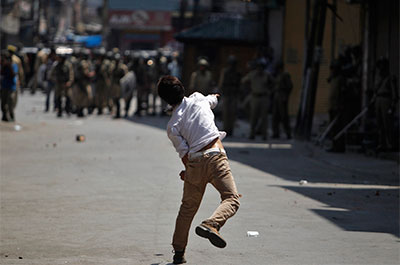
Kashmir’s Internet suspension fits pattern of restrictions
Curbing the flow of information during heightened periods of tension has become routine business by authorities in the northern Indian state of Jammu and Kashmir. Access to mobile Internet service was suspended Thursday after violent protests erupted in the state. Although the service was restored late that night, the episode is another example of the…
Decree targets online freedoms in Vietnam
Bangkok, July 22, 2013–A new decree aimed at regulating Internet-related information and services in Vietnam represents a significant new danger to online journalists and bloggers, the Committee to Protect Journalists said today. The decree was signed into law on July 15 and will be implemented on September 1, according to news reports.

CPJ calls for Aleksei Navalny’s release in Russia
New York, July 18, 2013–Russian authorities must free on appeal the anti-corruption blogger and opposition activist Aleksei Navalny, who was convicted on politicized charges of embezzlement today and sentenced to five years in prison, the Committee to Protect Journalists said. Navalny was jailed immediately after the verdict was announced, according to news reports.
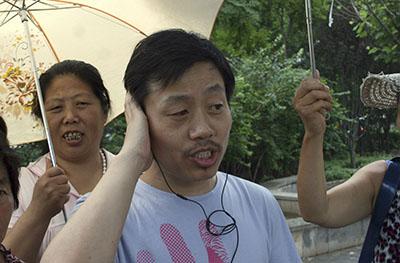
Amended Gambian media law restricts Internet freedom
Abuja, Nigeria, July 10, 2013–The Committee to Protect Journalists condemns an amendment to a media law adopted by the Gambian parliament that imposes lengthy prison sentences and heavy fines on individuals who use the Internet in any capacity to criticize government officials.
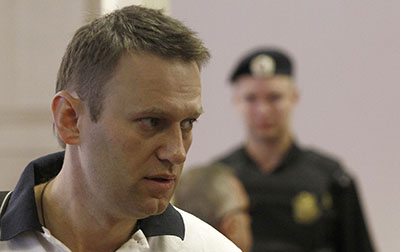
The targeting of Russian blogger Aleksei Navalny
The trial of Aleksei Navalny is coming to an end at the Leninsky District Court in the river city of Kirov, 500 miles northeast of Moscow. Navalny, a charismatic 37-year-old lawyer, was propelled to fame through his activities as an anti-corruption blogger, activist, and a leader of Russia’s opposition movement. Most recently, he pledged to…

Rouhani can take steps to improve Iran press freedom
After eight hellish years for Iran’s journalists under outgoing President Mahmoud Ahmadinejad, the election of Hassan Rouhani was welcomed with hope for a better future. As soon as he takes office in August, he should act on his view and take steps to protect journalists in Iran.