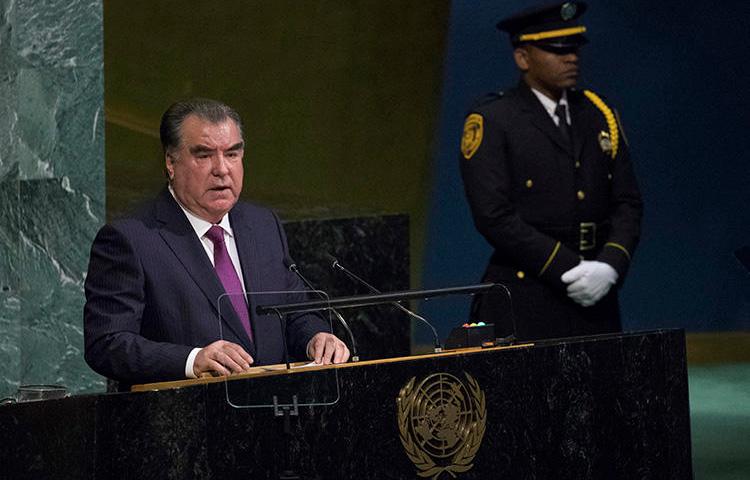
Independent Tajik news agency Asia Plus kicked offline
Washington, D.C., September 10, 2019–Websites and email addresses belonging to embattled independent news agency Asia Plus in Tajikistan have been down since August 19, according to the agency and Radio Ozodi, the Tajik-language service of the U.S. government-funded Radio Free Europe/Radio Liberty (RFE/RL).

Why newsrooms need a solution to end online harassment of reporters
Stef Schrader was on vacation in Germany last year when spam messages started to flood her inbox. Seeing random emails from Macy’s—and job alerts for the position of “Chief Idiot”—she realized someone had signed her work email up to dozens of email lists.
CPJ calls on SADC heads of state to prioritize press freedom and the safety of journalists
CPJ writes to the executive secretary and heads of state of the Southern African Development Community ahead of the 39th Ordinary Summit, urging them to prioritize press freedom and the safety of journalists in SADC.
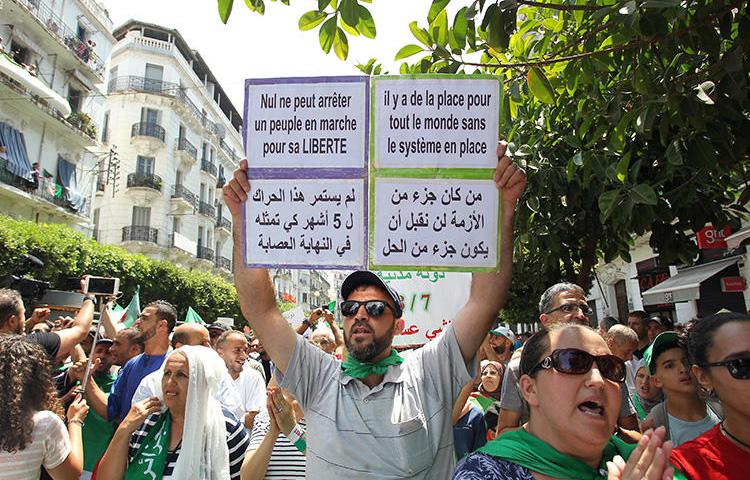
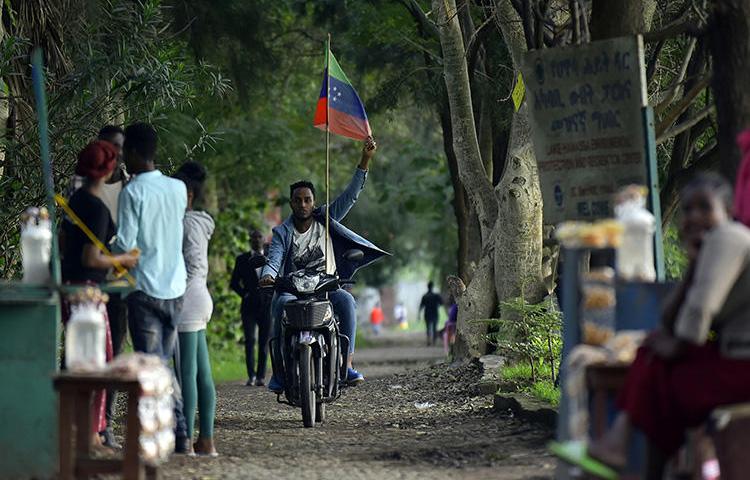
Authorities arrest Sidama Media Network workers in southern Ethiopia amid unrest
Nairobi, August 9, 2019–The Committee to Protect Journalists today called on authorities in Ethiopia to disclose the charges against three media workers from the Sidama Media Network or release them immediately, and to guarantee that journalists operating in southern Ethiopia can report freely.

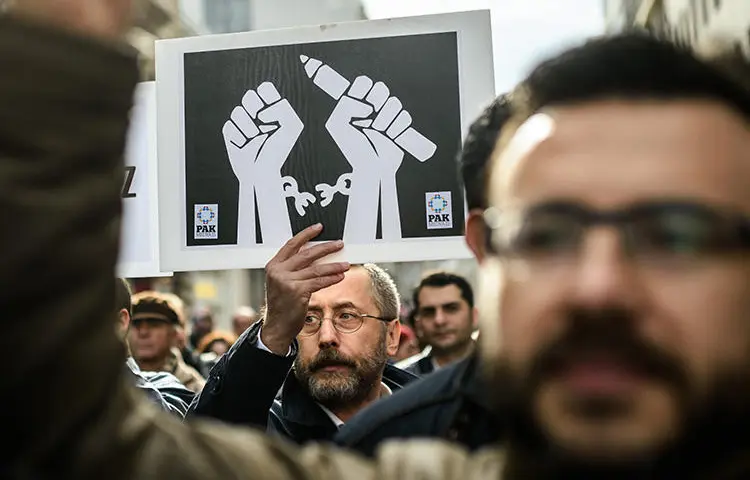
Turkish court orders service providers to block access to news sites
Istanbul, August 6, 2019–An Ankara court on July 16 ordered Turkish internet service providers to block access in Turkey to 136 web addresses, independent news website Bianet reported today. The blocked addresses include the websites of news outlets Bianet, ETHA news agency, Halkın Sesi TV, Özgür Gelecek, osp.org, geziyisavunuyoruz.org, Gazete Fersude, Yeni Demokratik Gençlik, Umut…
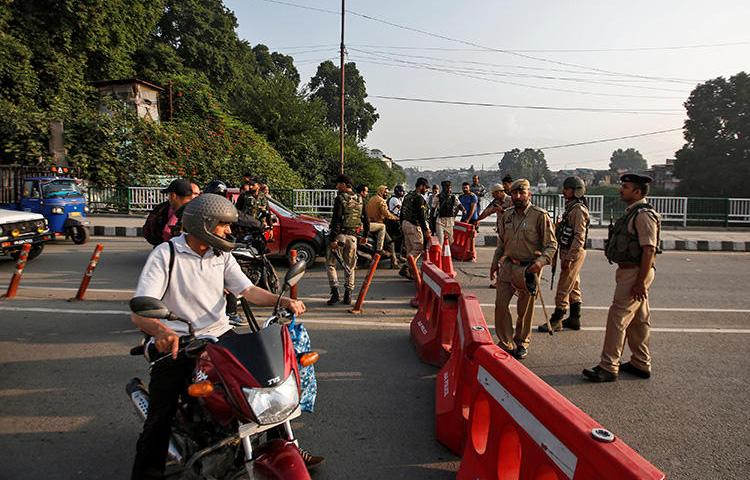
CPJ calls on India to ensure access to internet and communications services in Kashmir
New York, August 5, 2019–The Committee to Protect Journalists today expressed alarm at reports of a communication blackout and the arrest of a journalist in Indian-controlled Jammu and Kashmir state amid an escalating political crisis.

CPJ Launches Digital Safety Kit
The Committee to Protect Journalists has launched a new, updated Digital Safety Kit for journalists looking to better protect themselves, their sources, and their information. The kit, produced by CPJ’s Emergencies Response Team, combines six bite-sized safety notes on different topics in an accessible format that is easy to digest.

Kazakhstan’s move to control internet prompts censorship, surveillance concerns
A state-controlled internet service provider in Kazakhstan is requiring at least some of its subscribers to submit to having their internet traffic intercepted when they use specific websites–including social media sites, email and messaging services, and Google News, according to research published this week by Censored Planet, a project at the University of Michigan.