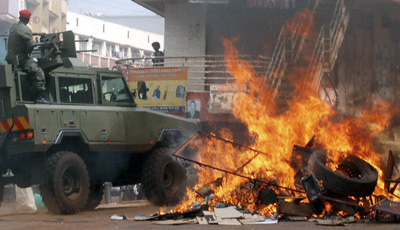
Attacks on the Press in 2011: State Media As Anti-Media Tool
In some Latin American countries, state-owned media are used not only for propaganda but as platforms to smear critics, including journalists. Some elected leaders have even invested in large multimedia holdings to further their agendas. By Carlos Lauría
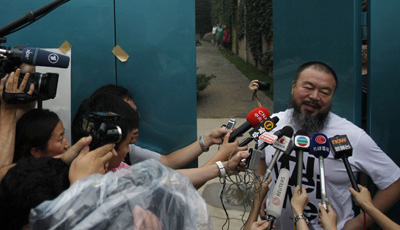
Attacks on the Press: China Holds Fast to Information Control
Internet users posed ever-bigger challenges to Beijing’s media controls, boosting debate on public safety and censorship. But ahead of a 2012 leadership transition, the Chinese Communist Party looks likely to fiercely suppress dissent. By Madeline Earp
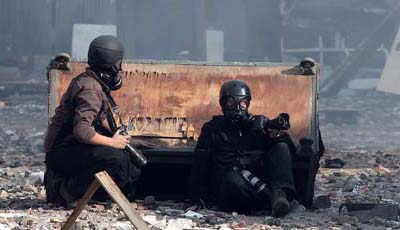
Attacks on the Press: From Uprisings, Trends to Watch
The Middle East’s political shifts changed conditions for journalists dramatically. The emerging trends favor free expression, but are filled with ambiguity and depend on the political configurations to emerge after the revolutionary dust has settled. By Mohamed Abdel Dayem
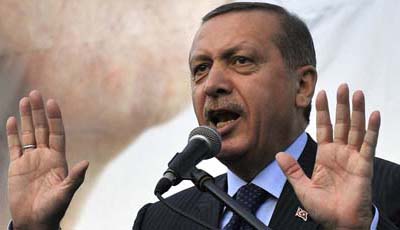
Attacks on the Press in 2011: Turkey’s Legal Problem
With the aid of anachronistic legislation and a rigid judiciary, Turkish officials and politicians have curbed free expression by subjecting journalists to endless court proceedings and legal costs. The EU and the U.S. are no help. By Robert Mahoney >> Türkçe
CPJ urges Kazakhstan to stop repressing media
Dear President Nazarbayev: The Committee to Protect Journalists is deeply disturbed by the ongoing crackdown by Kazakhstan’s security service, the KNB, against independent journalists. The imprisonment of Vzglyad editor Igor Vinyavsky and interrogations of independent reporters by KNB agents appear to be reprisals for critical reporting on government policies, including a December 2011 confrontation in which authorities killed civilians.
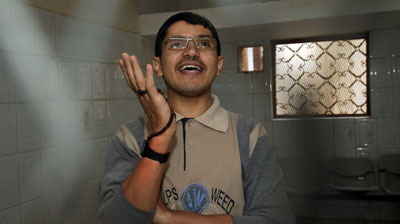
Increasing press freedom violations in Iran
New York, February 14, 2012–The Iranian regime continued its sustained crackdown on the press, arresting a blogger, handing a journalist a harsh prison term, and banning a reformist news publication, according to news reports. The regime has also announced the mass arrest of several individuals with alleged links to the BBC Persian-language service, news reports…