Colombian journalist shot to death in Huila state
Bogotá, Colombia, September 11, 2015–A Colombian journalist was shot dead on Thursday in front of the radio station where she worked, according to news reports. Flor Alba Núñez Vargas had received threats in connection with her reporting, a local journalist told the Committee to Protect Journalists.
In Azerbaijan, independent journalist dies after being beaten in Baku
New York, August 10, 2015–An independent reporter in Azerbaijan died early Sunday after being beaten viciously the day before in Baku, according to news reports. The Committee to Protect Journalists calls on authorities in Azerbaijan to conduct an efficient and transparent investigation into the attack on Rasim Aliyev, determine the motive, and ensure all of…
CPJ welcomes Facebook move to add PGP encryption features
San Francisco, June 1, 2015–Facebook today announced that it would offer users a field to post PGP encryption keys on their profiles, and that it will use the encryption standard to protect the contents of notification emails. The improvements were announced on the social network’s security blog and will gradually be rolled out to all…
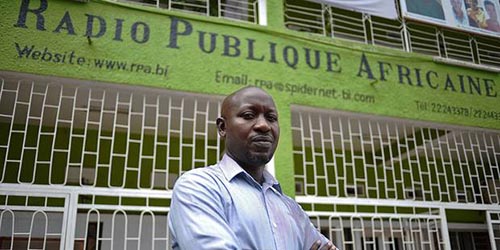
Burundian authorities crack down on press ahead of elections
Nairobi, April 29, 2015–The Committee to Protect Journalists condemns the harassment of journalists and news outlets in Burundi and calls on authorities to allow them to cover protests ahead of scheduled elections in May and June. Police cut the transmission of at least three radio stations, and telecommunications companies have been ordered to suspend mobile…
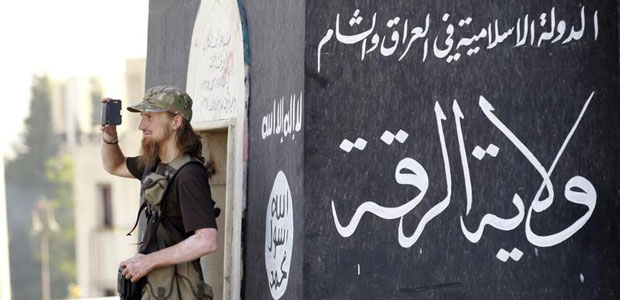
Broadcasting murder: Militants use media for deadly purpose
News of the August 19, 2014, murder of journalist James Foley broke not in the media but instead on Twitter. News organizations faced the agonizing questions of how to report on the killing and what portions of the video to show. If a group or individual commits an act of violence, and then films it,…

Lack of media coverage compounds violence in Libya
Near the end of August 2014, Egypt and the United Arab Emirates launched airstrikes against what were characterized as Islamist-allied militias fighting near Tripoli, Libya. Or maybe they didn’t. The New York Times broke the story on August 25, 2014; Egypt denied it, the UAE didn’t comment, and U.S. officials made seemingly conflicting statements.

Treating the Internet as the enemy in the Middle East
The snow and freezing temperatures that struck Saudi Arabia unexpectedly in December 2013 were newsworthy in a desert kingdom better known for its extreme heat. But the fact that the ensuing power outages at a regional prison left prisoners without power or heat for nearly a week was apparently off-limits to reporters.