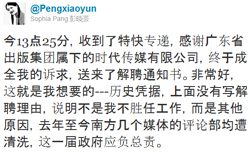
Mainstream journalists also targeted in China crackdown
New York, March 30, 2011–The Committee to Protect Journalists is concerned by the dismissal of two Guangzhou-based journalists who advocate for political reform amid tightening restrictions on free expression. While several bloggers and activists have disappeared or been detained in the last month after anonymous calls for demonstrations in support of political reform were published…
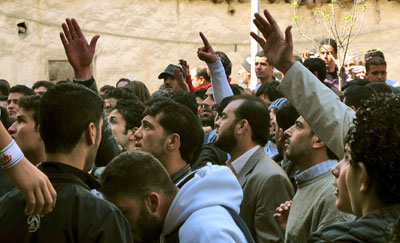
Syria cracks down on press; attacks in Libya, elsewhere
New York, March 28, 2011–Facing the nationwide spread of political unrest, Syrian authorities barred three Reuters journalists from reporting, blocked journalistic access to a hotbed of political dissent, censored a critical satellite station, and detained a political blogger. The widespread repression in Syria came on the same weekend that Libyan security agents forcibly barred a…
In Ivory Coast, Gbabgo and Ouattara camps attack press
New York, March 28, 2011–The Committee to Protect Journalists condemns ongoing attacks, threats, and intimidation against journalists and news outlets covering the bloody political standoff in Ivory Coast. The government and supporters of incumbent ruler Laurent Gbagbo have been targeting newspapers critical of Gbagbo while rebel fighters backing his U.N.-backed rival Alassane Ouattara have also…
Yemen shuts Al-Jazeera offices; journalists beaten
New York, March 24, 2011–Yemeni authorities today ordered Al-Jazeera’s offices shut and its journalists stripped of accreditation, escalating a week-long series of reprisals against the station that has included beatings, expulsions, raids, and death threats. The Committee to Protect Journalists condemns the government’s decision to shut Al-Jazeera and urges authorities to reverse the order immediately.
Is China censoring phone conversations?
Are Chinese mainland citizens, as has been reported, finding their telephone conversations cut off whenever they mention the word “protest?” While large-scale, real-time voice recognition is a technological possibility, it is at the edge of what is believed likely. It would certainly be revealing about the capabilities of the Chinese government if these anecdotes proved…
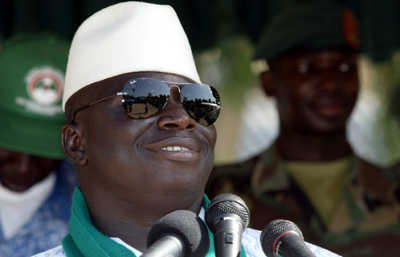
Jammeh to news media: I set limits on press freedom
Last week, Gambian President Yahya Jammeh participated in a rare meeting with select members of the West African nation’s press corps. Jammeh spoke in favor of access to public information. He announced that he would allow The Standard newspaper to resume publication, five months after the National Intelligence Agency forced its editor, Sheriff Bojang, to…

Malaysia court gets joke, drops case against blogger
In September 2010 we posted an alert about criminal charges being brought against Malaysian blogger Irwan Abdul Rahman. He was accused of “intent to hurt” because of a March 2010 satirical entry on his blog, nose4news, that made fun of Malaysia’s state-run power company Tenaga (TNB). The charges were brought by the Malaysian Communications and…
Beijing censors AIDS site after claim of cover-up
New York, March 17, 2011–Beijing information officials should allow Aizhi, the official website of the AIDS rights group Aizhixing Research Foundation, to resume operations, the Committee to Protect Journalists said today. Authorities ordered the site shut down on Tuesday after it had published an open letter from a retired senior official concerning news restrictions placed…