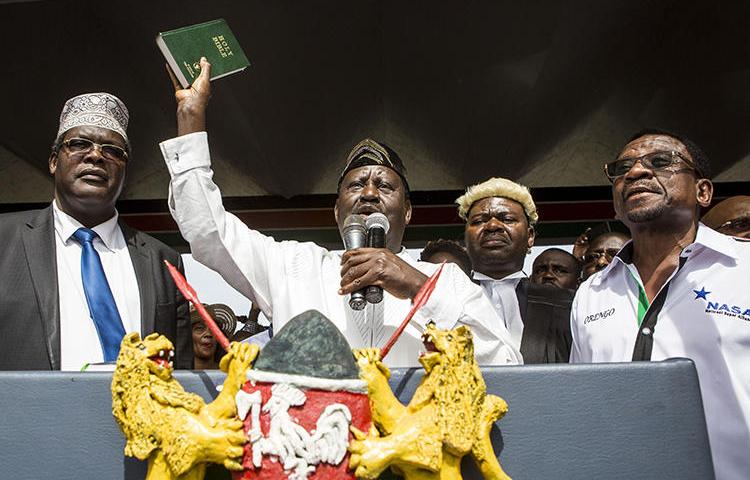
Kenya cuts TV transmissions over live coverage of opposition’s Odinga
Nairobi, January 30, 2018–Authorities in Kenya should immediately allow four privately owned television stations to resume broadcasting, the Committee to Protect Journalists said today. Officials from the broadcast regulator the Communications Authority, accompanied by police, switched off transmitters today while the stations were broadcasting live coverage of an opposition party event in the capital, Nairobi,…
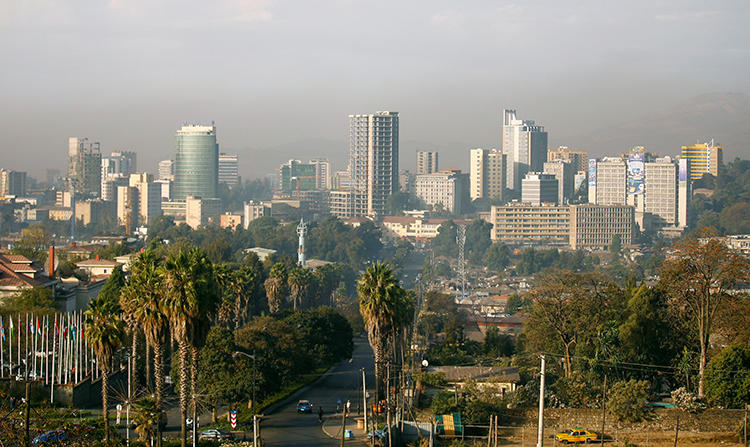
Why release of two journalists in Ethiopia does not signal end to press crackdown
On January 10, radio journalists Darsema Sori and Khalid Mohammed were released from prison after serving lengthy sentences related to their work at the Ethiopian faith-based station Radio Bilal. Despite their release and Prime Minister Hailemariam Desalegn’s promise earlier this month to free political prisoners, Ethiopia’s use of imprisonment, harassment, and surveillance means that the…

As German hate speech law sinks Titanic’s Twitter post, critics warn new powers go too far
The satirical magazine Titanic appears to have been an unlikely victim of Germany’s recently adopted online anti-hate speech law, NetzDG. “We were truly surprised,” the magazine’s editor-in-chief Tim Wolff told CPJ, as he explained how Twitter blocked the Titanic account for 48 hours after the magazine republished a post Twitter had deleted, in which Titanic…
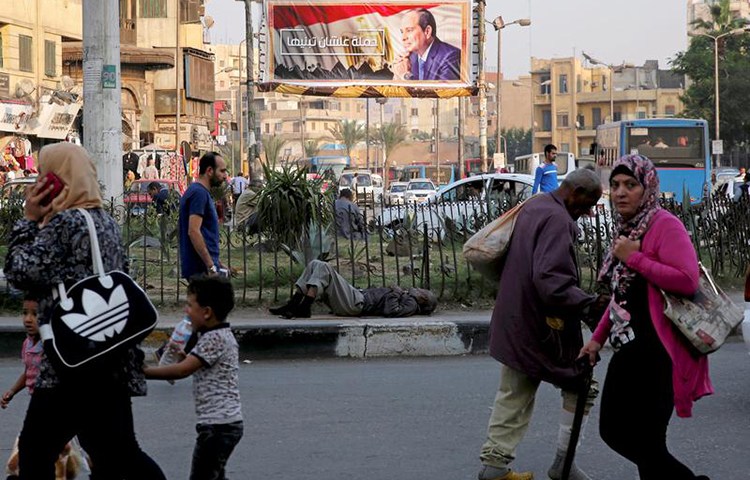
Ahead of March elections, Egypt extends state of emergency and tightens censorship
The New York Times reported this week that Egypt ordered a criminal investigation into the paper over its report alleging that an intelligence officer told several TV hosts they should persuade viewers to accept President Donald Trump’s decision to recognize Jerusalem as Israel’s capital. The investigation comes in the same week that Egypt’s parliament voted…


Mauritania cracks down on critical press after referendum
The Mauritanian Radio and Television Broadcast Authority today ordered Mauritania’s five privately owned news stations to shut down for “failing to fulfil their financial agreements” with the country’s broadcast regulator, local media reported.

Press at risk as EU-based companies export surveillance software to hostile regimes
In August, Danish Foreign Minister Anders Samuelsen told the daily newspaper Information that the government had authorized sales of online surveillance software to several Middle Eastern countries. While acknowledging the potential for human rights violations that could result from the use of these tools, the minister said that Denmark has an interest in the fight…
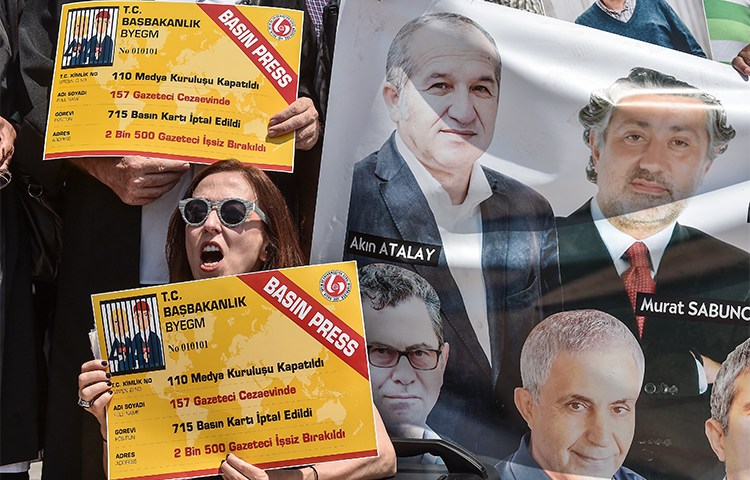
Turkey Crackdown Chronicle: Week of August 20, 2017
New decree used to shutter three pro-Kurdish outlets The Turkey government shuttered three more pro-Kurdish media outlets yesterday, using a new decree issued under the state of emergency that has been in place since the failed attempted coup last year, the daily Cumhuriyet reported. Decree 693 was used to shutter the Dihaber news agency, the…
CPJ joins call for Egypt to stop blocking access to news websites
The Committee to Protect Journalists joined 20 human rights and press freedom organizations in calling on Egyptian authorities to stop blocking access to Mada Masr and the 22 other news websites. The letter, sent May 26, says the blocking of the sites violates international standards.