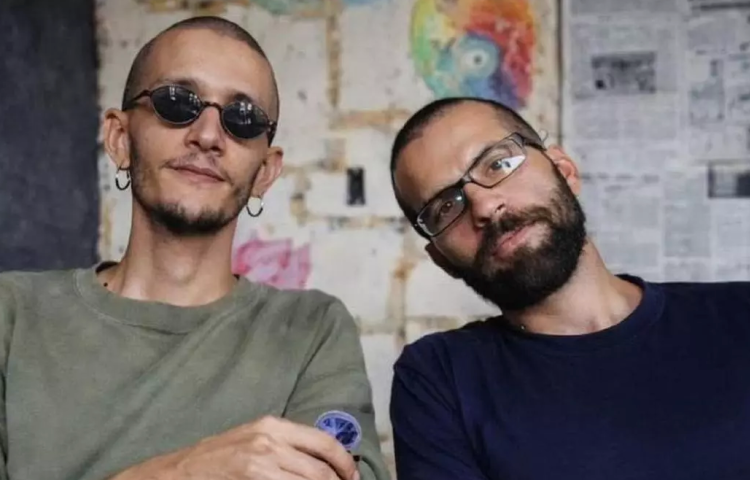
CPJ: Cuba’s detention of content producers stifles access to information
Miami, February 10, 2026 — The Committee to Protect Journalists condemns the detention of two content producers with El 4tico, a social media outlet in eastern Cuba, and calls on authorities to immediately release them and allow the free flow of information on the island. Ernesto Ricardo Medina and Kamil Zayas Pérez were detained by…

Critical news websites blocked during Cuba referendum vote
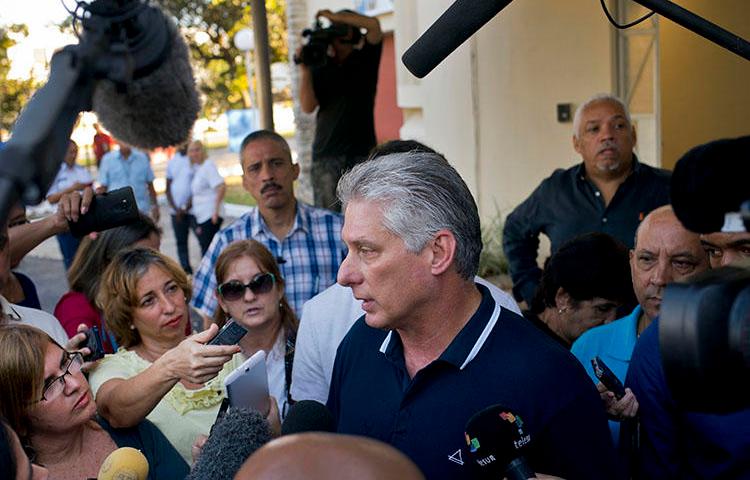
Miami, February 25, 2019– Cuban authorities should immediately ensure citizens have access to news websites, the Committee to Protect Journalists said today. Several critical news sites were blocked in the country yesterday, as Cuba held a national referendum on proposed changes to its constitution, news sites reported.
Connecting Cuba
Staying connected in an offline world By Alexandra Ellerbeck For Elaine Díaz Rodríguez, founder of Periodismo de Barrio, internet access in poorly connected Cuba comes at a premium. “Our reporters have less than 10 hours a month of internet access,” she told CPJ during the Latin American Studies Association conference in New York, where she…
Connecting Cuba
Foreword: Contemplating a free press in Cuba By Ernesto Londoño A free press, at its best, is the conscience of a nation, an indispensable arbiter of truth and righteousness. When it is doing its job well, a free press unearths unpleasant truths, holds people in power accountable and champions marginalized communities.
Connecting Cuba
Cuba’s evolving news agenda At the Argos Theatre in Havana, Yenys Laura Prieto Velazco purchased a ticket for Diez Millones, a popular play about a Cuban family torn apart by the ideological fanaticism of the Cuban revolution and by the father’s departure to the U.S. during the 1980 Mariel boatlift.

As US-Cuba relations thaw, what’s next for the island’s independent press?
“Our hope is that President Obama will meet journalists working for the alternative media, not just to cover his visit, but to start a dialogue,” said Elaine Díaz Rodríguez, director of Periodismo de Barrio (Neighborhood Journalism) a website focusing on climate change and the impact of natural disasters on local communities. Díaz, who last year…
Criminal Defamation Laws in The Caribbean
Contents Critics Are Not Criminals: Comparative Study of Criminal Defamation Laws in the Americas I. Antigua and Barbuda A. Criminal Laws Restricting Freedom of Expression Defamation remains a criminal offence in Antigua and Barbuda under the Libel and Slander Act, which dates to 1876 and was last updated in 1976. The Act, which governs both…

In Cuba, case for harassing press has collapsed
Throughout the years, the Cuban government has justified the imprisonment of independent journalists on charges that they were acting against the State’s sovereignty at the behest of the United States. During the so-called Black Spring in March 2003, when the government then led by President Fidel Castro launched a massive crackdown against dissidents while the…