abducted

1215 results

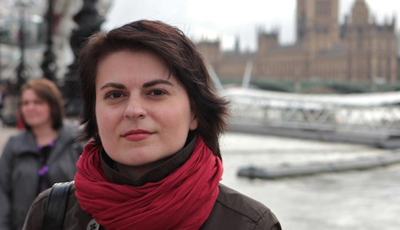
CPJ awardee Natalya Radina.

Attacks on the Press in 2011: Profiles in Freedom

How does one negotiate the choice to stay and report potentially dangerous news, rather than take a less risky assignment, leave the profession, or flee the country? The recipients of the 2011 International Press Freedom Awards explain. By Kristin Jones
Read More ›

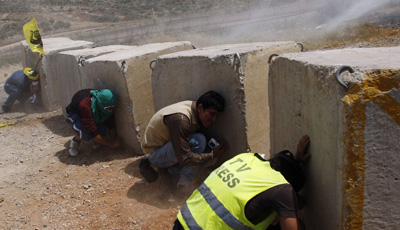
A journalist crouches behind a cement block during clashes between Israeli forces and Palestinian protesters in the West Bank. (Reuters/Mohamad Torokman)

Attacks on the Press in 2011: Evolution in Journalist Security

The danger of covering violent street protests has become a significant risk for journalists, alongside combat and targeted killings. Sexual assault, organized crime, and digital vulnerability are also hazards. The security industry is struggling to keep up. By Frank Smyth

Read More ›

Attacks on the Press in 2011: Asia

Analyses and data track press conditions throughout the region. Bob Dietz describes efforts by Pakastani journalists to address widespread violence. Shawn Crispin details the faltering prosecution in the Maguindanao massacre. Madeline Earp examines the future of information control in China, and Monica Campbell recounts the plight of Afghan reporters for international media.
Read More ›

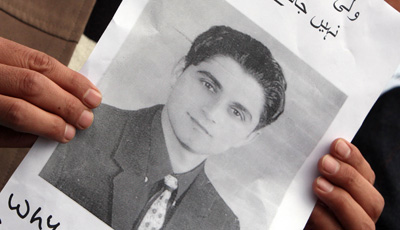
A demonstrator holds a poster with the photo of slain Pakistani journalist Wali Khan Babar and the question, 'Why?' (AP/Mohammad Sajjad)

Attacks on the Press in 2011: Pakistani Media Look Inward

As journalists continue to be targeted, the government of Asif Ali Zardari has shown itself unable and unwilling to stand up for a free press. Whatever solutions exist will have to be found by people in the profession. By Bob Dietz

Read More ›

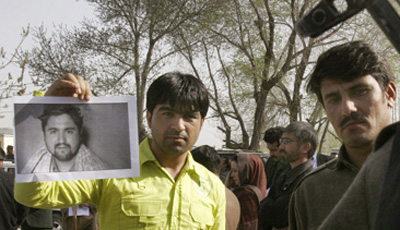
At a demonstration in Kabul, a photo of the slain Afghan journalist Ajmal Naqshbandi. (AP/Musadeq Sadeq)

Attacks on the Press in 2011: Fixers on Front Lines

Local “fixers” have been essential to foreign reporters covering the Afghan war. While they often do the same work as their international counterparts, they run greater risk and face a far more uncertain future. By Monica Campbell

Read More ›

Attacks on the Press in 2011: Pakistani Journalist Speaks Up

Pakistani reporter Umar Cheema speaks out on the climate of impunity that led to his being abducted and brutally assaulted for his work. (4:15) Read the Attacks on the Press 2011 country profile on Pakistan.

Read More ›

Attacks on the Press in 2011: Impunity Still the Norm in Russia

Russian investigators have adopted a more serious tone when discussing unsolved journalist murders, but officials still lack the will to apprehend masterminds of the killings. The lack of convictions takes a serious toll on investigative journalism. By Nina Ognianova

Read More ›

Attacks on the Press in 2011: Iran’s Vast Diaspora

Journalists who have fled Iran to avoid prison face a tense and lengthy process toward resettlement, an uncertain financial and professional future, and most of all, fear that the Iranian government will catch up with them. By María Salazar-Ferro and Sheryl A. Mendez >> فارسي

Read More ›

Attacks on the Press in 2011: Journalists In Prison

Iran is the world’s worst jailer of the press. Detentions rise in the Middle East and North Africa.

Read More ›

Attacks on the Press in 2011: Journalists Killed

Murders decline, but fatalities rise during coverage of protests. Photographers and freelancers pay an especially high price. Pakistan is the world’s most dangerous nation.

Read More ›