Balancing Act
EU as a global actor On World Press Freedom Day (May 3), the highest EU officials line up to deliver their message of support for a free press. But press freedom and human rights activists who spoke with CPJ said that when it comes to meaningful diplomacy in repressive countries that are important trade partners…
Balancing Act
Reaction to Russia is too little too late Russia demonstrates the reality of EU human rights and press freedom diplomacy. In the early 2000s, while focused on economic and geopolitical priorities, the EU largely turned a blind eye to Putin’s rising authoritarianism and, with the exception of the European Parliament, did not react strongly to…
As world leaders take to UNGA stage, CPJ highlights countries of concern
Press freedom records of Egypt, Russia, Iran, China, Nigeria, Mexico, Ecuador New York, September 25, 2015–Each year, the world’s leaders are invited to New York for the United Nations General Assembly, where they are given a platform to speak freely and openly. But while the leaders of many countries enjoy this privilege, their journalists back…
Turkey jails reporter, charges him with anti-state activities
Istanbul, September 23, 2015–The Committee to Protect Journalists condemns the arrest and subversion charges filed against Gültekin Avcı, a columnist for the independent daily Bugün, and calls on Turkish authorities to drop the charges and release him immediately.
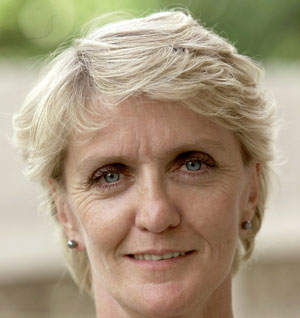
Kathy Gannon
Kathy Gannon is a special regional correspondent for Pakistan and Afghanistan for The Associated Press. She has covered the region for the AP as a correspondent and bureau chief since 1988, a period that spans the withdrawal of Russian soldiers from Afghanistan, the assassination of Pakistani Prime Minister Benazir Bhutto, the Afghan civil war between…
Audio: James Foley on being a freelance war correspondent
In April 2012, Nicole Schilit, research associate in CPJ’s Journalist Assistance program, interviewed James Foley about his experience working as a freelance journalist in conflict zones. The interview took place in New York between reporting trips to Libya and Syria. Foley was murdered in Syria in August 2014.
News from the Committee to Protect Journalists, July 2015
CPJ calls Kenya on its “Broken Promises” As U.S. President Barack Obama headed to Kenya and Ethiopia in July, CPJ launched a special report in Nairobi on the climate for press freedom in Kenya. The report, called “Broken promises: How Kenya is failing to uphold its commitment to a free press,” found that a combination…
Jordanian court orders arrest of journalist over terrorism reporting
New York, July 9, 2015–A Jordanian journalist has been given 15 days in jail after being accused of breaking a recent ban on coverage of a terror plot, according to the journalist’s employer and other news reports. The Committee to Protect Journalists condemns the imprisonment and calls on authorities to release Ghazi Mrayat immediately.
Syria tops survey of journalists fleeing into exile
CPJ releases annual report on exiled journalists to commemorate World Refugee Day New York, June 17, 2015–The Committee to Protect Journalists has helped more journalists fleeing into exile from Syria than any other country in the past five years, according to a report released today. Over that period, Syria and Ethiopia surpassed Iran as the…