Challenged in China
2. Although not explicit, legal threats to journalists persist By Madeline Earp Even as China’s virtual landscape buzzes with criticism of social injustices, government policy, and propaganda directives, independent journalism and expression are still perceived by the Communist Party as explicit political threats. Authorities also exploit vague legal language to prosecute dissenters based on published…
Challenged in China
3. Made in China: Models for media and censorship By Danny O’Brien and Madeline Earp As the founding editor, in 2005, of the Liberian online investigative news site FrontPage Africa, Rodney Sieh has fought off lawsuits, imprisonment, and death threats. In the face of such pressures, he has still managed to expand the website into…
China’s new leadership faces censorship challenge
New York, March 11, 2013–China’s new leaders will face unprecedented challenges to controlling the media, even as journalists’ efforts to test the system continue to carry great risk, according to a new report by the Committee to Protect Journalists. CPJ’s report, “Challenged in China: The shifting dynamics of censorship and control,” finds that cracks in…

Journalists relieved, wary amid Kenyan elections
Journalists could be seen rushing from polling station to polling station Monday to see long queues of determined Kenyan voters in what was apparently a largely peaceful election, according to the Deputy Director of Kenya’s statutory media council, Victor Bwire. But leading up to the vote, many journalists worked in a climate of fear; and…
Pakistani reporter gunned down in tribal area
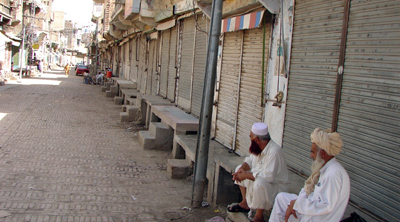
New York, February 27, 2013–Pakistani authorities should immediately launch an investigation into the targeted murder of a veteran journalist who was shot dead today in the Federally Administered Tribal Areas, the Committee to Protect Journalists said. Malik Mumtaz had worked for several mainstream news outlets and had recently been elected president of the regional press…
Attacks and censorship erode press freedom worldwide
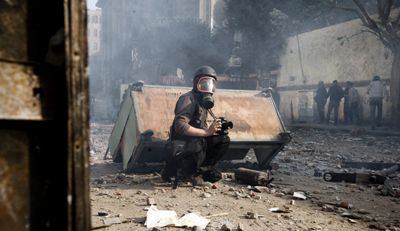
New York, February 14, 2013–An unprecedented rise in the number of journalists killed and imprisoned in the past year coupled with restrictive legislation and state censorship is jeopardizing independent reporting in many countries, according to Attacks on the Press, a yearly assessment of global press freedom released today by the Committee to Protect Journalists.
Attacks on the Press in 2012
A news crew crossing into Syria walks for three nights, legs aching and lungs burning, edging past army checkpoints to cover a war the government wants to obscure. A Liberian reporter dares to expose a dangerous ritual even as menacing strangers deliver death threats to her office. In central Mexico, a drug cartel’s vicious takeover…