
Mission Journal: In Zambia, Sata never fulfilled promise of greater transparency
“We’ll see for ourselves on Friday,” was a refrain on the lips of most journalists I met in Lusaka in mid-September, as they speculated on the health of President Michael Sata ahead of their country’s opening of parliament, where the leader was due to speak.
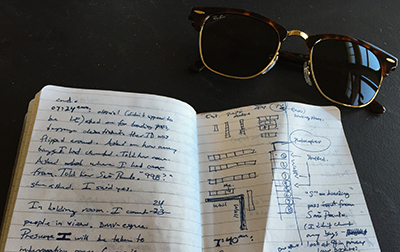
For journalists coming into US, policies border on the absurd
I was only supposed to be in Miami for the briefest of layovers. I was en route to San Francisco from São Paulo in Brazil, where I had participated in the NETMundial Conference on Internet governance along with hundreds of members of civil society, technology executives, journalists, and government officials. It was going to be…
The Road to Justice
1. What Does Impunity Mean? In 1981, the year CPJ was founded, Argentina was enmeshed in the so-called Dirty War, in which dozens of journalists were disappeared. Most were never seen again. To this day, no one has systematically documented the media murders that took place, and no one knows precisely how many journalists perished.…
The Road to Justice
2. Measuring Progress Against Stubborn Reality In November 2013, the United Nations General Assembly put the issue of impunity squarely on the global agenda. The Resolution on Safety of Journalists and the Issue of Impunity, adopted by consensus, describes the absence of justice for victims as “one of the main challenges to strengthening the protection…
The Road to Justice
Sidebar: A New Start on Old Murders in Serbia Slavko Curuvija was killed 15 years ago, but Veran Matić, a veteran journalist of Serbia’s independent media, never forgot. Curuvija, an influential independent newspaper owner in what was then Yugoslavia, was shot in the back on April 11, 1999, by two men outside his apartment building.…
The Road to Justice
Appendix I At least 370 journalists have been murdered in direct connection to their work from the beginning of 2004 through 2013, according to CPJ research. In 333 of the cases, no one has been convicted. In 28 cases, some suspects have been sentenced, or killed in the course of apprehension, but others believed to…
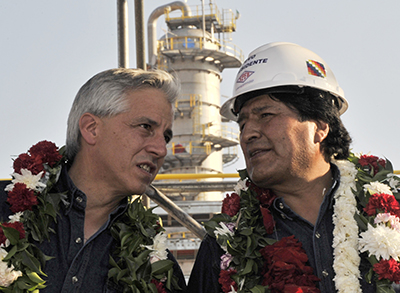
How Bolivia’s vice president used media to control his image–and that of the government
Álvaro García Linera’s savvy use of the media helped him make the leap from Marxist guerrilla to vice president of Bolivia. But critics contend that as the country’s second-highest elected official, García Linera is now using his substantial power to manipulate and control the Bolivian news media.
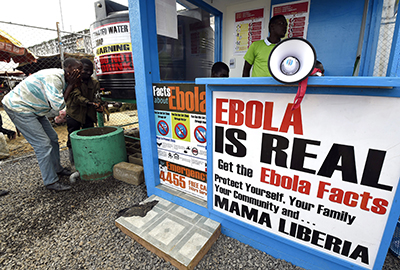
In Ebola-stricken countries, authorities and journalists should work together
The Ebola crisis in West Africa is unrelenting, and journalists on the frontline of reporting on the virus are caught between authorities wanting to control how the outbreak is reported, and falling victim to the disease themselves.
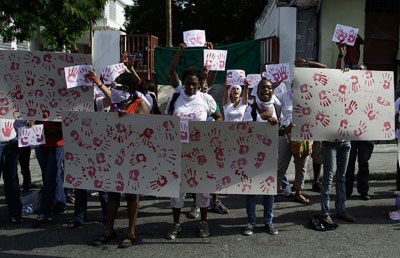
Duvalier’s death must not mean end of proceedings against dictatorship
The sudden death on October 4 of former dictator Jean-Claude Duvalier and the initial information that he would be honored with a state funeral stunned the victims who had filed suit against Duvalier for massive violations of human rights during his regime. It also created an unexpected ripple effect in the press and the social…