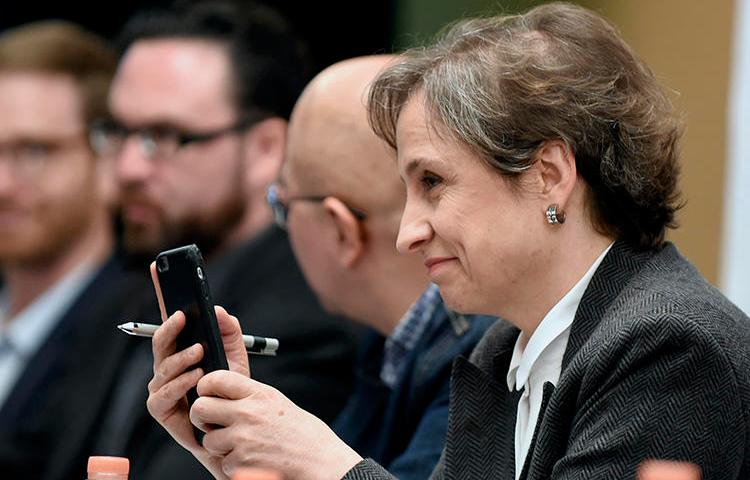
CPJ Safety Advisory: Pegasus spyware used to target journalists, civil society
[EDITOR’S NOTE: See CPJ’s updated safety advisory here https://cpj.org/2019/11/cpj-safety-advisory-journalist-targets-of-pegasus-.php.] In a report published on September 18, Citizen Lab said it had detected Pegasus, a spyware created for mobile devices, in over 45 countries. Pegasus, which transforms a cellphone into a mobile surveillance station, could have been deployed against a range of journalists and civil society…
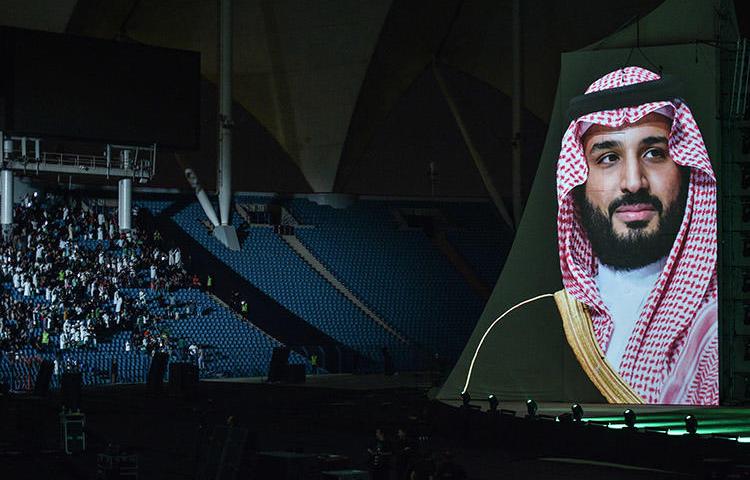
‘New’ Saudi Arabia ushers in even more repressive climate for journalists
Marwan al-Mureisi knew the rules: even in Crown Prince Mohammed bin Salman’s “new” Saudi Arabia, issues touching on politics, religion, or the royal family were out of bounds. So in his reporting for the privately owned website Sabq and other outlets, al-Mureisi wrote about science, technology, and the need to embrace creativity and innovation–all hallmarks…

Undiscoverable: How Al-Jazeera’s Snapchat channel disappeared from three Gulf nations
Search for “Al-Jazeera” on Snapchat, and the first result that comes up is a ubiquitous publisher channel in the app’s famed vertical layout. That is, unless you are in Saudi Arabia, the United Arab Emirates (UAE), or Bahrain. Users in these counties are instead offered a list of stores and restaurants that bear a similar…

Saudi blogger Eman Al Nafjan detained
New York, May 22, 2018–The Committee to Protect Journalists today expressed concern over the detention of Eman Al Nafjan, a Saudi blogger who writes about women’s issues, and urges the country’s authorities to confirm her whereabouts and release her immediately.
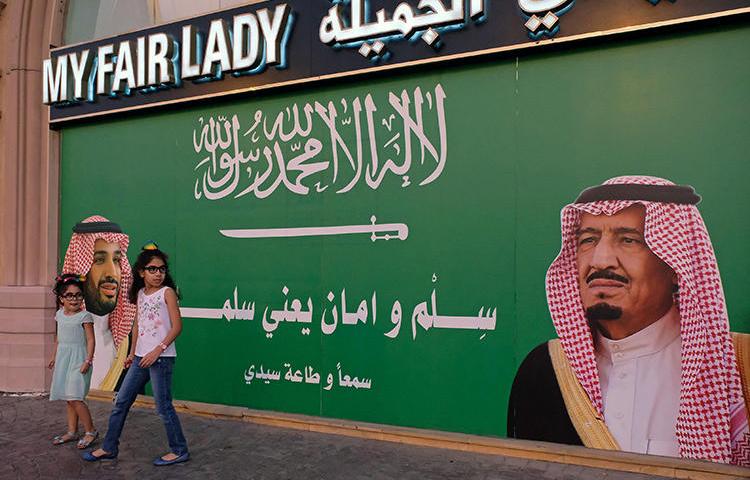
Saudi journalist jailed for five years for insulting royal court
New York, February 8, 2018–A specialized criminal court in Saudi Arabia sentenced al-Watan columnist Saleh al-Shehi to five years in prison for “insulting the royal court,” and imposed a five-year travel ban that will go into effect on his release, according to a report published today in the privately-owned Saudi newspaper Okaz. Saudi security forces…
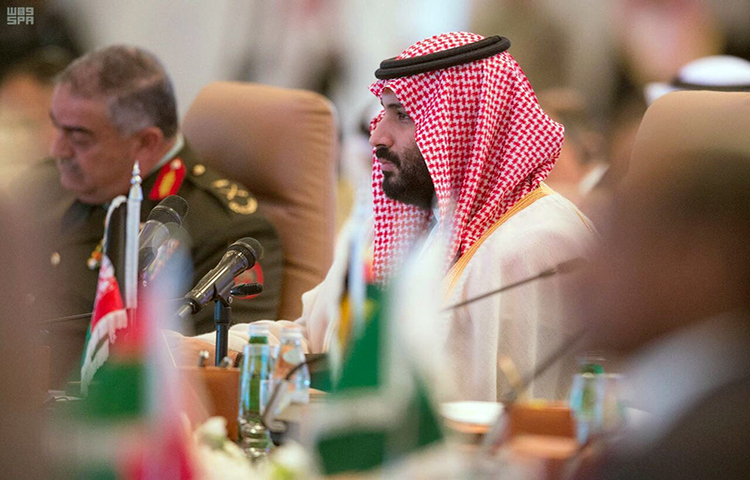
Saudi Arabian authorities arrest local journalist following critical commentary
New York, January 5, 2018 — Saudi Arabian authorities must immediately release Saleh al-Shehi from detention and stop arresting journalists who criticize the country’s government, the Committee to Protect Journalists said today. Saudi security forces arrested al-Shehi, a columnist for the Saudi Arabian daily al-Watan, on January 3, according to Washington Post columnist Jamal Khashoggi…
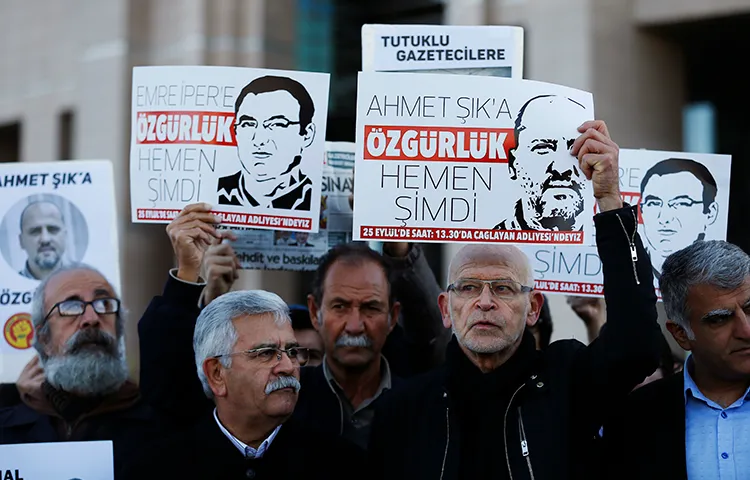
Record number of journalists jailed as Turkey, China, Egypt pay scant price for repression
For the second year in a row, the number of journalists imprisoned for their work hit a historical high, as the U.S. and other Western powers failed to pressure the world’s worst jailers–Turkey, China, and Egypt–into improving the bleak climate for press freedom. A CPJ special report by Elana Beiser
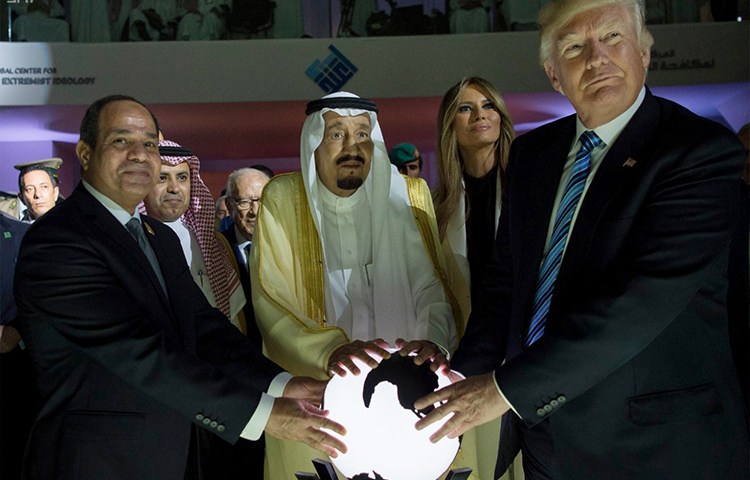
Calls to shutter Qatari media show contempt for press freedom
The Committee to Protect Journalists calls on the leaders of Saudi Arabia, Bahrain, the United Arab Emirates, and Egypt to drop demands that Qatari-funded media be closed as a condition for the lifting of the partial blockade they have imposed on Qatar.
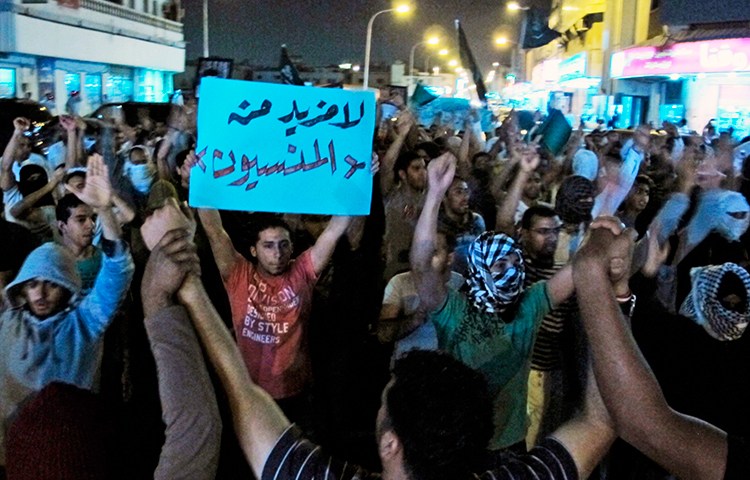
Saudi journalist imprisoned for ‘slandering ruler,’ communicating with TV stations
The Specialized Court of Appeals in Riyadh in April 2017 upheld a Riyadh criminal court’s conviction of Saudi journalist Nadhir al-Majid on charges of “slandering the ruler” and sending electronic messages to TV channels and human rights organizations, according to Agence France-Presse and the Gulf Center for Human Rights. Al-Majid was initially convicted on January…
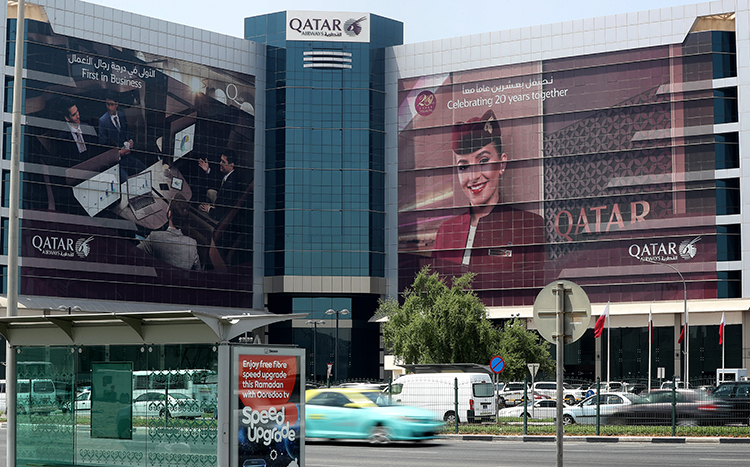
Amid Gulf tensions, press is used as a political pawn
Today Bahrain became the latest Gulf nation to put pressure on news outlets amid political tension, when its Interior Ministry announced that anyone publishing support or sympathy for Qatar faces up to five years in prison. The announcement came the day after the United Arab Emirates used the threat of prison to demarcate how journalists…